Executive Summary: Yes, Larry Wheels has openly admitted to extensive use of anabolic steroids and performance-enhancing drugs (PEDs) starting at age 17. For nearly a decade, his protocols included extreme dosages of testosterone, Anadrol, and Trenbolone to achieve unprecedented powerlifting world records. However, following a severe back injury and growing concerns over cardiovascular health and rhabdomyolysis, Wheels ceased his heavy cycles in 2022. He has since transitioned to a doctor-prescribed Testosterone Replacement Therapy (TRT) protocol of approximately 175mg per week to treat permanent hypogonadism caused by years of profound natural testosterone suppression.
When an athlete deadlifts over 900 lbs and breaks multiple world records, questions about performance-enhancing drugs are inevitable. Powerlifting phenom Larry Wheels has never been one to dodge the conversation. From heavy blasts of testosterone and Anadrol starting at age 17 to his dramatic shift toward health and TRT, Wheels has documented the highs and lows of chemical enhancement for the world to see.
In the high-stakes world of elite powerlifting, transparency is rare. Many athletes operate under a veil of secrecy regarding their protocols, fearing lost sponsorships or public backlash. Larry Wheels, however, has consistently provided a factual perspective on his own usage, detailing the clinical timelines of his cycles, the physical toll they took, and his ultimate realization that extreme performance often comes at a severe biological cost. This article meticulously breaks down his admitted substance use history, his physiological transition to a therapeutic testosterone baseline, and the medical implications of his journey.
The Early Years: When Did Larry Wheels Start Using Steroids?
Starting PEDs at Age 17
The timeline of Larry Wheels’ exposure to anabolic-androgenic steroids (AAS) began much earlier than most. Frustrated by the limits of his natural progression and driven by an intense desire to be the strongest man in the world, he initiated his first cycle at just 17 years old. From a medical standpoint, introducing exogenous androgens during adolescence is highly precarious, as it risks premature epiphyseal plate closure (stunting growth) and long-term disruption of the hypothalamic-pituitary-gonadal (HPG) axis. Despite these clinical risks, Wheels pursued enhancement aggressively. His early stacks were rudimentary but highly effective, dramatically accelerating his muscular hypertrophy and central nervous system (CNS) force output.
Breaking Personal Bests and World Records
By his early twenties, Wheels was setting records that defied conventional biomechanical expectations. He totaled over 2,275 lbs across the squat, bench press, and deadlift in competition. His rapid ascent was fueled by a combination of elite genetic response, ferocious training intensity, and continuous exposure to anabolic agents. During this era, his body mass expanded dramatically, and his connective tissues adapted to bear extreme mechanical loads. Yet, this superhuman output required escalating pharmacological support. He was not simply dabbling; he was pushing the absolute limits of human physiology, requiring continuous hormonal saturation to recover from multi-hour, max-effort training sessions.
Larry Wheels’ ‘Bread and Butter’ Steroid Stack
High-Dose Testosterone (Up to 1,200mg+)
In various candid interviews, Wheels has outlined the foundation of his peak powerlifting cycles. The cornerstone was exogenous testosterone. While a standard clinical TRT dose ranges from 100mg to 200mg per week, Wheels admitted to utilizing up to 1,200mg per week. At these supraphysiological dosages, testosterone induces profound protein synthesis and nitrogen retention. However, it also significantly increases the risk of polycythemia (elevated red blood cell count) and left ventricular hypertrophy. Such massive doses required constant monitoring to manage estrogenic conversion via aromatization, often necessitating the concurrent use of aromatase inhibitors.
Anadrol and Superdrol for Peak Strength
To maximize raw torque and acute strength leading into powerlifting meets, Wheels leaned heavily on oral androgens—most notably Anadrol (Oxymetholone) and Superdrol (Methasterone). Anadrol is notorious in clinical circles for its profound impact on erythropoiesis (red blood cell production) and its sheer strength-promoting capabilities. Dosages of 100mg to 150mg per day were utilized in his final peaking phases. While effective for breaking through strength plateaus, these C17-alpha alkylated compounds exert immense hepatotoxic stress on the liver and severely distort lipid profiles, crashing high-density lipoprotein (HDL) while elevating low-density lipoprotein (LDL).
Trenbolone and Dianabol Experiments
Wheels has also spoken about experimenting with other potent compounds like Trenbolone and Dianabol. Trenbolone, a 19-nortestosterone derivative originally designed for veterinary use, is highly valued for its nutrient-partitioning effects and its lack of estrogenic conversion. However, Wheels eventually minimized its use due to the harsh psychological side effects and severe cardiovascular strain it induced. Dianabol, a classic mass-builder, was utilized for rapid glycogen retention and intra-muscular fluid accumulation, which provided the necessary leverage for heavy presses and squats.
| Compound | Estimated Peak Weekly/Daily Dosage | Primary Function in Stack | Clinical Risk Factors |
|---|---|---|---|
| Testosterone Enanthate/Cypionate | 1,000mg – 1,200mg / week | Base androgen, systemic recovery, mass accumulation | Polycythemia, left ventricular hypertrophy, HPG axis shutdown |
| Anadrol (Oxymetholone) | 100mg – 150mg / day | Acute strength peaking, increased aggression | Severe hepatotoxicity, blood pressure spikes, lipid disruption |
| Trenbolone Acetate | Variable (Often avoided later) | Nutrient partitioning, neural drive | Neurological strain, cardiovascular toxicity, sleep disruption |
| Superdrol (Methasterone) | 20mg – 40mg / day | Rapid strength augmentation pre-competition | Extreme liver toxicity, acute lethargy, kidney stress |
The Health Toll: Why Larry Quit Full Steroid Cycles
The Deadlift Injury and ‘Wake-Up Call’
The inflection point in Larry Wheels’ journey occurred in mid-2022. While preparing for a major heavy lifting milestone, he sustained a severe back injury during a massive deadlift. This mechanical failure served as a stark “wake-up call.” For years, his muscular strength had outpaced the structural integrity of his connective tissues and skeletal framework. The injury forced a mandatory period of rest, providing him the mental space to evaluate the trajectory of his health. He realized that continuing to add weight to the bar would inevitably lead to catastrophic, potentially irreversible injuries.
Rhabdomyolysis and Cardiovascular Testing
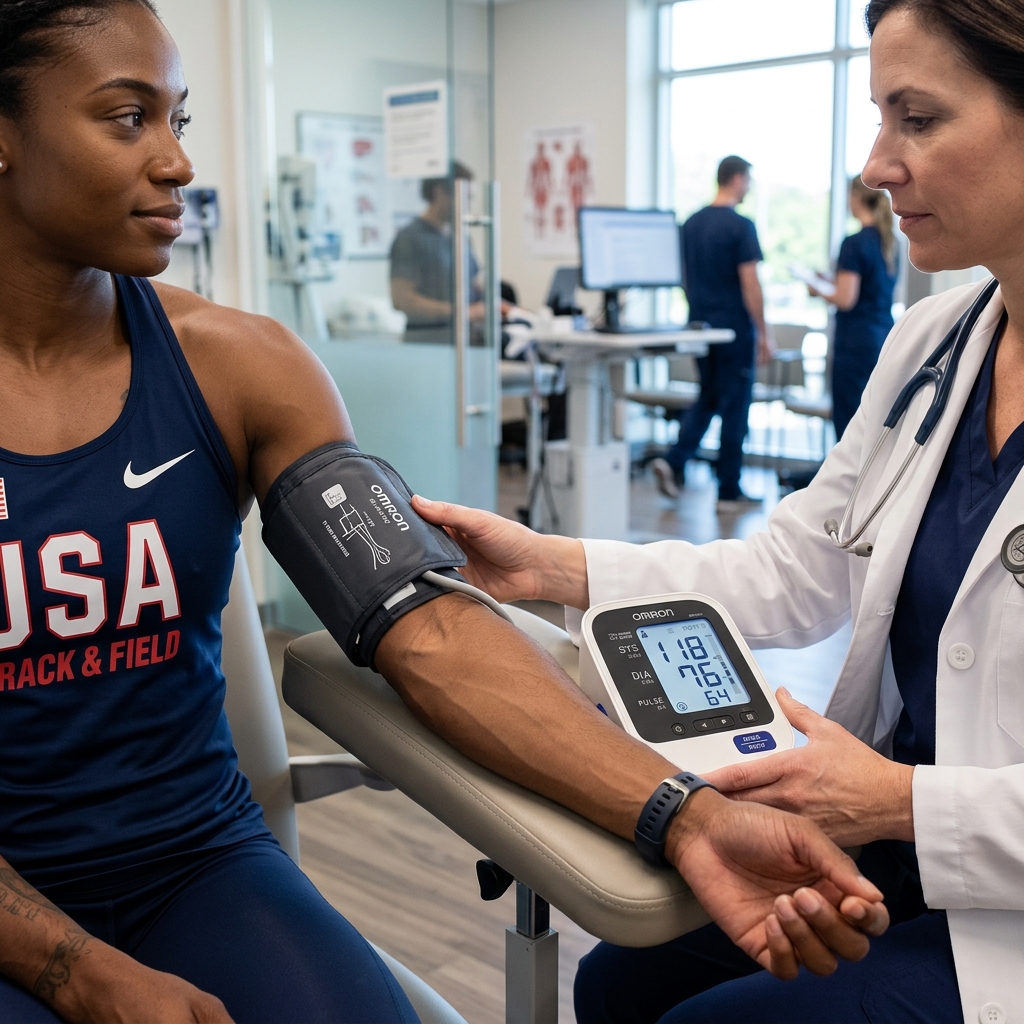
Beyond structural injuries, the systemic toll of extreme performance enhancement was mounting. Wheels has discussed concerns regarding rhabdomyolysis—a serious syndrome resulting from skeletal muscle breakdown, where muscle fibers release their contents (myoglobin) into the bloodstream, threatening kidney function. Furthermore, the sheer mass and drug dosages raised significant red flags for heart health. A deep dive into the Cardiovascular Risks of Testosterone Replacement Therapy and extreme steroid use reveals elevated risks for arrhythmias, myocardial infarctions, and vascular calcification. Understanding heart disease risk factors, Wheels sought comprehensive cardiovascular testing, including echocardiograms, to assess the damage incurred by nearly a decade of heavy androgens.
Cardiovascular Warning: The prolonged use of supraphysiological anabolic steroids, particularly oral hepatotoxic compounds, significantly alters lipid profiles and induces cardiac remodeling. Medical literature frequently documents an increased risk of non-fatal myocardial infarction following testosterone therapy when heavily abused or utilized without proper medical supervision.
The Transition to TRT (Testosterone Replacement Therapy)
Natural Testosterone Suppression
Having utilized high doses of exogenous androgens since his late teens, Wheels’ HPG axis was effectively dormant. The continuous influx of synthetic hormones signals the hypothalamus and pituitary gland to cease production of Luteinizing Hormone (LH) and Follicle-Stimulating Hormone (FSH). Consequently, his testes stopped producing endogenous testosterone. When deciding to stop his massive cycles, going completely “natural” was not a medically viable option. He would have faced profound, perhaps permanent, hypogonadism, resulting in severe depression, muscle wasting, bone density loss, and lethargy. The only rational clinical path was to establish a medically supervised baseline.
His Current 175mg/Week TRT Protocol
Today, Larry Wheels operates on a physician-monitored TRT protocol. He has transparently shared that his dosage is approximately 175mg of testosterone per week. This dosage is designed to keep his serum testosterone levels at the high end of the physiological reference range (typically 800-1000 ng/dL). As noted by various medical institutions discussing the benefits and risks of testosterone therapy, a carefully managed TRT protocol can restore metabolic health, stabilize mood, and preserve lean tissue without the exaggerated cardiovascular strain of a bodybuilder’s “blast.” Recent large-scale clinical trials, such as the Cardiovascular Safety of Testosterone-Replacement Therapy (TRAVERSE Trial), have reinforced that therapeutic testosterone—when kept within physiological parameters—does not inherently increase the incidence of major adverse cardiovascular events. The NIH confirms that clinical TRT does not increase heart risk for appropriately diagnosed hypogonadal men.
Benefits of Wheels’ TRT Transition
- Normalization of blood pressure and lipid profiles.
- Reduction in left ventricular strain and cardiac workload.
- Elimination of hepatotoxic oral steroids and kidney stress.
- Stable psychological profile without hormonal fluctuations.
- Sustainable, long-term approach to health and longevity.
Challenges of the Transition
- Noticeable reduction in absolute 1-rep max strength.
- Loss of sheer body mass and intracellular fluid volume.
- Psychological adjustment to no longer being the “biggest” in the room.
- Permanent reliance on exogenous testosterone injections.
Relapse and the Bodybuilding ‘Mistake’
The Temptation of Classic Physique
Despite his commitment to health, the allure of the competitive stage proved tempting. In 2023, Wheels decided to pivot from powerlifting to competitive bodybuilding, aiming for the Classic Physique division. To attain the necessary conditioning and dry, striated look required for the stage, he briefly escalated his pharmacology back into bodybuilding “prep” territory. This involved reintroducing compounds meant to strip water and preserve muscle mass in a deep caloric deficit.
Re-committing to Long-Term Health and Longevity
Following the show, Wheels displayed his trademark honesty. He publicly stated that the bodybuilding prep was a “mistake” and acknowledged that relapsing into heavy PED use contradicted his health goals. The extreme restriction and chemical demands of contest prep severely impacted his well-being. He quickly ceased the advanced cycle, returning to his baseline 175mg TRT protocol, and reaffirmed his dedication to longevity over transient aesthetic trophies.
Does Larry Wheels Use Steroids? The 10-Year Heavy Cycle History
Powerlifting sensation and strength phenom Larry Wheels has built one of the most remarkable physiques and strength resumes on the planet. For years, fans constantly asked: does larry wheels use steroids? In August 2022, Larry made global fitness headlines by releasing an unprecedented, deeply candid video detailing his ten-year history of intense multi-compound anabolic steroid usage.
Wheels revealed that beginning at age 17, he continuously utilized heavy cycles incorporating high-dose Testosterone, Trenbolone, Anadrol, Superdrol, and Growth Hormone to push past world records—such as achieving a 2,275-pound powerlifting total (810 lb squat, 610 lb bench press, 855 lb deadlift) without wraps.
The TRT Transition: Scaling Down to 175mg for Health & Longevity
- Health Wake-Up Call: After sustaining acute muscle tears (including a severe bicep tear) and witnessing cardiac complications among peers, Wheels decided to eliminate all extreme underground compounds.
- Clinical TRT Protocol: Larry transitioned to medically managed Testosterone Replacement Therapy at approximately 175 mg per week, using his platform to document his health, blood panels, and strength maintenance.
- Sustaining World-Class Strength: Remarkably, even on clinical TRT, Wheels demonstrated that decades of structural adaptation allowed him to bench press 500+ pounds and shoulder press 140-pound dumbbells effortlessly while maintaining excellent cardiovascular markers.
The Reality of Steroids in Powerlifting
Extreme Dosages vs. Genetic Potential
Larry Wheels’ journey underscores a critical truth about elite strength sports: chemical enhancement is prevalent, but it is merely an amplifier of extreme genetic potential. Even if an average individual replicated Wheels’ peak 1,200mg testosterone and 150mg Anadrol stack perfectly, they would not deadlift 900 lbs. His skeletal structure, fast-twitch muscle fiber density, and neurological efficiency are statistical anomalies. Steroids facilitated his recovery and accelerated his hypertrophy, but they did not create his foundational capability.
Why Transparency Matters for the Next Generation
In an industry often clouded by false natural claims and deceptive marketing, Larry Wheels stands out for his factual documentation. By revealing the exact dosages, the ensuing side effects, and his medical transition to TRT, he provides a cautionary yet educational blueprint. He has dispelled the myth of consequence-free steroid use, demonstrating that even world champions must eventually answer to clinical reality and prioritize their cardiovascular health.
Get our latest guides, news, and insights highlighted in your Google Search & AI Overviews.