Joe Rogan’s impressive physique at over 50 years old has sparked endless speculation. While many assume he’s using anabolic steroids, the truth is more nuanced. Rogan has been incredibly transparent about his biohacking journey, relying on a strict regimen of Testosterone Replacement Therapy (TRT), Human Growth Hormone (HGH), and specialized peptides. Let’s dive deep into his actual protocol and separate internet rumors from medical reality.
Executive Summary
The core question of whether Joe Rogan uses “steroids” requires defining the term. Rogan does not abuse supraphysiological doses of anabolic-androgenic steroids (AAS) typically associated with professional bodybuilding. Instead, he follows a medically supervised longevity and optimization protocol. This includes physiological Testosterone Replacement Therapy (TRT) to manage age-related hormonal decline, low-dose Human Growth Hormone (HGH) for recovery, and targeted peptides (like BPC-157 and Ipamorelin) for tissue repair. His regimen is deeply integrated with a rigorous diet, intense exercise routine, and clinical monitoring.
Is Joe Rogan on Steroids?
The Difference Between TRT and Anabolic Steroids
To accurately address the persistent rumors surrounding Joe Rogan’s physique, it is critical to differentiate between medical hormone replacement and anabolic steroid abuse. The term “steroids” colloquially refers to the illicit use of anabolic-androgenic steroids to achieve muscle growth far beyond natural human limits. This practice involves taking multiple compounds—often concurrently, in a “stack”—at supraphysiological doses, which heavily suppresses the endocrine system and carries severe cardiovascular and hepatic risks.
Conversely, Testosterone Replacement Therapy (TRT) is a legitimate, clinically prescribed treatment for hypogonadism or age-related androgen deficiency. The goal of TRT is not to push testosterone levels into the stratosphere, but rather to restore them to an optimal, healthy physiological range (typically between 600 to 900 ng/dL in blood serum). Rogan’s use of exogenous testosterone falls firmly into the category of TRT. He is replacing what his body no longer produces efficiently due to aging, bringing his hormone profile back to that of a healthy man in his late twenties or early thirties.
Why Joe Rogan Started Hormone Therapy
Like millions of men, Joe Rogan experienced the natural, gradual decline of testosterone production that typically begins after age 30. This condition, often termed andropause or late-onset hypogonadism, manifests in several distinct ways. Symptoms commonly include persistent fatigue, a reduction in lean muscle mass, increased body fat, brain fog, and a noticeable drop in overall vitality and recovery capacity.
Rogan has spoken openly on The Joe Rogan Experience about feeling a sharp decline in his energy levels and physical recovery as he aged. Unwilling to accept this deterioration as an unavoidable consequence of getting older, he sought medical consultation. Comprehensive blood panels revealed his natural testosterone levels were sub-optimal. Understanding diagnosing and treating hypogonadism involves careful biochemical evaluation, Rogan elected to begin a physician-monitored hormone optimization protocol to regain his physical and mental edge.
Joe Rogan’s TRT Protocol Explained
Dosages and Injection Frequency
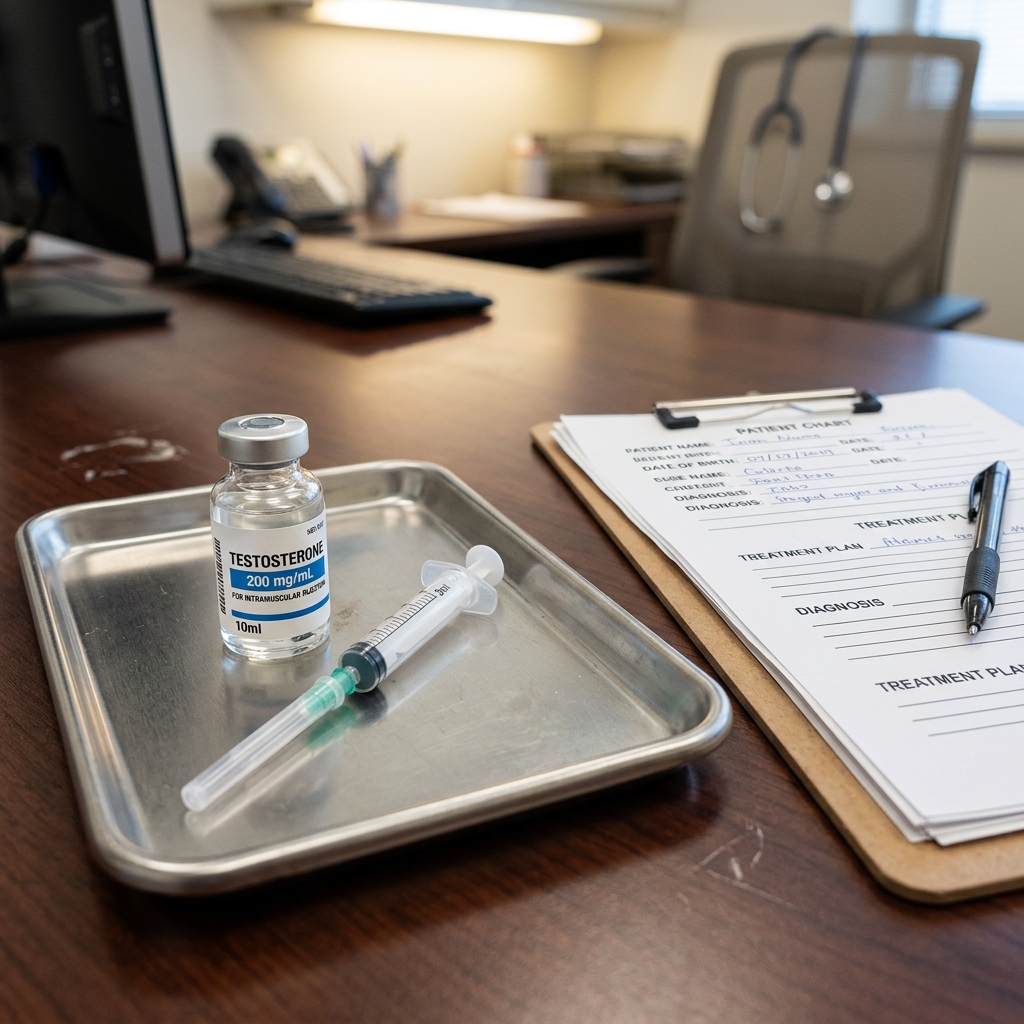
In the early days of his hormone therapy, Joe Rogan experimented with transdermal testosterone creams. While non-invasive, creams can yield inconsistent absorption rates depending on skin type, sweating, and application site, leading to fluctuating hormone levels. Seeking more stable pharmacokinetics, he eventually transitioned to injectable testosterone.
Currently, Rogan’s protocol focuses on frequent micro-dosing. Rather than taking one massive injection every two weeks—a dated medical practice that causes extreme peaks and valleys in serum testosterone—he injects smaller doses every three days or twice weekly. This administration schedule closely mimics the body’s natural pulsatile release of testosterone, minimizing the aromatization process (where excess testosterone is converted into estrogen) and providing a steady, reliable stream of energy and hormonal stability. This methodical approach is the gold standard in modern TRT management.
Medical Supervision vs. Abuse
The dividing line between optimizing health and endangering it lies in medical supervision. Rogan does not blindly self-administer hormones. His TRT protocol is continually guided by specialized endocrinologists and anti-aging physicians. He undergoes frequent comprehensive blood work to monitor vital biomarkers.
These blood tests track not only total and free testosterone but also estradiol (estrogen), hematocrit (red blood cell count), lipid profiles (cholesterol), and prostate-specific antigen (PSA). Exogenous testosterone can stimulate erythropoiesis, thickening the blood and potentially increasing the risk of thrombosis if left unchecked. By maintaining strict clinical oversight, Rogan’s doctors can adjust his dosages to mitigate these risks, a safety measure entirely absent in recreational steroid abuse.
How TRT Impacts His Physique
At over 50 years old, Joe Rogan carries a dense, muscular frame that defies the typical aging process. TRT plays a foundational role in this preservation of lean mass. Testosterone binds to androgen receptors in muscle tissue, promoting protein synthesis and nitrogen retention. This allows the body to efficiently utilize dietary protein to repair and build muscle fibers torn during strenuous exercise.
Furthermore, optimal testosterone levels act as a potent anti-catabolic agent. As men age, the ratio of testosterone to cortisol often skews unfavorably, leading to muscle wasting. TRT shifts this balance back to an anabolic state. However, it is vital to emphasize that TRT is not a magic serum. The hormone merely provides the biochemical environment necessary for muscle growth; the actual hypertrophy is the direct result of Rogan’s intense physical training.
Human Growth Hormone (HGH) and Peptides
Joe Rogan’s Use of HGH for Anti-Aging
Alongside testosterone, Joe Rogan is a well-documented proponent of Human Growth Hormone (HGH). Secreted naturally by the pituitary gland, HGH is paramount for cellular regeneration, tissue repair, and metabolic regulation. Like testosterone, endogenous HGH production plummets as we age.
Rogan utilizes exogenous HGH at a highly conservative dose, reportedly around 1 International Unit (IU) per day. This is considered a therapeutic, anti-aging dosage. In contrast, professional bodybuilders might use upwards of 10 to 20 IUs daily to force excessive cellular hyperplasia. At 1 IU, the goal is not monstrous muscle growth, but rather the acceleration of tissue repair, improved sleep architecture, enhanced fat oxidation, and the general slowing of biological aging. The clinical perspective on growth hormone and aging supports its efficacy in reversing age-related body composition changes, provided it is managed carefully.
Peptides: BPC-157 and Ipamorelin
Beyond traditional hormones, Rogan’s biohacking protocol incorporates the cutting-edge science of peptide therapy. Peptides are short chains of amino acids that act as highly specific signaling molecules within the body. Two prominent peptides in his regimen are BPC-157 and Ipamorelin.
BPC-157 (Body Protection Compound 157) is a synthetic peptide derived from a protective protein found in the human stomach. It is highly regarded in sports medicine for its rapid regenerative properties. BPC-157 accelerates the healing of tendons, ligaments, and muscle tissue by promoting angiogenesis (the formation of new blood vessels), dramatically reducing recovery timelines from severe musculoskeletal injuries.
Ipamorelin is a growth hormone secretagogue. Instead of introducing exogenous HGH directly into the system, Ipamorelin stimulates the pituitary gland to release more of the body’s own natural growth hormone in a pulsatile manner. This approach carries fewer side effects than direct HGH administration and preserves the body’s natural feedback loops.
Recovery and Injury Prevention
For a lifelong martial artist and avid fitness enthusiast like Rogan, chronic joint pain and acute injuries are persistent threats. His use of HGH and peptides is primarily engineered around trauma recovery and injury prevention. Martial arts training places immense stress on the connective tissues. By synergistically combining TRT, HGH, and targeted peptides like BPC-157, Rogan maintains an accelerated rate of recovery that allows him to train with the volume and intensity of an athlete half his age without succumbing to repetitive strain injuries.
The Medical Consensus on TRT and HGH
Benefits of TRT for Aging Men
The medical community’s stance on TRT has evolved significantly over the past two decades. When prescribed correctly for clinically diagnosed hypogonadism, the benefits are well-documented. Men undergoing supervised TRT frequently report profound improvements in libido, erectile function, spatial cognition, bone mineral density, and mood stabilization. Additionally, maintaining physiological testosterone levels has been linked to improved insulin sensitivity and a reduction in visceral fat. The authoritative overview on testosterone therapy: potential benefits and risks as you age highlights that while it is not a fountain of youth, it is an effective medical intervention for genuine deficiencies. Further analysis of the risks and benefits of testosterone replacement therapy in older men confirms its utility when properly monitored.
Risks and Side Effects of HGH
While HGH offers compelling regenerative benefits, it is not without substantial risk, particularly when used long-term or at higher doses. Excessive exogenous HGH can lead to edema (fluid retention), severe joint and muscle pain, and carpal tunnel syndrome. More critically, HGH influences carbohydrate metabolism and can induce insulin resistance, significantly elevating the risk of developing type 2 diabetes. There are also concerns regarding organomegaly (the unnatural enlargement of internal organs) and the potential acceleration of pre-existing cellular malignancies, as HGH promotes cellular growth indiscriminately.
Why Doctors Warn Against HGH for Anti-Aging
Mainstream endocrinology remains largely cautious regarding the off-label use of HGH strictly for anti-aging purposes. As noted in clinical evaluations asking human growth hormone (HGH): Does it slow aging?, the lack of comprehensive, long-term, double-blind placebo studies makes it difficult to definitively weigh the anti-aging benefits against the metabolic and oncological risks. Consequently, many physicians strictly reserve HGH prescriptions for severe, diagnosed growth hormone deficiency disorders rather than generalized vitality optimization.
| Aspect | Monitored TRT / HGH Protocol (Rogan’s Approach) | Unregulated Anabolic Steroid Abuse |
|---|---|---|
| Dosage Levels | Physiological replacement doses designed to match natural healthy baselines. | Supraphysiological doses, often 10x to 100x natural human production. |
| Medical Oversight | Strictly supervised with comprehensive, routine blood work and physician guidance. | Self-administered, underground lab sources, zero clinical monitoring. |
| Primary Goal | Longevity, tissue recovery, maintaining youthful vitality, and managing hypogonadism. | Extreme, rapid muscle hypertrophy and aggressive performance enhancement. |
| Risk Profile | Managed and mitigated risks (e.g., blood donation for high hematocrit). | High risk of severe cardiovascular events, liver toxicity, and endocrine collapse. |
Medical Disclaimer: The information provided regarding Testosterone Replacement Therapy (TRT), Human Growth Hormone (HGH), and peptide usage is strictly for educational and informational purposes. It does not constitute medical advice. Hormone therapies carry significant physiological risks and must only be undertaken under the direct supervision of a qualified, licensed healthcare provider following comprehensive clinical and biochemical evaluation.
Diet, Training, and Lifestyle Factors
Carnivore Diet and Fasting
Joe Rogan is adamant that exogenous hormones are practically useless without a foundation of rigorous dietary discipline. He frequently engages in strict iterations of the carnivore diet, focusing heavily on nutrient-dense ruminant meats like grass-fed beef, elk, and wild game. This diet eliminates inflammatory processed foods and provides the high-quality bioavailable protein and saturated fats necessary for cholesterol-based hormone synthesis. Coupled with the carnivore diet, Rogan utilizes intermittent fasting, typically compressing his eating window to allow his digestive system to rest and to naturally spike his endogenous growth hormone production during fasted states.
Heavy Lifting and Kettlebell Work
The aesthetic results of Rogan’s hormone protocol are inextricably linked to his punishing physical training regimen. He does not rely on TRT to passively build muscle. His routine is built around heavy compound lifts, exhaustive kettlebell flows, and functional bodyweight training. Kettlebells, in particular, form the core of his functional strength program, demanding extreme core stabilization, posterior chain power, and cardiovascular endurance. The mechanical tension and metabolic stress generated by these grueling workouts signal the body to utilize the optimized testosterone and HGH to rebuild stronger muscle fibers.
Cryotherapy and Sensory Deprivation
Beyond the gym, Rogan’s biohacking extends deeply into recovery modalities. He is a fierce advocate for extreme cold exposure, utilizing daily ice baths and whole-body cryotherapy chambers. Cold exposure forces vascular constriction, flushing lactic acid from fatigued muscles and radically dampening systemic inflammation. Following the physical stress, he utilizes sensory deprivation (float tanks) to alleviate central nervous system fatigue. The magnesium-rich Epsom salts in the isolation tank promote deep muscle relaxation, while the sensory void allows for intense meditative states, drastically lowering cortisol levels and further enhancing the anabolic environment cultivated by his TRT protocol.
Get our latest guides, news, and insights highlighted in your Google Search & AI Overviews.