Executive Summary
If you are running a cycle and suddenly dealing with burning urination, pelvic pain, or a constant need to empty your bladder, you might be asking: can steroids give you a UTI? While anabolic-androgenic steroids (AAS) do not directly generate the bacteria that cause urinary tract infections, they can drastically alter your prostate health, kidney function, and urinary flow dynamics in ways that make an infection significantly more likely. By enlarging the prostate and altering hormonal equilibrium, performance-enhancing drugs create a physiological environment where bacterial overgrowth is a secondary complication. Let’s break down the science of how these compounds impact your renal system, differentiate between drug-induced tissue inflammation and active bacterial infection, and explore evidence-based protocols to protect your urological health during a cycle.
Understanding the Connection: Do Steroids Cause UTIs?
When analyzing the clinical relationship between hormonal enhancement and urological health, it is essential to establish first and foremost that steroids themselves are not pathogens. A urinary tract infection (UTI) is fundamentally a bacterial or fungal condition, most commonly caused by Escherichia coli (E. coli) migrating from the gastrointestinal tract into the urethra and eventually ascending into the bladder. Therefore, a chemical compound like a synthetic hormone cannot spontaneously generate an infection out of thin air. However, the indirect consequences of prolonged or high-dose steroid administration significantly alter the physiological landscape of the male urinary system. These profound physiological and structural changes facilitate an environment where opportunistic bacteria can rapidly multiply, turning a standard bacterial presence into a full-blown symptomatic infection.
Corticosteroids vs. Anabolic Steroids
To accurately understand the varied risks, it is imperative to distinguish between corticosteroids, which are widely prescribed in mainstream medicine for their anti-inflammatory properties, and anabolic-androgenic steroids (AAS), which are primarily utilized by athletes to promote muscle hypertrophy and enhance physical performance. Corticosteroids, such as prednisone, hydrocortisone, or dexamethasone, function fundamentally by suppressing the immune system to reduce systemic inflammation. They inhibit transcription factors like NF-kB, which significantly lowers macrophage activity and blunts the body’s natural defensive responses. Because of this potent immunosuppressive nature, patients on long-term corticosteroid therapy possess a vastly heightened vulnerability to all forms of infection, including severe urinary tract infections, simply because their natural immune response is chemically disabled from fighting off invading microbes.
Conversely, anabolic steroids—such as testosterone, nandrolone, trenbolone, and stanozolol—do not typically suppress the immune system in this direct, mechanism-specific manner. In fact, some androgens can temporarily enhance certain immune responses. Instead, anabolic steroids trigger profound structural, metabolic, and functional changes within the body. They selectively target and affect androgen-sensitive tissues, most notably the prostate gland, the testicles, and the kidneys. The mechanism by which anabolic steroids increase the risk of a UTI is primarily morphological rather than immunological. They induce cellular proliferation and tissue growth that physically obstructs normal biological pathways, thereby creating the secondary complications that eventually manifest as dangerous infectious episodes.
Direct vs. Indirect Causes of Infection
In medical pathology, a direct cause of a UTI involves the physical introduction of bacteria into the sterile environment of the upper urinary tract. An indirect cause, on the other hand, involves creating the optimal systemic conditions for those already-present transient bacteria to survive, adhere, and exponentially replicate. Anabolic steroids fall firmly and undeniably into the latter category. The human urinary system relies heavily on the efficient, highly pressurized, and unobstructed flow of urine to regularly mechanically flush out bacteria before they can establish a foothold and adhere to the mucosal urothelial lining of the bladder or urethra.
When anabolic compounds interfere with this critical mechanical flushing process—most notably through rapid and severe prostatic hypertrophy—the stagnant, retained urine sitting in the bladder becomes a warm, nutrient-rich culture medium for microbial pathogens. Bacteria that would normally be expelled multiple times a day are instead given hours to multiply and attach to the bladder walls. Thus, while the steroid molecule is not the direct causative agent of the bacterial UTI, it acts as the primary systemic catalyst for its development.
How Anabolic Steroids Impact the Prostate
The prostate gland is an incredibly hormone-sensitive organ, making it highly responsive to varying levels of androgenic hormones circulating in the bloodstream. Positioned directly below the bladder and completely encircling the upper portion of the urethra, its anatomical location ensures that any pathological change in its size or density becomes immediately noticeable in daily urinary function. When an individual introduces supraphysiological doses of exogenous testosterone and potent DHT (dihydrotestosterone) derivatives into their system during a steroid cycle, the prostate gland receives an overwhelming, relentless signal to undergo rapid cellular proliferation.
Steroid-Induced Benign Prostatic Hyperplasia (BPH)
The medical condition characterized by the non-cancerous enlargement of the prostate is formally known as Benign Prostatic Hyperplasia (BPH). While BPH is an exceedingly common occurrence in aging men due to natural lifetime hormonal shifts and accumulation, anabolic steroid use drastically and prematurely accelerates this process. Specific enzymes present within the prostate tissue, known as 5-alpha reductase (Types I and II), actively convert circulating testosterone into the much more potent androgen, dihydrotestosterone (DHT).
DHT binds to the androgen receptors located in the prostate with an affinity that is exponentially greater than that of raw testosterone, driving rapid, aggressive tissue growth. Complicating matters further for enhanced athletes, many popular performance-enhancing drugs are themselves direct DHT derivatives. Compounds such as Masteron (Drostanolone), Winstrol (Stanozolol), Proviron (Mesterolone), and Primobolan (Methenolone) bypass the 5-alpha reductase enzymatic conversion process entirely. They are already in a highly androgenic state and directly stimulate aggressive prostate enlargement without any biochemical bottlenecks.
As the prostate tissue forcefully expands outward and inward, it begins to exert immense physical pressure directly against the urethra, physically narrowing the passage through which urine must travel. This mechanical obstruction requires the detrusor muscle (the smooth muscle found in the wall of the bladder) to contract with far greater force just to expel a normal volume of urine. Over time, this constant overexertion leads to muscular hypertrophy and thickening of the bladder wall. Eventually, the overworked bladder may lose its natural elasticity and its vital ability to completely empty out its contents, creating a chronic, dangerous state of residual urine pooling.
Urinary Retention and Bacterial Growth
The immediate clinical consequence of this structural bottleneck is known as incomplete bladder emptying, medically termed urinary retention. Under normal, healthy physiological conditions, the frequent, forceful, and complete voiding of the bladder serves as the body’s primary mechanical defense mechanism against bacterial colonization in the lower urinary tract. The sheer force of the fluid prevents bacteria from adhering via their fimbriae to the bladder walls.
When urine remains stagnant in the bladder—known as post-void residual (PVR) urine—due to a steroid-induced enlarged prostate blocking the exit, it provides an ideal, dark, warm, and nutrient-dense environment for any bacteria that have migrated up the urethra to thrive. This dangerous stagnation is the definitive, clinically proven link between anabolic steroids and urinary tract infections. The longer the residual urine sits in the bladder, the greater the exponential growth rate of the bacteria. What begins as a mild, annoying irritation due to prostatic pressure can swiftly evolve into acute cystitis (a severe bladder infection) and, if left untreated and allowed to reflux upwards, can ascend the ureters to cause a highly dangerous, life-threatening renal infection known as pyelonephritis. Therefore, proactively addressing prostate health during a cycle is not merely about preserving urinary comfort; it is an absolutely critical preventative measure against severe, cascading urological complications.
Kidney Stress and UTI-Like Symptoms
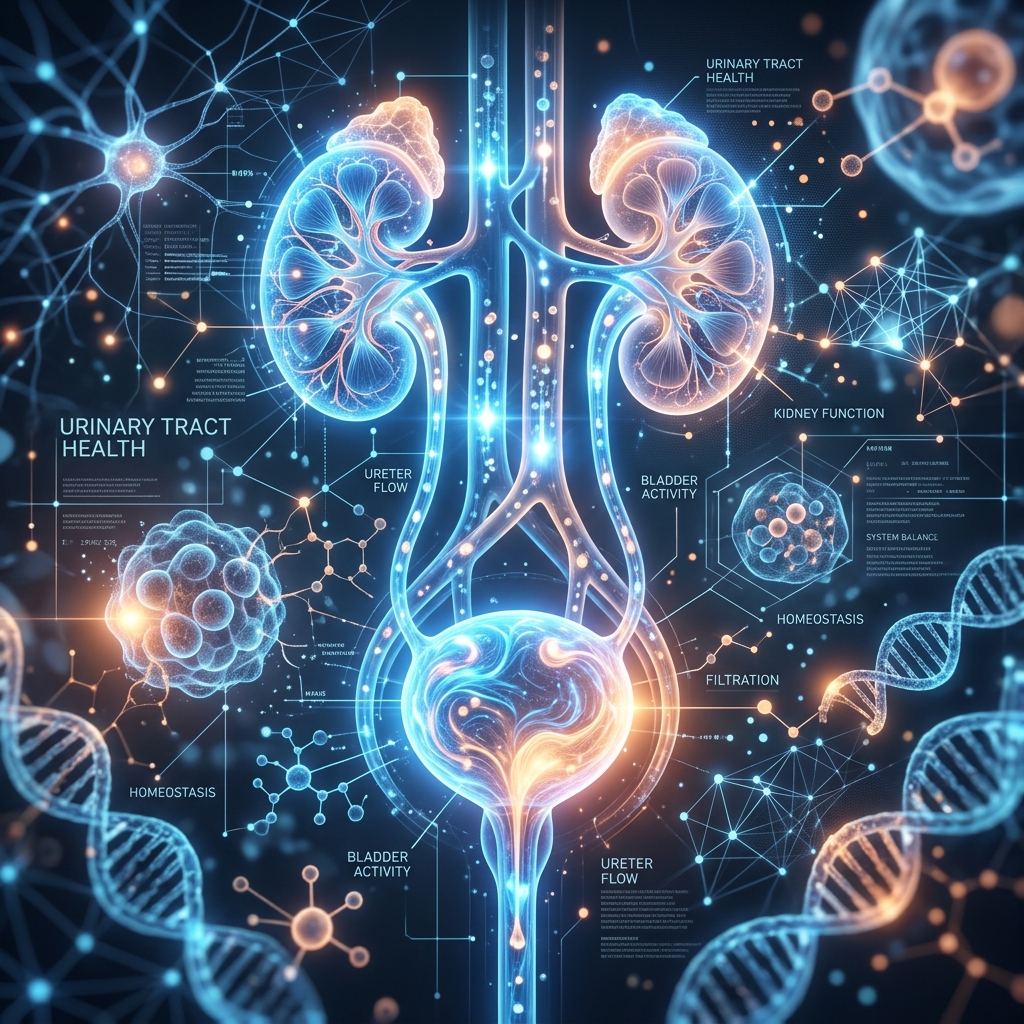
In addition to their severe, localized impact on the prostate gland, anabolic steroids exert profound, systemic stress on the kidneys. It is incredibly common for strength athletes and bodybuilders to mistakenly self-diagnose severe kidney distress as a simple urinary tract infection. This confusion arises because both distinct conditions can present with highly overlapping symptoms, such as deep flank pain, sudden changes in urine color, painful voiding, and generalized, radiating pelvic discomfort. Understanding exactly how these chemical compounds impact kidney function is an absolute necessity for an accurate diagnosis and appropriate medical intervention.
Proteinuria and Renal Strain
The kidneys act as the body’s primary, highly complex filtration system, heavily responsible for regulating blood pressure, balancing electrolytes, and removing toxic waste products and excess fluid from the blood. Bodybuilders and strength athletes habitually subject their kidneys to an immense, continuous workload. This excessive strain is due not only to the administration of hepatotoxic and nephrotoxic anabolic steroids but also to the accompanying lifestyle factors required for massive muscle growth. These factors include excessively high daily protein consumption, intense muscular breakdown from heavy resistance training (which chronically releases myoglobin into the bloodstream, taxing the renal tubules), and frequent, deliberate states of dehydration for aesthetic purposes.
Anabolic steroids can chemically induce a dangerous state called hyperfiltration, where the kidneys are forced to filter blood at an abnormally and unsustainably high rate. This is often driven by steroid-induced hypertension and an overactive renin-angiotensin-aldosterone system (RAAS). Over time, this intense, relentless pressure can permanently damage the delicate glomeruli—the microscopic, highly specialized filtering capillary tufts within the kidney. A common, early clinical marker of this microscopic damage is proteinuria, the abnormal presence of excess protein molecules leaking into the urine. When the kidneys are under severe structural strain, a user’s urine may appear unusually dark, highly frothy (resembling the head of a beer), or overly concentrated, often accompanied by a persistent, dull ache in the middle-to-lower back (flank pain). While these alarming symptoms closely mimic those of an ascending upper urinary tract infection, they frequently indicate acute renal strain, hypertension, and glomerular damage rather than a simple bacterial colonization.
Focal Segmental Glomerulosclerosis (FSGS)
Prolonged, high-dose anabolic steroid use has been definitively and clinically linked to a specific, highly destructive, and severe form of kidney damage known as Focal Segmental Glomerulosclerosis (FSGS). This devastating condition involves the irreversible scarring and hardening of the glomeruli, leading to a massive, rapid impairment of the kidneys’ core filtering capabilities. Bodybuilders are uniquely vulnerable to secondary FSGS due to the combination of enormous muscle mass (which demands extreme filtration rates), chronic hypertension from water retention and elevated red blood cell counts, and the direct cellular toxicity of certain androgens on the podocytes (specialized kidney cells). FSGS is a life-altering pathology that, if ignored and the causative anabolic agents are not immediately withdrawn, will invariably progress to end-stage renal disease (ESRD), requiring permanent dialysis or an organ transplant.
Medical Warning: Differentiating Renal Damage from Infection
It is absolutely vital to clinically distinguish between a bacterial UTI and steroid-induced kidney toxicity. While a standard course of antibiotics will quickly resolve a bacterial UTI, antibiotics will do absolutely nothing to repair glomerular scarring (FSGS) caused by sustained chemical toxicity, unchecked hypertension, and massive body weight. If you experience persistent flank pain, heavily foaming urine, sudden spikes in resting blood pressure, or severe water retention (edema) in the ankles alongside urinary changes, you must consult a nephrologist immediately for a comprehensive renal panel (including eGFR, BUN, Cystatin C, and a full urinalysis).
Other Steroid Cycle Risk Factors for Urinary Infections
Beyond massive prostate hypertrophy and direct, structural kidney stress, a high-dose steroid cycle introduces several other complex, secondary physiological variables that severely compromise the structural integrity and functionality of the urinary system. These diverse risk factors often compound one another in a cascading effect, exponentially elevating the risk profile for opportunistic bacterial infections.
Pelvic Floor Spasms and Hormonal Imbalance
The radical, unprecedented fluctuations in circulating serum hormones during an anabolic cycle can heavily influence neuromuscular function and stability in the sensitive pelvic region. Supraphysiological levels of circulating androgens, coupled with wildly fluctuating, unmanaged levels of estrogen (due to the aromatization of testosterone), can induce severe involuntary spasms or chronic, painful tension in the pelvic floor musculature. This hypertonicity (a condition often bordering on Chronic Pelvic Pain Syndrome or CPPS) can perfectly mimic the burning urgency and painful frequency typically associated with a bacterial UTI. Furthermore, tight, spasming pelvic floor muscles can physically constrict the urethra from the outside, contributing directly to the incomplete bladder emptying discussed earlier and compounding the internal mechanical obstruction caused by the swollen prostate gland.
Dehydration and Diuretic Use
Flawless hydration is the fundamental cornerstone of optimal urinary tract health. Unfortunately, many advanced bodybuilding protocols—particularly during brutal contest preparation phases or aggressive weight cuts—involve deliberate, severe fluid restriction and the administration of potent, dangerous pharmaceutical diuretics (such as furosemide, hydrochlorothiazide, or spironolactone) to achieve a dry, paper-thin, vascular aesthetic on stage. Diuretics function by forcefully expelling massive amounts of water, sodium, and potassium from the body, bypassing normal renal conservation mechanisms, which leads to highly concentrated, acidic urine.
This incredibly concentrated, dark urine is intensely chemically irritating to the sensitive epithelial lining of the bladder and urethra. It causes a severe, non-bacterial inflammation that can feel utterly identical to a bacterial infection (a painful condition sometimes clinically referred to as chemical cystitis). Furthermore, a severe lack of adequate fluid volume means the mechanical flushing of the urinary tract is completely halted. Bacteria that naturally enter the urethra are no longer washed away by a steady stream of fluid, allowing them ample time to ascend the tract into the bladder and establish a deeply rooted infection. The deadly combination of highly irritating chemical urinary metabolites and a total lack of fluid volume makes the final pre-competition phase a notoriously high-risk window for severe UTIs and acute kidney injury.
Hygiene and Injection Risks
While statistically less common than BPH-induced UTIs, systemic, blood-borne infections resulting from poor, unhygienic injection protocols can theoretically affect the urinary tract. Anabolic steroids are predominantly administered via deep intramuscular injection. If unsterile techniques are utilized—such as reusing needles, failing to swab vials and skin with isopropyl alcohol, or if contaminated, heavy-metal laden gear from illicit underground laboratories (UGLs) is injected—dangerous bacteria can be introduced directly into the muscle tissue and eventually the bloodstream. This careless practice can lead to bacteremia or septicemia, where powerful pathogens travel rapidly through the circulatory system and potentially seed within the dense capillary networks of the kidneys or lower urinary tract. Maintaining flawless, medical-grade aseptic technique during drug administration is non-negotiable for overall systemic health and the strict prevention of diverse, life-threatening infectious complications.
Recognizing the Symptoms: Is it a UTI or Something Else?
For an individual actively utilizing performance-enhancing drugs, diagnosing sudden urinary discomfort requires a highly careful, nuanced symptom analysis. The vast structural and chemical changes induced by steroids mean that standard medical assumptions about urinary pain may not completely apply. Accurate, timely identification is the essential first step toward effective medical remediation and preventing permanent organ damage.
Classic UTI Symptoms to Watch For
An active, multiplying bacterial infection in the lower urinary tract typically presents first with dysuria (a sharp, distinct burning sensation experienced primarily during the act of urination). This is very frequently accompanied by an intense, sudden urge to urinate, even when the bladder is nearly completely empty. The urine itself may appear highly turbid (cloudy) due to the presence of white blood cells (pyuria), carry an unusually strong, pungent, or distinctly foul odor, and in some more advanced cases, present with macroscopic hematuria (visible red blood in the urine). The onset of systemic, full-body symptoms such as a low-grade fever, chills, or generalized lethargy strongly indicates the presence of an active bacterial pathogen that has taken hold and requires immediate clinical diagnosis via urinalysis and subsequent targeted antibiotic therapy.
Signs of Prostate Enlargement vs. Infection
It is clinically vital to differentiate the inflammatory, infectious symptoms of a UTI from the purely mechanical, obstructive symptoms of steroid-induced benign prostatic hyperplasia. BPH, on its own, rarely causes a sharp burning pain or induces a systemic fever. Instead, it is characterized entirely by obstructive symptoms: a highly hesitant or very weak urinary stream, the absolute need to physically bear down and strain to initiate urination, dribbling at the end of the void, and severe nocturia (waking up three, four, or five times at night specifically to urinate). If an enhanced athlete is experiencing these purely obstructive symptoms without the intense burning or fever, they are almost certainly dealing with a severely swollen prostate rather than an active infection. However, as established extensively above, prolonged BPH is the absolute primary precursor to a UTI, meaning these mechanical symptoms should serve as a massive, blaring early warning system to intervene before infection sets in.
When to See a Doctor Immediately
Certain severe symptoms warrant immediate, emergency medical intervention, as they indicate that a lower tract infection may have rapidly ascended from the bladder up the ureters into the kidneys (a condition known as pyelonephritis), or that a state of severe, potentially irreversible acute renal failure is actively occurring. You must seek emergency medical care if you experience a high fever (above 101°F / 38.3°C), severe, unrelenting flank or deep back pain that does not change with stretching, debilitating nausea and vomiting, or if you become entirely unable to pass urine for several hours. Acute urinary retention (the complete inability to void despite a full bladder) is an absolute medical emergency that requires immediate hospital catheterization to prevent permanent bladder nerve destruction and catastrophic kidney damage from retrograde pressure.
Prevention and Protection on Cycle
Proactive, obsessive management of urological and renal health is a mandatory, non-negotiable component of responsible performance enhancement and harm reduction. Passively waiting for agonizing symptoms to manifest before implementing protective protocols is a fundamentally flawed, dangerous approach. A comprehensive, intelligent prevention strategy must holistically address prostate physiology, systemic hydration status, cardiovascular health, and regular clinical blood monitoring.
Prostate Support Supplements and Medications
To directly mitigate the risk of steroid-induced BPH, many intelligent athletes incorporate targeted supplementation and, when clinically appropriate, strict pharmacological interventions. Over-the-counter supplements such as high-quality Saw Palmetto extract, Beta-Sitosterol, and Pygeum Africanum are commonly utilized daily for their potential to mildly inhibit 5-alpha reductase activity and reduce generalized prostatic inflammation. While the sheer clinical efficacy of these natural herbal remedies is heavily debated in the medical literature when pitted against massive doses of synthetic hormones, they remain a foundational staple in preventative cycle support protocols.
For far more aggressive, guaranteed prevention, pharmaceutical 5-alpha reductase inhibitors like Finasteride (typically 1mg/day) or Dutasteride (0.5mg) may be strictly employed. These powerful medications drastically reduce the enzymatic conversion of circulating testosterone into DHT, effectively shrinking the prostate gland over time or preventing its initial hypertrophy entirely. However, it is absolutely crucial to note a massive caveat: these drugs only prevent the conversion of endogenous or exogenous testosterone to DHT. If the athlete is utilizing synthetic, pure DHT derivatives (e.g., Masteron, Primobolan, Winstrol), Finasteride and Dutasteride will offer absolutely zero protective benefit to the prostate, as the injected compounds are already in an active androgenic state that completely bypasses the 5-alpha reductase enzyme. In such advanced scenarios, strictly managing dosage, limiting cycle duration, and prioritizing frequent off-time remain the primary, unavoidable methods of minimizing prostate trauma.
Hydration and Renal Care
Aggressive, relentless hydration is the simplest, cheapest, and most definitively effective method for preventing urinary tract infections. Maintaining a massive fluid intake ensures a constant, heavy flow of dilute urine, which mechanically flushes transient bacteria from the urethra and entirely prevents the stagnant pooling necessary for bacterial colonization. Athletes utilizing anabolic steroids should aim for a strict minimum of one to one-and-a-half gallons (3.7 to 5.5 liters) of water daily, scaling upward based on intense cardiovascular output, ambient environmental conditions, and body weight.
Additionally, incorporating daily prophylactic compounds like D-Mannose and highly concentrated Cranberry Extract can offer massive further protection. D-Mannose is a unique simple sugar that selectively binds to the tiny fimbriae (tentacles) of E. coli bacteria, completely preventing them from adhering to the smooth urothelial lining of the bladder and allowing them to be safely flushed out during normal urination. To simultaneously protect precious renal function, controlling systemic blood pressure is absolutely paramount. Chronic hypertension is a leading, silent cause of steroid-induced kidney damage. Athletes must regularly monitor their blood pressure at home and actively employ cardiovascular exercise, dietary sodium management, and appropriate pharmaceutical medications (such as ARBs like Telmisartan or highly selective beta-blockers like Nebivolol) if resting levels become elevated.
Monitoring Hormone Levels
Regular, comprehensive serological testing is non-negotiable for anyone using PEDs. Comprehensive venous blood work should be conducted prior to starting, midway through, and after completing any cycle. To accurately assess the severe risk factors discussed throughout this article, a metabolic panel must include precise markers for renal function: Blood Urea Nitrogen (BUN), Serum Creatinine, and most importantly, the Estimated Glomerular Filtration Rate (eGFR), ideally paired with Cystatin C for muscular individuals. Furthermore, specifically monitoring Prostate-Specific Antigen (PSA) levels provides crucial, life-saving insight into the sheer physical stress being placed on the prostate gland. Dangerously elevated PSA levels warrant the immediate cessation of all androgenic compounds and an urgent, comprehensive evaluation by a urologist to rule out severe benign pathology or aggressive malignancy.
Frequently Asked Questions
Can testosterone injections cause a UTI?
Testosterone injections do not directly introduce bacteria into the body to cause a UTI. However, high supraphysiological levels of testosterone aggressively convert to DHT via the 5-alpha reductase enzyme, which causes the prostate gland to rapidly enlarge (a condition known as BPH). This enlarged prostate physically restricts normal urine flow, leading to incomplete bladder emptying. This stagnant, trapped urine creates a perfect breeding ground for naturally occurring bacteria to multiply, indirectly resulting in a severe urinary tract infection.
Do anabolic steroids make you pee more often?
Yes, but typically due to anatomical obstruction rather than increased fluid processing by the kidneys. As the prostate swells massively from extreme androgen exposure, it presses heavily against the bottom of the bladder and constricts the urethra. This pressure physically limits the bladder’s natural holding capacity and triggers a false feeling of urgency, resulting in the constant need to urinate frequently, often in very small, unsatisfying amounts, particularly disrupting sleep at night (nocturia).
How do you tell the difference between a UTI and prostate enlargement?
Prostate enlargement (BPH) primarily presents with distinct mechanical symptoms: a very weak urine stream, intense difficulty or delay starting urination, and frequent nighttime voiding. A UTI, while sometimes sharing the symptom of frequency, is distinctly characterized by a sharp, highly painful burning sensation during urination (dysuria), visibly cloudy or foul-smelling urine, and potentially systemic signs of infection like a fever or chills.
Can steroids cause kidney pain that feels like a UTI?
Yes, absolutely. Steroids significantly increase systemic blood pressure and place a massive filtration burden on the kidneys, potentially causing acute renal strain or severe, scarring conditions like Focal Segmental Glomerulosclerosis (FSGS). This severe tissue damage can manifest as a deep, throbbing flank or lower back pain and dark, frothy urine, which many users mistakenly self-diagnose as an upper urinary tract infection. If you experience these symptoms, immediate clinical evaluation and blood work are required.
How can bodybuilders prevent urinary tract infections?
Prevention focuses entirely on maintaining optimal, unobstructed urine flow and flawless prostate health. This includes utilizing 5-alpha reductase inhibitors (like Finasteride, when appropriate) to limit prostate growth, avoiding the heavy abuse of potent DHT-derivative steroids, maintaining aggressive hyper-hydration to flush the urinary tract constantly, supplementing with D-Mannose to prevent bacterial adhesion, and strictly monitoring prostate (PSA) and kidney (eGFR, Creatinine, BUN) health markers via regular, comprehensive bloodwork.
Get our latest guides, news, and insights highlighted in your Google Search & AI Overviews.