If you’re experiencing swollen lymph nodes while using steroids, you might be alarmed—and rightly so. While corticosteroids are typically prescribed to reduce inflammation and shrink lymph nodes, anabolic steroids can sometimes lead to indirect complications, such as injection-site infections or reactive inflammation, causing nodes to swell. Understanding the difference and knowing when to consult a doctor is crucial for your long-term health. The medical and fitness communities frequently debate the wide-ranging impacts of steroids on the human body, but parsing through the facts regarding lymphatic system health is essential to distinguish between a benign side effect and a critical warning sign.
Executive Summary
Steroids themselves rarely cause direct swelling of the lymph nodes, but the context matters immensely. Corticosteroids generally shrink lymph nodes by dampening immune responses, which can inadvertently mask an underlying bacterial or viral infection. Conversely, anabolic-androgenic steroids (AAS) can lead to swollen lymph nodes indirectly. Poor injection hygiene can trigger reactive granulomatous inflammation, while immune suppression from heavy AAS use leaves the body vulnerable to secondary infections. If you discover hard, immovable, or rapidly growing nodes, immediate medical evaluation is required to rule out serious pathology.
Understanding Lymph Nodes and How They Function
Before investigating the complex interaction between pharmacological steroids and your immune response, it is crucial to establish a factual perspective on how the lymphatic system operates. The lymphatic network is a vital component of your body’s immune system, acting as a sophisticated drainage and filtration mechanism.
What Are Lymph Nodes?
Lymph nodes are small, bean-shaped structures clustered throughout the body, predominantly in the neck (cervical), armpits (axillary), and groin (inguinal) areas. These nodes contain specialized immune cells, primarily lymphocytes (B-cells and T-cells) and macrophages, which actively filter lymphatic fluid. When a foreign pathogen—such as a virus, bacteria, or abnormal cellular material—enters the body, it is carried via the lymphatic vessels to the nearest node. Inside, the immune cells rapidly multiply and attack the invader, a biological process that physically expands the size of the node.
Common Causes of Swollen Lymph Nodes (Lymphadenopathy)
The clinical term for swollen lymph nodes is lymphadenopathy. In the vast majority of medical scenarios, lymphadenopathy is a healthy, expected response to a pathogen. The most common causes of swollen lymph nodes include localized bacterial infections (like strep throat), viral infections (such as the common cold, Epstein-Barr virus, or HIV), and fungal pathogens. In rarer cases, nodes may swell due to autoimmune disorders (like lupus or rheumatoid arthritis) or malignancies, such as lymphoma or leukemia. Understanding that swelling is an active immune response is critical when evaluating how steroid medications interfere with this process.
The Difference Between Anabolic Steroids and Corticosteroids
One of the most frequent errors made in fitness and health discussions is conflating the two distinct classes of steroid compounds. While they share a structural chemical backbone, their pharmacological mechanisms, intended medical uses, and side effect profiles are entirely different.
Corticosteroids: Reducing Inflammation
Corticosteroids, such as prednisone, dexamethasone, and hydrocortisone, are synthetic medications designed to mimic cortisol, a hormone naturally produced by your adrenal glands. These corticosteroid medications are powerful immunosuppressants and anti-inflammatory agents. They are clinically prescribed to treat hyper-inflammatory conditions, asthma exacerbations, severe allergies, and autoimmune diseases. Corticosteroids work by binding to glucocorticoid receptors inside cells, effectively turning off the genes responsible for producing inflammatory cytokines.
Anabolic Steroids: Muscle Growth and Side Effects
Conversely, anabolic-androgenic steroids (AAS) are synthetic derivatives of the male sex hormone testosterone. They are utilized—often illicitly—by bodybuilders and athletes to exponentially increase muscle protein synthesis and enhance physical performance. While they do possess some minor anti-inflammatory properties, their primary mechanism involves binding to androgen receptors to stimulate muscle hypertrophy. The clinical literature frequently highlights the severe adverse effects of anabolic-androgenic steroids, which can range from cardiovascular strain and hepatotoxicity (liver damage) to profound hormonal disruption.
Do Corticosteroids Cause Swollen Lymph Nodes?
A common medical query is whether a prescription course of prednisone or a similar corticosteroid will cause your lymph nodes to enlarge. The short, evidence-based answer is no. However, their profound impact on your immune system creates several complex scenarios that warrant close attention.
How Corticosteroids Shrink Lymph Nodes
Biologically, corticosteroids are designed to do the exact opposite of causing swelling. Because of their profound immunosuppressive properties of steroids, they rapidly reduce inflammation and inhibit the proliferation of lymphocytes. In fact, high doses of corticosteroids are frequently utilized as a frontline chemotherapeutic treatment to intentionally shrink cancerous lymph nodes in patients diagnosed with lymphoma or leukemia. Therefore, if you are strictly taking a prescribed corticosteroid and notice a new, enlarged lymph node, the medication itself is highly unlikely to be the direct cause.
The Masking Effect on Underlying Infections
The primary danger regarding corticosteroids and the lymphatic system is the masking of severe infections. Because corticosteroids artificially suppress the body’s inflammatory response, a patient may contract a serious bacterial or viral infection without presenting traditional symptoms like a high fever or severe pain. The immune system is blunted, allowing the pathogen to replicate aggressively. Eventually, as the infection overwhelms the suppressed immune system, adjacent lymph nodes may swell drastically as a delayed, desperate defensive measure. In this scenario, steroids masking infection allow the underlying pathology to worsen unnoticed.
Fat Redistribution vs. True Swelling (Buffalo Hump)
Another crucial distinction involves a well-documented side effect of long-term corticosteroid therapy: lipodystrophy, or abnormal fat redistribution. Prolonged exposure to high cortisol levels (or synthetic corticosteroids) frequently causes fat to accumulate in specific areas, notably the face (moon facies), the abdomen, and the base of the neck/upper back. This fat pad at the base of the neck is commonly referred to as a “buffalo hump steroids” effect. Many patients mistakenly palpate this soft, fatty tissue and incorrectly assume they are suffering from massive cervical lymph node swelling. However, a doctor can easily distinguish between soft adipose tissue and a firm, enlarged lymph node during a physical examination.
| Steroid Type | Primary Mechanism | Effect on Lymph Nodes |
|---|---|---|
| Corticosteroids | Anti-inflammatory & Immunosuppressive | Shrinks nodes; can mask infections leading to delayed swelling. |
| Anabolic Steroids (AAS) | Androgen Receptor Binding & Hypertrophy | No direct effect; swelling usually stems from injection site infections or severe acne. |
Can Anabolic Steroids Cause Lymph Nodes to Swell?
When bodybuilders and athletes report lymphadenopathy, the clinical timeline and physiological causes differ significantly from those taking corticosteroids. Anabolic steroids do not inherently cause lymphatic swelling as a direct pharmacological mechanism. Instead, the swelling is almost always a secondary consequence of how the drugs are administered or systemic reactions to the compounds themselves.
Reactive Granulomatous Inflammation from Injections
The most frequent cause of swollen lymph nodes from injections is poor administration technique or contaminated gear. Most anabolic steroids are injected intramuscularly using oil-based carrier solutions. If a user injects contaminated oil, utilizes an unsterile needle, or repeatedly injects into the same damaged tissue, the body recognizes the foreign material or bacteria as an immediate threat. This triggers acute injection site reactions and localized inflammation. The lymphatic system quickly drains the localized area of the injection site, carrying the bacteria or foreign oil droplets to the nearest regional lymph node. For example, a contaminated glute injection will typically cause severe swelling in the inguinal (groin) lymph nodes. This is often termed reactive granulomatous inflammation, where the immune system attempts to wall off the foreign substance.
Immune System Suppression and Secondary Infections
While corticosteroids are the primary immunosuppressants, chronic abuse of high-dose anabolic steroids also exerts a suppressive toll on the immune system over time. The physiological stress of extreme muscle mass, coupled with the hormonal disruption of shutting down natural testosterone production, can leave an athlete highly vulnerable to common pathogens. In this state of relative immune suppression, a simple upper respiratory tract infection or a minor skin abrasion can escalate rapidly, prompting nearby lymph nodes to swell as they struggle to contain a pathogen that a healthy immune system would have easily cleared.
Acne Fulminans and Systemic Lymphadenopathy
A severe, documented anabolic steroids side effect is the sudden onset of a highly aggressive skin condition known as acne fulminans. Unlike typical acne vulgaris, acne fulminans presents as massive, painful, ulcerating nodules across the chest, back, and shoulders. This condition is triggered by the massive surge in androgens, which hyper-stimulates the sebaceous glands. The sheer volume of severe skin inflammation and localized bacterial overgrowth associated with acne fulminans forces the immune system into overdrive. Consequently, systemic lymphadenopathy (widespread swelling of lymph nodes) frequently accompanies severe steroid-induced acne breakouts.
When to Be Concerned About Swollen Lymph Nodes While on Steroids
Given that steroids—whether anabolic or corticosteroid—manipulate immune pathways, noticing an enlarged lymph node should never be ignored. It is essential to distinguish between a transient, harmless swelling and a severe medical red flag.
Signs of Serious Infection
If you have recently administered an intramuscular injection of an anabolic steroid and subsequently notice a swollen, tender lymph node in the corresponding region (e.g., a swollen armpit node after a deltoid injection), you must monitor the site closely. Redness, severe heat, profound tenderness, and the presence of pus at the injection site, coupled with regional lymphadenopathy, are classic indicators of an abscess or severe bacterial infection. These infections can rapidly progress to sepsis if left untreated and require immediate antibiotic intervention.
Symptoms That Require Immediate Medical Attention
According to clinical guidelines regarding when to see a doctor for swollen lymph nodes, you should seek immediate evaluation if the node presents with specific, concerning characteristics. Normal reactive nodes are typically soft, somewhat tender, and mobile (they move slightly when pushed). Conversely, if a lymph node is hard like a rock, painless, rapidly growing, or fixed tightly to the surrounding tissue, it is a significant warning sign. Furthermore, if the swelling is accompanied by systemic symptoms such as unexplained weight loss, drenching night sweats, or a persistent, high-grade fever, professional diagnosis is non-negotiable.
Medical Diagnoses Not to Ignore
Ignoring hard, fixed lymph nodes while utilizing heavy androgens or prolonged corticosteroids can delay the diagnosis of critical illnesses. While lymphoma (cancer of the lymphatic system) is not directly caused by anabolic steroids, bodybuilders are not immune to developing malignancies. Relying solely on the assumption that “it’s just a side effect of the gear” can result in tragic, delayed cancer diagnoses.
Benign Lymph Node Characteristics
- Soft and slightly squishy to the touch.
- Tender or mildly painful when pressed.
- Mobile under the skin.
- Returns to normal size within 2 to 4 weeks.
Red Flag Characteristics
- Hard, firm, and rubbery texture.
- Painless despite significant enlargement.
- Fixed and immobile to surrounding tissue.
- Accompanied by night sweats or unexplained fever.
How to Manage Swollen Lymph Nodes When Using Steroids
If you are experiencing lymphadenopathy, the priority is to identify the root cause rather than merely attempting to shrink the node. Management strategies will differ drastically based on whether you are utilizing a prescription corticosteroid or an illicit anabolic compound.
Discontinuing or Adjusting Dosages
If you are on a prescribed corticosteroid and suspect an underlying infection is being masked, do not abruptly stop your medication. Abrupt cessation of systemic corticosteroids can trigger a life-threatening condition known as acute adrenal crisis. Always consult your prescribing physician, who may carefully taper your dosage while initiating aggressive antibiotic or antiviral therapy to address the root infection. For users of anabolic steroids suffering from injection-induced lymphadenopathy, immediately halting the injections into the affected area is the first crucial step to prevent further tissue necrosis and immune overload.
Proper Injection Hygiene
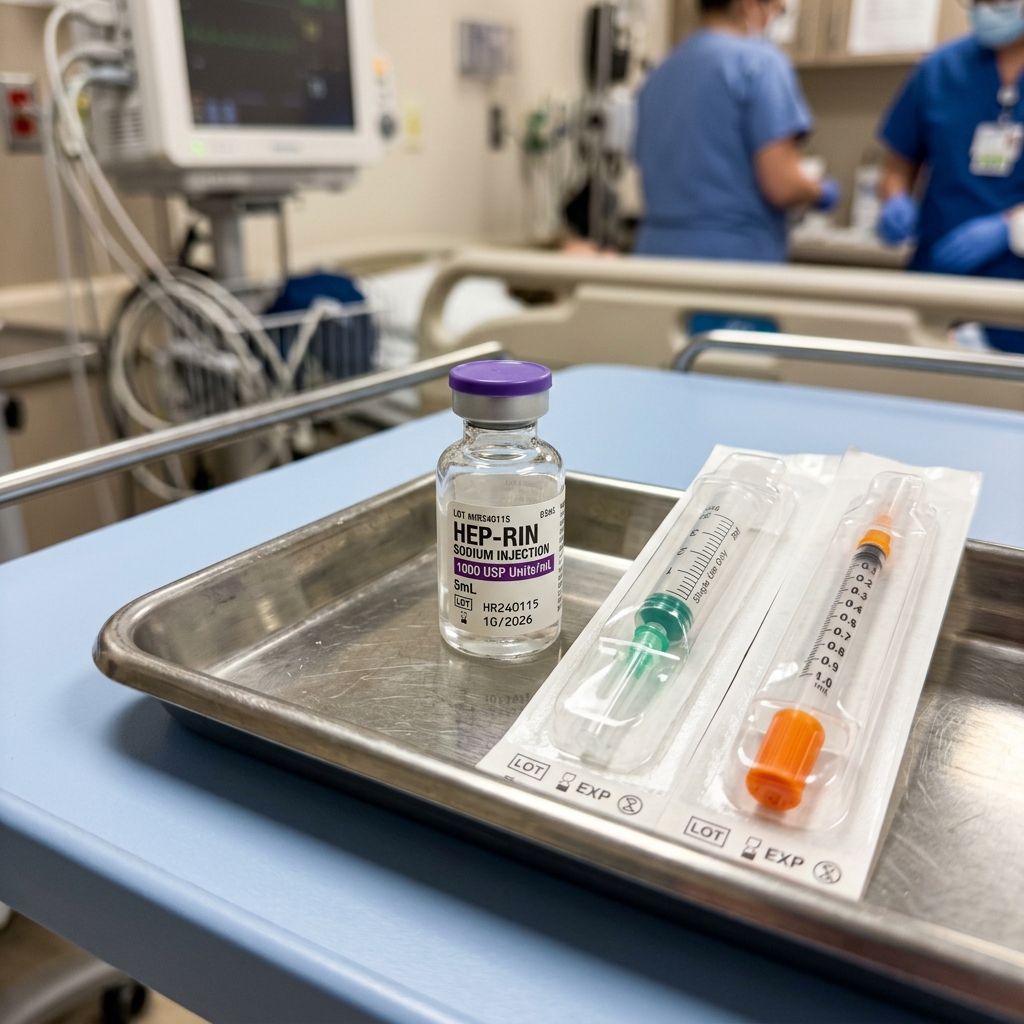
For those administering injectable PEDs, strict adherence to sterile protocols is the only way to prevent reactive granulomatous inflammation and subsequent lymph node swelling. This involves using brand-new, sterile syringes and needles for every single application. The injection site must be thoroughly sanitized with isopropyl alcohol, and the vial stopper must be wiped down before drawing the compound. Rotating injection sites frequently prevents the buildup of scar tissue and localized trauma, which severely reduces the risk of abscess formation and regional lymphadenopathy.
Consulting a Healthcare Provider
Regardless of the type of steroid you are using, persistent lymph node swelling lasting longer than two weeks warrants a clinical evaluation. A physician may order a complete blood count (CBC) to check your white blood cell levels, an ultrasound to examine the architecture of the node, or a fine-needle aspiration biopsy to rule out malignancy. Honest communication with your healthcare provider about your steroid use is vital, as it allows them to accurately assess your immune status and provide appropriate, potentially life-saving care.
Medical Disclaimer: The information detailed in this article is strictly for educational and informational purposes and does not replace professional medical advice. Never ignore an enlarged, hard, or painless lymph node. Always consult with a licensed healthcare provider for a proper physical examination and diagnosis, particularly if you are utilizing immunosuppressive or anabolic medications.
Frequently Asked Questions
Do steroids shrink swollen lymph nodes?
Yes, corticosteroids (like prednisone) are potent immunosuppressants and anti-inflammatory agents that can shrink swollen lymph nodes. In fact, they are often used medically to reduce node size in certain hyper-inflammatory or malignant conditions. Anabolic steroids, however, do not possess this capability and will not shrink lymph nodes.
Why do my lymph nodes hurt after a steroid injection?
If your lymph nodes hurt after an anabolic steroid injection, it is highly likely due to localized inflammation or an infection at the injection site. The lymphatic system drains the affected area, carrying foreign oil or bacteria to the regional nodes (such as the armpit or groin), causing them to swell and become tender as they mount an immune response.
Can long-term use of anabolic steroids damage the lymphatic system?
While anabolic steroids do not physically destroy the lymphatic vessels, long-term abuse can suppress your overall immune system. This immune suppression makes your body less efficient at fighting off infections, meaning your lymph nodes may frequently swell as they struggle to clear pathogens that a healthy body would easily neutralize.
Is it normal to have a swollen neck while taking prednisone?
A swollen neck while on prednisone is rarely caused by swollen lymph nodes. It is much more likely to be a condition called lipodystrophy, specifically a “buffalo hump” or “moon facies,” where prolonged corticosteroid use causes abnormal fat redistribution to the base of the neck and face. However, any new neck swelling should be evaluated by a doctor to rule out an infection.
How long does it take for lymph nodes to return to normal after stopping steroids?
If a lymph node swelled due to a reactive infection from a steroid injection, it should gradually return to normal within 2 to 4 weeks once the infection is treated or the localized inflammation subsides. If a node remains enlarged, hard, or continues to grow after a month, immediate medical evaluation is required.
Get our latest guides, news, and insights highlighted in your Google Search & AI Overviews.