Many people are drawn to the rapid muscle gains and performance enhancements offered by anabolic steroids, but few fully grasp the devastating toll they take over time. Why are steroids bad long term? From irreversible heart damage and liver toxicity to severe endocrine disruption, the long-term health consequences of steroid misuse extend far beyond temporary side effects. In this comprehensive guide, we’ll break down exactly what happens to your body after years of steroid use, the physiological damage that occurs beneath the surface, and why the price of an unnatural physique may be your long-term health.
Introduction to Long-Term Steroid Misuse
The pursuit of supra-physiological muscle mass and enhanced athletic performance frequently leads individuals down the perilous path of performance-enhancing drugs (PEDs). While the initial phases of exogenous hormone administration may yield significant increases in lean tissue accretion, strength, and recovery rates, the underlying physiological tax levied on the human body is profound and, in many cases, cumulative. Understanding why steroids are bad long term requires a clinical examination of how these powerful synthetic compounds alter homeostasis, rewrite metabolic pathways, and induce systemic stress across multiple organ systems over years or decades of use.
When discussing the long-term health consequences of these substances, it is critical to rely on empirical evidence and clinical timelines rather than anecdotal locker-room lore. The medical reality is that the human body is not evolved to process and withstand the continuous presence of astronomical androgen levels. Over time, the physiological adaptations that occur to manage these exogenous hormones evolve from temporary coping mechanisms into permanent structural and functional deficits. From altering the very architecture of the cardiovascular system to suppressing the natural endocrine feedback loops, anabolic-androgenic steroids exact a toll that can dramatically reduce both the quality and length of life.
Anabolic-Androgenic Steroids (AAS) vs. Corticosteroids
To establish a factual perspective, a clear distinction must be made between Anabolic-Androgenic Steroids (AAS) and corticosteroids. AAS are synthetic derivatives of the primary male sex hormone, testosterone. They are engineered to maximize anabolic (tissue-building) properties while attempting, often unsuccessfully, to minimize androgenic (masculinizing) side effects. These are the compounds illicitly utilized by bodybuilders, powerlifters, and athletes to artificially stimulate protein synthesis and nitrogen retention in skeletal muscle tissue.
Conversely, corticosteroids—such as prednisone, dexamethasone, or hydrocortisone—are medical derivatives of cortisol, a hormone naturally produced by the adrenal glands. Corticosteroids are legally prescribed to manage severe inflammation, autoimmune disorders, and allergic reactions (such as in pediatric croup or asthma). While long-term use of corticosteroids carries its own distinct profile of adverse effects—including immunosuppression, osteoporosis, and adrenal insufficiency—the devastating multi-organ toxicity associated with illicit bodybuilding PEDs is uniquely tied to the prolonged misuse of AAS at supra-therapeutic dosages.
The Cycle of Dependency and Escalation
One of the primary reasons AAS misuse becomes a long-term hazard is the insidious cycle of dependency and dose escalation. What often begins as a single, cautiously managed “cycle” frequently spirals into continuous use or “blast and cruise” protocols. This occurs because the cessation of exogenous androgens leads to a profound state of hypogonadism—the body has ceased its own testosterone production in response to the artificial surplus. During this post-cycle period, users experience severe muscle catabolism, lethargy, loss of libido, and deep depression.
To avoid this debilitating withdrawal phase and maintain the artificially acquired muscle mass, individuals are compelled to resume steroid use, often at higher dosages or by combining (stacking) multiple toxic compounds. This escalation significantly amplifies the physiological burden. The Centers for Disease Control and Prevention (CDC) and other health authorities emphasize that the prolonged exposure to these escalating dosages forces the body’s organ systems to operate under constant distress, paving the way for chronic disease states that may not manifest clinically until years after the damage has become irreversible.
Cardiovascular System Consequences
Of all the physiological systems impacted by the chronic administration of performance-enhancing drugs, the cardiovascular system suffers the most insidious and life-threatening damage. The link between long-term AAS misuse and premature cardiovascular mortality is well-documented in medical literature. The heart and the intricate network of blood vessels are subjected to unrelenting mechanical and chemical stress, leading to structural remodeling that dramatically increases the risk of catastrophic cardiovascular events in comparatively young, outwardly “fit” individuals.
The deceptive nature of this cardiovascular toxicity lies in the fact that it often progresses asymptomatically. A bodybuilder may present with exceptional physical conditioning, low body fat, and immense muscularity, while simultaneously harboring the arterial plaque and cardiac dysfunction of someone decades older. By the time symptoms such as shortness of breath, angina, or severe arrhythmias present themselves, the underlying pathology is often deeply entrenched.
Structural Heart Damage and Cardiomyopathy
One of the most profound and irreversible consequences of long-term AAS exposure is left ventricular hypertrophy (LVH). Just as skeletal muscle hypertrophies in response to resistance training and exogenous androgens, the cardiac muscle—specifically the left ventricle, which is responsible for pumping oxygenated blood to the rest of the body—also undergoes pathological enlargement. However, unlike skeletal muscle growth, cardiac hypertrophy induced by steroids is largely detrimental.
The presence of high-dose androgens triggers an abnormal thickening of the ventricular walls, which consequently reduces the internal volume of the chamber and impairs its ability to relax and fill with blood during the diastolic phase. This condition, known as diastolic dysfunction, forces the heart to work exponentially harder to maintain adequate cardiac output. Over time, this chronic overexertion can lead to focal myocardial fibrosis—the replacement of healthy heart muscle tissue with stiff, non-contractile scar tissue. This scarring disrupts the heart’s electrical conduction pathways, vastly increasing the susceptibility to sudden, lethal arrhythmias. Evidence suggests that this structural cardiomyopathy is a primary driver behind the sudden cardiac deaths frequently observed in veteran strength athletes.
Accelerated Atherosclerosis and Heart Attacks
Beyond structural changes to the myocardium, long-term steroid misuse exerts a devastating influence on the body’s lipid profile, fundamentally altering how cholesterol is metabolized and transported. AAS—particularly oral derivatives—are notorious for profoundly suppressing High-Density Lipoprotein (HDL, the “good” cholesterol that clears arterial plaque) while simultaneously elevating Low-Density Lipoprotein (LDL, the “bad” cholesterol that deposits plaque). It is not uncommon for a long-term user to present with an HDL level that is virtually undetectable in clinical assays.
This severely atherogenic lipid profile accelerates the progression of atherosclerosis, characterized by the rapid accumulation of fatty plaques along the inner walls of the coronary and cerebral arteries. As these vessels narrow and harden, blood flow is critically restricted. Furthermore, AAS are known to induce endothelial dysfunction, impairing the blood vessels’ ability to dilate, and trigger a pro-thrombotic state by increasing platelet aggregation and altering coagulation factors. The combination of rampant plaque buildup, restricted vasodilation, and a heightened tendency for blood clots creates a perfect storm for premature myocardial infarction (heart attack) and ischemic stroke, consequences explicitly warned about by institutions like the Mayo Clinic.
Endocrine and Reproductive Disruption
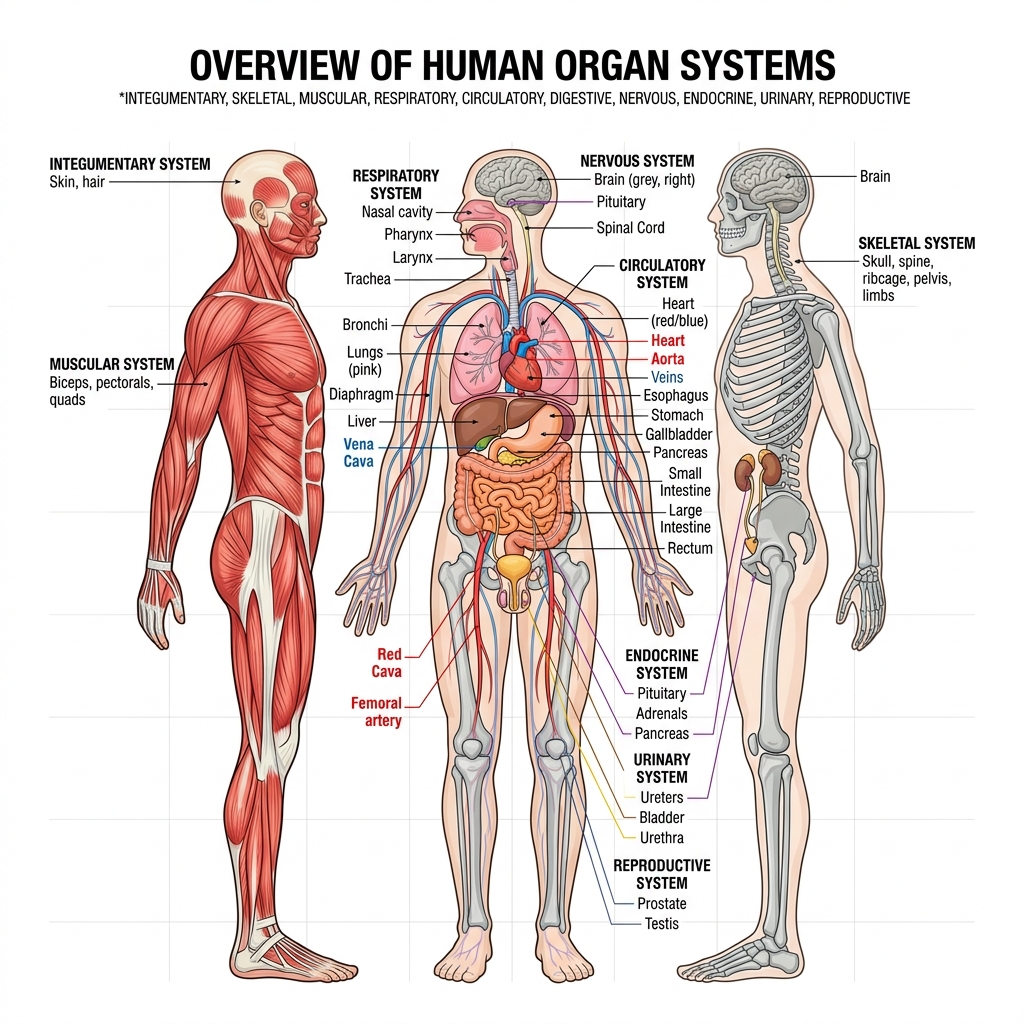
The human endocrine system operates on a delicate, highly regulated network of feedback loops designed to maintain precise hormonal balance. The introduction of massive quantities of exogenous androgens completely short-circuits this system. The Hypothalamic-Pituitary-Testicular Axis (HPTA) detects the extreme surplus of hormones and immediately halts the endogenous production of testosterone to prevent further excess. While this is an intended survival mechanism, long-term AAS use essentially paralyses the HPTA, leading to severe and sometimes permanent reproductive and endocrine dysfunction.
The consequences of this disruption extend far beyond the duration of the steroid cycle itself. The longer the natural production remains shut down, the more difficult it is to “restart” the system once exogenous hormones are withdrawn. This disruption fundamentally alters the body’s secondary sex characteristics, metabolic rate, and reproductive viability, presenting vastly different but equally severe clinical profiles in men and women.
Hypogonadism and Infertility in Men
In male users, the chronic suppression of Luteinizing Hormone (LH) and Follicle-Stimulating Hormone (FSH) leads directly to profound hypogonadism. Because the testes are no longer receiving the signal to produce testosterone or sperm, they undergo progressive cellular atrophy. Testicular atrophy is a hallmark of long-term AAS misuse; the physical shrinkage of the testicles is accompanied by a drastic reduction in spermatogenesis, frequently resulting in oligospermia (low sperm count) or complete azoospermia (absence of viable sperm), rendering the user clinically infertile.
Additionally, because the body attempts to balance the artificially high androgen levels, it up-regulates the aromatase enzyme, which converts excess testosterone into estrogen (estradiol). This severe hormonal imbalance can lead to gynecomastia—the development of female breast tissue in men. Unlike simple fat accumulation, gynecomastia involves the growth of actual glandular tissue behind the nipple, which is often painful and typically requires surgical excision to remove permanently. Even after cessation of AAS, many men suffer from prolonged or irreversible secondary hypogonadism, necessitating lifelong Testosterone Replacement Therapy (TRT) simply to function normally.
Virilization and Menstrual Irregularities in Women
For female users, the introduction of exogenous derivatives of male sex hormones carries devastating and rapidly progressing consequences. The female physiology is highly sensitive to even minor elevations in androgens, making the side effects of AAS misuse in women particularly aggressive and frequently irreversible. The primary clinical manifestation is virilization—the development of male secondary sex characteristics.
Long-term exposure results in vocal cord hypertrophy, leading to a permanent deepening of the voice that cannot be reversed even if drug use is halted. Women also experience hirsutism (excessive, coarse body and facial hair growth) while concurrently suffering from male-pattern alopecia (scalp baldness). Furthermore, the androgenic overload causes profound clitoromegaly (enlargement of the clitoris) and complete disruption of the menstrual cycle (amenorrhea). This reproductive shutdown directly severely compromises fertility and drastically alters the female endocrine landscape, often leading to severe psychological distress alongside the physical transformations.
Gender-Specific Endocrine Consequences
| Physiological Area | Impact on Men | Impact on Women |
|---|---|---|
| Reproductive Organs | Severe testicular atrophy, reduced prostate health. | Clitoral hypertrophy (clitoromegaly). |
| Fertility | Oligospermia or azoospermia (clinical infertility). | Amenorrhea (cessation of menstruation), infertility. |
| Secondary Characteristics | Gynecomastia (breast tissue growth). | Deepened voice, hirsutism, male-pattern baldness. |
Liver and Kidney Toxicity
The metabolic clearance of performance-enhancing drugs places an immense and continuous burden on the body’s primary filtration organs: the liver and the kidneys. While all AAS exert systemic stress, oral anabolic steroids are particularly devastating due to their chemical structure. To survive the “first-pass” metabolism through the liver and enter the bloodstream active, oral steroids are typically altered at the 17th carbon position (17-alpha-alkylation). This molecular modification makes the compound resistant to hepatic breakdown, but it fundamentally renders the drug highly toxic to liver parenchyma.
Simultaneously, the kidneys are forced to filter enormous volumes of waste products generated by drastically increased protein synthesis, muscle tissue breakdown (during intense training), and the clearance of the synthetic metabolites themselves. Over years of chronic use, this relentless chemical assault degrades the cellular integrity of these vital organs, progressing from reversible enzyme elevation to irreversible fibrotic damage and organ failure.
Hepatotoxicity, Lesions, and Liver Tumors
The hepatotoxicity associated with illicit use of 17-alpha-alkylated compounds is well-documented in hepatology. The continuous metabolic strain impairs the liver’s ability to excrete bile, leading to a condition known as cholestatic jaundice. Bilirubin accumulates in the blood and tissues, causing the skin and the sclera (whites) of the eyes to turn visibly yellow, accompanied by severe pruritus (itching) and extreme lethargy.
More alarmingly, long-term AAS misuse is directly correlated with the development of peliosis hepatis—a rare vascular condition characterized by the formation of multiple blood-filled cysts within the liver tissue. These cysts can rupture, leading to massive and potentially fatal intra-abdominal hemorrhage. Furthermore, chronic exposure significantly elevates the risk of developing hepatic adenomas (benign tumors) and hepatocellular carcinoma (liver cancer). The continuous chemical irritation forces rapid cellular turnover, increasing the likelihood of malignant genetic mutations within the hepatocytes.
Clinical Warning: 17-Alpha-Alkylated Steroids
Oral synthetic androgens (such as Dianabol, Winstrol, and Anadrol) bypass natural hepatic clearance mechanisms. Prolonged use beyond recommended short-duration medical guidelines heavily correlates with acute cholestatic liver injury, permanent hepatic lesions, and a heightened risk of catastrophic internal bleeding from ruptured hepatic cysts.
Renal Fibrosis and Chronic Kidney Disease
While liver toxicity is frequently discussed, the insidious damage inflicted upon the renal system is equally severe. The extreme muscularity achieved through long-term steroid use creates an exceptionally high basal level of serum creatinine and urea, forcing the kidneys into a state of chronic hyperfiltration. To process this massive metabolic load, the intraglomerular pressure—the pressure within the tiny filtering units of the kidneys—rises dangerously.
Over time, this elevated pressure, combined with the direct nephrotoxic effects of the androgens and the frequent concurrent use of diuretics and high-protein diets, physically damages the delicate glomerular architecture. Clinical research highlights a strong association between prolonged AAS use and secondary focal segmental glomerulosclerosis (FSGS), a severe form of renal complications characterized by scarring of the kidneys’ filtering mechanisms. As this renal fibrosis progresses, kidney function steadily declines, eventually leading to chronic kidney disease (CKD) and the potential requirement for lifelong dialysis or a kidney transplant.
Neuropsychiatric and Cognitive Effects
The impact of prolonged anabolic steroid administration is not confined to the physique and peripheral organs; it extends deeply into the central nervous system. Steroid hormones readily cross the blood-brain barrier, interacting directly with androgen receptors densely distributed in brain regions responsible for mood regulation, impulse control, and aggression, such as the amygdala and hypothalamus.
Over years of continuous use, the structural and neurochemical environment of the brain is altered. The suppression of natural hormone production, combined with the extreme fluctuations in synthetic androgen levels, disrupts vital neurotransmitter pathways, including serotonin and dopamine. These psychiatric side effects manifest as a spectrum of behavioral and cognitive abnormalities that can devastate the user’s personal relationships, career, and overall psychological well-being.
The Reality of ‘Roid Rage’ and Aggression
The phenomenon commonly referred to as “roid rage” is a clinical reality rooted in the neurochemical overload caused by high-dose androgens. While not every user will experience uncontrolled violent outbursts, clinical observation demonstrates that long-term AAS use significantly lowers the threshold for frustration and exponentially amplifies irritability and aggression. The exogenous androgens hyper-stimulate the neural pathways associated with dominance and territoriality, while simultaneously impairing the prefrontal cortex’s ability to exert inhibitory control over impulsive behaviors.
This results in unpredictable mood swings, where minor provocations can trigger dramatically disproportionate, hostile, or even violent reactions. The psychological landscape of the long-term user often becomes characterized by acute paranoia, jealousy, and delusions of grandeur. These behavioral shifts are exacerbated when users are on “high-androgen” stacks, turning the pursuit of physical perfection into a highly volatile psychological state that endangers both the user and those around them.
Depression, Anxiety, and Withdrawal Syndromes
Perhaps the most grueling neuropsychiatric consequence occurs when the exogenous androgens are removed. Because the HPTA has been dormant for years, the cessation of AAS plunges the user into a state of near-zero testosterone and elevated estrogen. The immediate neurological response is a crash into profound, treatment-resistant clinical depression. Without the artificial dopamine and serotonin stabilization previously provided by the steroids, users experience severe anhedonia (the inability to feel pleasure), crushing fatigue, and crippling anxiety.
This withdrawal syndrome is a critical factor in the vicious cycle of dependency. The psychological agony of the post-cycle crash, combined with the rapid loss of muscle mass (muscle dysmorphia), frequently drives users to resume steroid use simply to alleviate the psychiatric distress. Prolonged cycles of extreme psychological highs followed by deep depressive lows can lead to suicidal ideation, highlighting that the long-term mental toll of AAS misuse is as perilous as the physical destruction.
Musculoskeletal and Dermatological Complications
Ironically, the very compounds utilized to enhance the musculoskeletal system eventually compromise its structural integrity. The visual representation of steroid use—massive musculature and vascularity—masks underlying weaknesses in the connective tissues and the integumentary system (the skin). The body’s supportive structures cannot keep pace with the rapid, chemically induced hypertrophy of the muscle bellies, leading to severe and painful complications.
Tendon Ruptures and Premature Bone Aging
Skeletal muscles possess a rich blood supply and respond rapidly to the anabolic stimulus of AAS. Conversely, tendons and ligaments—the connective tissues anchoring muscle to bone and bone to bone—are largely avascular and adapt at a remarkably slower rate. When long-term steroid users rapidly increase their muscle mass and absolute strength, they generate contractile forces that far exceed the tensile strength of their supporting tendons.
This disparity creates a high-risk environment for catastrophic connective tissue injuries. Tendon ruptures, particularly of the pectoralis major, biceps brachii, and Achilles tendon, are highly prevalent among chronic PED users. Furthermore, specific compounds can actually induce dysplasia within the collagen fibrils, causing the tendons to become stiff and brittle rather than elastic. In younger users whose skeletal systems are not fully mature, AAS cause premature fusion of the epiphyseal growth plates, permanently stunting linear growth and leading to a shortened adult stature.
Severe Acne and Irreversible Skin Changes
The dermatological consequences of supra-physiological androgens are severe and deeply visible. The sebaceous (oil-producing) glands in the skin are highly sensitive to dihydrotestosterone (DHT) and other androgenic metabolites. Long-term use triggers massive hypertrophy of these glands and an overproduction of sebum. This creates an ideal breeding ground for bacteria, leading to severe, cystic acne conglobata, commonly concentrated on the back, shoulders, and chest.
These cystic lesions frequently leave deep, permanent pitted scarring. Additionally, the rapid expansion of muscle tissue severely stretches the dermal layers beyond their elastic limits, resulting in extensive, violently purple or red striae (stretch marks) that eventually fade to white but permanently scar the skin. Coupled with accelerated, permanent male-pattern baldness in genetically susceptible individuals, the pursuit of an aesthetic ideal ironically results in irreversible dermatological damage.
Recovery: Can the Damage Be Reversed?
A critical question for anyone considering or currently using performance-enhancing drugs is whether the physiological damage accumulated over years of use can be reversed. The clinical answer is highly nuanced and depends heavily on the duration of use, the dosages employed, the specific compounds utilized, and the individual’s genetic resilience. While some endocrine systems may eventually recover with extensive medical intervention, a significant portion of the structural and cellular damage inflicted upon the vital organs is permanent and progressive.
Safe Withdrawal and Post-Cycle Therapy (PCT)
Ceasing long-term steroid use safely requires clinical oversight and a rigorous Post-Cycle Therapy (PCT) protocol. Abrupt cessation without medical intervention leads to the severe withdrawal syndromes and muscular atrophy previously discussed. A proper PCT utilizes Selective Estrogen Receptor Modulators (SERMs) like tamoxifen or clomiphene, alongside Human Chorionic Gonadotropin (hCG), to artificially stimulate the dormant pituitary gland and testes back into endogenous hormone production.
However, PCT is not a magic eraser for years of abuse. For long-term users, the HPTA may be so profoundly desensitized that natural testosterone production never returns to baseline healthy levels, resulting in lifelong secondary hypogonadism. In these cases, the individual is indefinitely tethered to medically supervised Hormone Replacement Therapy simply to maintain baseline metabolic and psychiatric function.
Permanent vs. Reversible Long-Term Effects
Understanding what can and cannot heal is essential for grasping the true cost of long-term AAS misuse. While hormonal blood markers can eventually be balanced via modern endocrinology, the structural alterations to the heart, liver, and connective tissues leave lasting physical scars.
Reversibility of Long-Term Steroid Damage
| Physiological Condition | Reversibility Status | Clinical Outlook |
|---|---|---|
| Left Ventricular Hypertrophy | Largely Permanent | Heart size may slightly reduce, but myocardial fibrosis and scar tissue remain indefinitely. |
| Endocrine Suppression | Partially Reversible | May recover with PCT, but chronic users often require lifelong TRT due to HPTA burnout. |
| Liver Tumors & Lesions | Permanent | Elevated liver enzymes may normalize, but existing cysts, tumors, and fibrotic tissue require medical/surgical management. |
| Virilization in Women | Permanent | Deepened voice, clitoral enlargement, and structural hair follicle changes do not reverse upon cessation. |
| Dyslipidemia (Cholesterol) | Highly Reversible | HDL and LDL levels typically return to baseline within months, though accumulated arterial plaque remains. |
Ultimately, the long-term use of anabolic-androgenic steroids represents a profound biological gamble. The transient rewards of enhanced muscularity and performance are eclipsed by a cascading series of multi-organ toxicities. As evidence suggests, bypassing the body’s natural physiological limits through pharmacological force demands an inevitable and often severe repayment, emphasizing that when it comes to AAS, the long-term consequences are written into the very anatomy of the user.
Frequently Asked Questions (FAQ)
Are the long-term effects of steroids reversible?
Some effects, such as skewed cholesterol levels and temporary mood alterations, can be reversed after ceasing use and undergoing proper medical protocols. However, structural damage like left ventricular hypertrophy (heart enlargement), liver fibrosis, severe tendon damage, and virilization in women are typically permanent and irreversible.
How do steroids affect the heart over time?
Long-term steroid misuse leads to severe cardiovascular toxicity. It causes the left ventricle of the heart to unnaturally enlarge and stiffen, severely impairing its pumping capacity. It also drastically reduces “good” HDL cholesterol while spiking “bad” LDL cholesterol, accelerating arterial plaque buildup and massively increasing the risk of premature heart attacks and strokes.
Can long-term steroid use cause liver damage?
Yes, particularly with oral, 17-alpha-alkylated anabolic steroids. Chronic use places immense metabolic strain on the liver, leading to elevated toxic enzymes, cholestatic jaundice, the formation of blood-filled hepatic cysts (peliosis hepatis), and a significantly increased risk of developing benign and malignant liver tumors.
What is ‘roid rage’ and is it permanent?
‘Roid rage’ refers to the intense, unpredictable outbursts of aggression, irritability, and paranoia triggered by the hyper-stimulation of androgen receptors in the brain. While the acute aggression typically subsides after the exogenous hormones leave the system, the chronic neurological disruption can lead to long-term anxiety, severe depression, and enduring psychiatric vulnerabilities.
How do anabolic steroids impact fertility?
In men, exogenous steroids shut down the natural production of testosterone, leading to testicular atrophy and a drastic reduction or complete halt in sperm production (azoospermia). In women, they disrupt the menstrual cycle entirely (amenorrhea). While fertility can sometimes be restored with prolonged medical therapy (PCT), years of abuse can render some individuals permanently infertile.
Get our latest guides, news, and insights highlighted in your Google Search & AI Overviews.