Are SARMs just a ‘safer’ version of steroids, or is there more to the story? As performance-enhancing compounds continue to evolve, the debate between Selective Androgen Receptor Modulators (SARMs) and traditional anabolic steroids is more prevalent than ever in fitness, bodybuilding, and athletic communities. While both classes of compounds are frequently utilized to accelerate muscle growth, increase bone density, and enhance athletic performance, their mechanisms of action, chemical structures, and side-effect profiles differ dramatically.
For decades, anabolic-androgenic steroids (AAS) have been the undisputed heavyweights of muscle hypertrophy. However, their well-documented adverse effects on cardiovascular health, endocrine stability, and organ function have driven pharmaceutical researchers to seek out alternatives. This search led to the development of SARMs, an experimental class of therapeutics designed to deliver the anabolic benefits of testosterone without the associated androgenic penalties. Consequently, many gym-goers have incorrectly categorized SARMs as completely benign supplements, failing to recognize that they are unapproved investigational drugs with their own unique array of risks.
In this comprehensive, medically grounded guide, we will break down the key differences between SARMs and steroids. By scrutinizing clinical data and exploring the underlying endocrinology, we will expose the truth behind their tissue selectivity, safety concerns, and legal status, empowering individuals to make informed, evidence-based decisions regarding performance-enhancing substances.
Understanding the Basics: What Are Steroids?
Chemical Structure and Origins
To accurately compare these two classes of compounds, one must first understand the fundamental nature of traditional anabolics. Biologically and chemically, anabolic steroids are synthetic derivatives of testosterone, the primary male sex hormone. The foundation of all steroidal compounds is a core four-ring carbon structure known as the cyclopentanoperhydrophenanthrene nucleus. This fundamental steroidal backbone dictates how the molecule interacts with the body’s lipid membranes and cellular receptors.
The origins of anabolic steroids trace back to the 1930s, when scientists first synthesized testosterone to treat men suffering from hypogonadism (clinical testosterone deficiency). In the subsequent decades, pharmaceutical chemists began modifying the testosterone molecule to alter its pharmacokinetics. For example, adding an ester chain (like cypionate or enanthate) to the 17-beta hydroxyl group extended the hormone’s half-life for intramuscular injections. Alternatively, altering the molecule via 17-alpha alkylation allowed the steroid to survive first-pass metabolism in the liver, paving the way for oral steroids like Dianabol (methandrostenolone) and Winstrol (stanozolol).
Regardless of these specific chemical modifications, every traditional anabolic steroid shares the same steroidal skeleton and essentially acts as a mimic of natural endogenous testosterone, albeit with varying degrees of anabolic (tissue-building) versus androgenic (masculinizing) potency.
How Anabolic Steroids Work in the Body
The physiological impact of anabolic steroids is characterized by their systemic, body-wide mechanism of action. When an individual administers a steroid—whether orally or via injection—the active compound enters the bloodstream and circulates throughout the entire body. The molecules effortlessly pass through the lipid bilayers of cellular membranes due to their lipophilic nature and bind directly to intracellular androgen receptors (ARs).
Once bound, the steroid-receptor complex translocates into the cell nucleus, where it interacts with specific DNA sequences known as Androgen Response Elements (AREs). This interaction acts as a genetic toggle switch, upregulating the transcription of messenger RNA (mRNA) and dramatically increasing the synthesis of muscle proteins. Additionally, steroids exhibit anti-catabolic properties by competitively inhibiting glucocorticoid receptors, which prevents the stress hormone cortisol from breaking down muscle tissue.
However, the crucial characteristic of anabolic steroids is that they are “full agonists” lacking tissue selectivity. They do not merely bind to the androgen receptors located in skeletal muscle. They indiscriminately bind to androgen receptors situated in the prostate gland, scalp, skin, heart, and liver. It is this widespread, systemic activation that triggers the robust physiological changes associated with steroids, both the desirable muscle hypertrophy and the detrimental adverse effects.
What Are SARMs (Selective Androgen Receptor Modulators)?
The Concept of Tissue Selectivity
Selective Androgen Receptor Modulators (SARMs) represent a paradigm shift in pharmacological androgen therapy. Unlike traditional steroids, the vast majority of modern SARMs possess a non-steroidal chemical structure. They do not share the classic four-ring carbon backbone of testosterone. Instead, they utilize varying molecular scaffolds—such as aryl propionamides, quinolinones, or hydantoins—to interact with the androgen receptor in a completely unique manner.
The defining characteristic of these compounds is embedded in their name: selectivity. SARMs were conceptualized by pharmaceutical researchers to combat muscle-wasting conditions (cachexia), osteoporosis, and age-related sarcopenia. The medical goal was to create investigational compounds designed to be selective, meaning they would trigger an anabolic response in skeletal muscle and bone tissue while intentionally avoiding androgenic activity in the prostate, skin, and secondary sexual organs.
Mechanistically, SARMs achieve this tissue selectivity by inducing a distinct conformational change within the androgen receptor upon binding. When a SARM binds to the AR in muscle tissue, it recruits specific co-activator proteins that facilitate gene transcription for muscle growth. However, when that same SARM binds to the AR in the prostate, it fails to recruit the necessary co-activators, thereby preventing the hypertrophic response that typically leads to benign prostatic hyperplasia (BPH) when using traditional steroids. This targeted approach theoretically maximizes the anabolic-to-androgenic ratio, making SARMs highly attractive to both medical researchers and strength athletes.
Current Clinical Status
Despite the immense promise surrounding their targeted mechanisms, it is imperative to clarify the current clinical reality of SARMs. At present, these compounds remain entirely investigational. Prominent examples such as Ostarine (MK-2866), Ligandrol (LGD-4033), and Testolone (RAD-140) have progressed through various phases of clinical trials but have repeatedly encountered regulatory hurdles.
The slow progression through clinical trials is often attributed to issues such as dose-dependent side effects discovered in long-term efficacy studies, as well as the high safety threshold required for FDA approval of drugs treating non-life-threatening conditions like age-related muscle loss. Consequently, while the scientific theory of tissue selectivity holds true in controlled laboratory settings, the long-term clinical viability and safety of SARMs in human populations remain unverified.
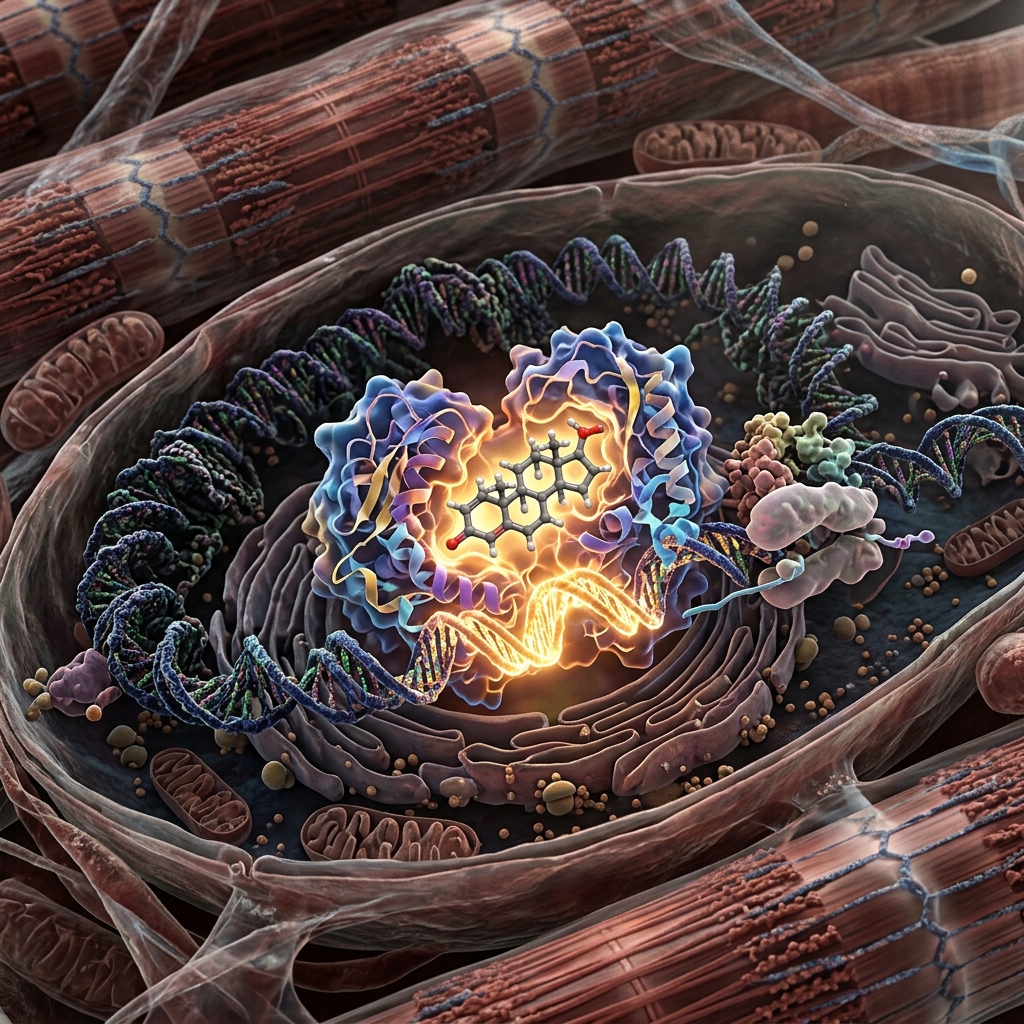
SARMs vs Steroids: Key Differences in Mechanisms
Systemic vs Selective Activation
The most profound divergence between steroids and SARMs lies in their activation pathways. As previously established, an anabolic steroid acts like a master key that opens every androgen receptor lock throughout the entire body. If a user administers a heavily androgenic steroid like Trenbolone or Masteron, they will invariably experience systemic effects: rapid protein synthesis in muscle tissue, but also heavy stimulation of sebaceous glands (leading to severe acne), acceleration of androgenic alopecia (hair loss), and enlargement of the prostate gland.
SARMs, conversely, act as customized keys designed to only turn the locks in muscle and bone. While the selectivity is not absolute (as higher dosages of SARMs begin to lose their tissue-specific nature and spill over into systemic androgenic effects), the targeted pathway significantly alters the user experience. A standard dose of a SARM will promote lean tissue accrual while exerting a drastically reduced impact on the prostate and hair follicles compared to an equivalent anabolic dose of a traditional steroid.
Hormone Conversion and Estrogen
A secondary, yet equally critical, mechanical difference involves enzymatic conversion. Natural testosterone and many synthetic anabolic steroids are subject to chemical alteration by enzymes in the human body. The aromatase enzyme can convert testosterone into estradiol (estrogen), leading to estrogenic side effects such as gynecomastia (breast tissue growth in males), severe water retention, and elevated blood pressure.
Furthermore, the 5-alpha-reductase enzyme converts testosterone into dihydrotestosterone (DHT), a highly potent androgen responsible for prostate enlargement and hair follicle miniaturization. Bodybuilders using traditional steroids frequently have to employ ancillary drugs, such as aromatase inhibitors (e.g., Arimidex) or 5-alpha-reductase inhibitors (e.g., Finasteride), to manage these enzymatic conversions.
Because most SARMs possess a non-steroidal structure, they do not serve as substrates for these enzymes. SARMs cannot be aromatized into estrogen, nor can they be 5-alpha-reduced into DHT. This lack of enzymatic conversion means users generally do not experience direct estrogenic side effects like extreme water retention, nor do they face the immediate DHT-driven assault on their hairline that accompanies many traditional steroid cycles.
Performance and Muscle Growth Outcomes
Muscle Hypertrophy and Strength Gains
When evaluating purely from the standpoint of performance enhancement and muscle hypertrophy, traditional anabolic steroids possess significantly greater potency. The systemic activation provided by injectable steroids—particularly when multiple compounds are stacked together—creates a biological environment capable of pushing muscle growth far beyond a human’s natural genetic limit. It is not uncommon for a user to experience 15 to 20 pounds of rapid weight gain during a standard 12-week steroid cycle, accompanied by exponential increases in muscular strength, glycogen retention, and overall power output.
SARMs, by contrast, yield much more modest, incremental gains. Because they selectively target specific tissues and avoid the massive systemic overload characteristic of steroids, the resulting muscle hypertrophy is typically cleaner but quantitatively lower. A user might expect to gain 3 to 8 pounds of lean, dry muscle tissue over an 8-week SARM cycle. The aesthetic produced by SARMs is often described as “dry” and vascular, primarily because of the lack of estrogen-driven water retention.
Predictability and Potency
Anabolic steroids have been extensively studied, used, and abused for over seven decades. The medical community, as well as the athletic subculture, possesses a deep, predictable understanding of how these drugs behave. The pharmacokinetics, half-lives, saturation rates, and expected outcomes of compounds like Testosterone Cypionate or Nandrolone Decanoate are heavily documented.
SARMs operate in a much greyer area. Due to their experimental status and the fact that most products are sold via the unregulated gray market, predictability is low. The potency of SARMs can vary wildly from one compound to the next. For instance, Ostarine is considered a mild agent suitable for preserving muscle during a caloric deficit, whereas RAD-140 exhibits a much stronger affinity for the androgen receptor, yielding greater strength gains but also carrying a higher risk profile.
Safety and Health Risks: Are SARMs Safer?
Common Side Effects of Steroids
The health risks associated with traditional anabolic steroid use are severe, well-documented, and potentially life-threatening. Prolonged exposure to supraphysiological androgen levels can lead to severe hormonal imbalances and systemic organ damage. Cardiovascular complications are paramount; steroid use directly induces left ventricular hypertrophy (enlargement of the heart), causes polycythemia (an overproduction of red blood cells leading to thick, viscous blood), and severely skews lipid profiles by crushing high-density lipoprotein (HDL) and elevating low-density lipoprotein (LDL).
Additionally, oral steroids are notoriously hepatotoxic. The 17-alpha alkylation required for oral bioavailability places immense metabolic stress on the liver, frequently resulting in elevated liver enzymes, cholestasis, and in severe cases, hepatic adenomas (liver tumors). Furthermore, exogenous steroid use causes a complete shutdown of the Hypothalamic-Pituitary-Gonadal (HPG) axis, leading to testicular atrophy and requiring extensive Post Cycle Therapy (PCT) to restore natural endocrine function.
The Hidden Dangers of SARMs
A dangerous misconception permeating the fitness industry is that SARMs are a completely safe, side-effect-free alternative to steroids. This is empirically false. While they may circumvent issues like prostate enlargement and heavy aromatization, SARMs carry their own unique health risks, many of which are only beginning to be understood in clinical settings.
One of the most alarming revelations regarding SARM usage is the potential for drug-induced liver injury. Despite early claims that SARMs bypass liver toxicity, recent case reports and medical literature have documented multiple instances of severe hepatocellular injury and jaundice in healthy young men consuming unregulated SARMs. Furthermore, SARMs have been shown to aggressively lower HDL cholesterol levels, posing a significant risk to long-term cardiovascular health if used recklessly.
Testosterone Suppression
Perhaps the most misunderstood aspect of SARMs is their impact on natural testosterone production. It is a biological law that introducing an exogenous androgen—even a selective one—will trigger a negative feedback loop within the HPG axis. The hypothalamus senses the presence of androgenic activity and signals the pituitary gland to halt the release of Luteinizing Hormone (LH) and Follicle-Stimulating Hormone (FSH).
While a mild SARM like Ostarine may only cause partial suppression of endogenous testosterone, stronger SARMs like LGD-4033 and RAD-140 can cause severe, sometimes near-total suppression of natural hormone production. Users who fail to recognize this risk and neglect proper Post Cycle Therapy protocols often experience debilitating symptoms of low testosterone post-cycle, including severe lethargy, loss of libido, erectile dysfunction, and depressive episodes.
Legal and Regulatory Status
FDA Approval and Medical Use
The legal demarcation between steroids and SARMs is stark. Anabolic steroids are classified as Schedule III controlled substances under the Anabolic Steroid Control Act. While it is a federal crime to possess or distribute them without a valid prescription, they do have legitimate, legally sanctioned medical applications. Endocrinologists routinely prescribe bioidentical testosterone to treat hypogonadism, delayed puberty, and muscle-wasting diseases resulting from HIV/AIDS.
Conversely, SARMs exist in a complex regulatory limbo. They are explicitly not approved by the FDA for human use. It is illegal to market or sell SARMs as dietary supplements. However, a loophole exists wherein these compounds are sold legally strictly as “research chemicals” not intended for human consumption. This lack of regulation means the SARM market is rife with contamination, under-dosing, and the mislabeling of toxic chemicals.
WADA and Anti-Doping Regulations
For competitive athletes, the distinction between steroids and SARMs is practically nonexistent in the eyes of regulatory bodies. Both traditional anabolic steroids and all known Selective Androgen Receptor Modulators are banned by the World Anti-Doping Agency (WADA). SARMs were added to WADA’s prohibited list in 2008 under the category of “Other Anabolic Agents.” Athletes tested by USADA or other anti-doping organizations will face severe suspensions and sanctions if any SARM metabolites are detected in their system.
Frequently Asked Questions (FAQ)
Are SARMs safer than traditional steroids?
SARMs are often perceived as safer due to their tissue selectivity, which minimizes androgenic side effects like prostate enlargement and hair loss. However, they are unapproved experimental drugs with unknown long-term risks. Current data shows they can cause significant liver injury, negative changes in cholesterol profiles, and heavy testosterone suppression. Therefore, labeling them as definitively “safe” is medically inaccurate.
Do SARMs require post-cycle therapy (PCT)?
Yes. Despite early internet myths, clinical evidence and bloodwork analysis demonstrate that SARMs suppress natural testosterone production by disrupting the Hypothalamic-Pituitary-Gonadal (HPG) axis. The degree of suppression depends on the specific compound and dosage, but a proper Post Cycle Therapy (PCT) using a Selective Estrogen Receptor Modulator (SERM) like Clomid or Nolvadex is generally required to restore endocrine function.
Are SARMs legal to buy for muscle building?
No. It is illegal to sell SARMs packaged as dietary supplements or muscle-building aids. The FDA strongly warns against their use. They are frequently sold online under the guise of “research chemicals not for human consumption” to exploit a legal loophole, making the consumer market highly unregulated and dangerous.
Will SARMs show up on a drug test?
Yes. SARMs will readily appear on tests administered by organizations following WADA (World Anti-Doping Agency) protocols. WADA has advanced testing methods designed specifically to detect SARM metabolites in urine samples. However, a standard pre-employment 5-panel or 10-panel drug test does not screen for performance-enhancing drugs, including SARMs.
Can SARMs cause hair loss like steroids?
Traditional steroids accelerate hair loss because they convert into DHT (dihydrotestosterone), which shrinks hair follicles in genetically predisposed individuals. Because SARMs do not convert to DHT, the risk of androgenic alopecia is significantly lower. However, some users still report hair shedding on high doses of potent SARMs like RAD-140, likely due to systemic androgenic spillover or hormonal fluctuations.
Get our latest guides, news, and insights highlighted in your Google Search & AI Overviews.