In the highly competitive world of fitness, athletics, and military preparation, the debate surrounding performance-enhancing drugs (PEDs) remains an extensive and controversial topic. Candidates rigorously preparing for military service frequently question the exact scope of the pre-enlistment medical evaluation. Specifically, does the Military Entrance Processing Station (MEPS) test for anabolic steroids? The straightforward clinical answer is that routine, mandatory drug screenings conducted at MEPS do not include specific diagnostic panels for anabolic-androgenic steroids (AAS). However, this absence of standard testing does not constitute a loophole or a free pass for prospective recruits.
The United States Department of Defense (DoD) employs a rigorous framework of physical examinations, comprehensive historical medical reviews, and specialized testing protocols designed to identify both substance abuse and underlying health anomalies. Understanding the intricacies of the military drug screening process requires a detailed examination of what the standard DoD urinalysis panel encompasses, the physiological markers of steroid use that MEPS physicians are specifically trained to detect, and the severe legal ramifications governed by the Uniform Code of Military Justice (UCMJ).
The utilization of synthetic testosterone derivatives, selective androgen receptor modulators (SARMs), and other unauthorized ergogenic aids presents significant medical, ethical, and disciplinary risks. This comprehensive clinical overview will dissect the exact nature of the MEPS medical screening, the scientific limitations and economic realities of steroid testing, and the profound implications of attempting to enter military service while utilizing banned pharmacological substances.
How Does the MEPS Drug Test Work?
The fundamental core of the substance abuse screening process for military applicants is the urinalysis. Every single individual processing through MEPS with the intention of entering active duty, the reserves, or the National Guard is subject to a mandatory, strictly monitored drug test. This specific test is typically administered within a narrow window—often within 72 hours of shipping out to basic training, as well as during the initial physical examination phase of recruitment. The overarching objective is to ensure that all military personnel meet the strict physical readiness and health standards mandated by the Defense Health Agency. The screening relies on highly calibrated biochemical immunoassays designed to detect specific metabolites associated with the most commonly abused illicit narcotics and controlled substances in the civilian population.
The Standard DoD Urinalysis Panel
The standard biochemical analysis utilized by the Department of Defense is engineered to be highly efficient, logistically scalable, and capable of processing thousands of samples daily from MEPS locations across the country. The military’s drug testing program has its origins in the Vietnam era but has evolved into a sophisticated, zero-tolerance infrastructure. When a urine specimen is collected at MEPS, it is securely sealed with tamper-evident tape and dispatched under a strict chain of custody to a certified military Forensic Toxicology Drug Testing Laboratory (FTDTL).
The primary screening mechanism employed is the enzyme multiplied immunoassay technique (EMIT). This automated process quickly identifies the presence of target drug metabolites. If an initial specimen yields a non-negative result, it does not immediately result in disqualification. Instead, the sample is subjected to a secondary, highly precise confirmatory test using advanced methodologies such as gas chromatography-mass spectrometry (GC-MS) or liquid chromatography-mass spectrometry (LC-MS). This mandatory two-tiered testing protocol effectively eliminates the possibility of false positives from legal medications or dietary anomalies, ensuring absolute clinical certainty before a candidate is disqualified for substance abuse. It is vital to note that the primary focus of this standard panel remains recreational narcotics, not steroidal hormones.
What Drugs Are Actually Tested For?
The specific chemical compounds targeted by the DoD urinalysis panel are periodically updated to reflect evolving trends in societal substance abuse and the emergence of novel illicit drugs. Currently, the standard biochemical screening for military entrants and active-duty personnel includes a comprehensive panel of highly addictive substances. The military utilizes specific nanogram-per-milliliter (ng/mL) cutoff thresholds to determine positive results, preventing incidental exposure from triggering a failure. The table below outlines the primary substance categories actively monitored during MEPS testing.
| Substance Category | Common Examples / Metabolites Tested | Clinical Notes & Detection Dynamics |
|---|---|---|
| Cannabinoids | Marijuana (THC), Delta-8, Synthetic Cannabinoids (Spice) | THC metabolites are highly lipid-soluble and possess a prolonged detection window, often remaining detectable for weeks in chronic users. |
| Stimulants | Amphetamines, Methamphetamine, MDMA (Ecstasy) | Screening is utilized to detect illicit central nervous system stimulation and non-prescribed neuro-enhancers. |
| Cocaine | Benzoylecgonine (primary cocaine metabolite) | Typically detectable for up to 72 hours post-ingestion, highly reliable via EMIT screening. |
| Opioids | Heroin, Morphine, Codeine, Oxycodone, Fentanyl | Screens for unauthorized use of prescription analgesics and highly addictive illicit narcotics. |
| Benzodiazepines | Alprazolam (Xanax), Diazepam (Valium), Lorazepam | Requires a valid, documented medical prescription if detected; otherwise considered a disqualifying substance abuse violation. |
It is medically critical to understand that the chemical and molecular structures of the substances listed above differ fundamentally from endogenous hormones and synthetic anabolic steroids. Immunoassays designed specifically to detect the benzoylecgonine metabolite of cocaine will absolutely not cross-react with a synthetic androgen like testosterone propionate or trenbolone acetate. Consequently, the standard, high-volume drug screening protocol utilized at MEPS is biochemically incapable of identifying the presence of performance-enhancing drugs.
The Collection Process at MEPS
The procedural integrity of the MEPS urinalysis is strictly enforced to prevent any attempts at adulteration, dilution, or substitution of the specimen. The collection process is conducted under direct, unblinking observation by designated MEPS personnel of the same sex. Candidates are required to provide a specific, measurable volume of urine directly into a sterile collection cup. Prior to the test, applicants are typically instructed to consume adequate hydration, but extreme water loading—often attempted by individuals trying to flush their system—can result in a diagnostically dilute sample. A dilute sample is not accepted and typically necessitates a mandatory retest, delaying processing.
The chain of custody is meticulously documented from the moment the sample leaves the applicant’s hand until it reaches the FTDTL. Any attempt by a recruit to introduce synthetic urine, external masking agents, or utilize a concealed delivery device is considered a severe act of fraudulent enlistment. Such an offense results in immediate cessation of processing and a permanent, non-waivable disqualification from any branch of military service.
Does MEPS Test for Steroids Routinely?
Despite persistent rumors, gym-floor mythology, and intense apprehension among fitness-focused applicants, the routine urinalysis conducted at MEPS does not include a diagnostic panel for anabolic-androgenic steroids. This administrative and medical policy is emphatically not an endorsement or silent acceptance of PED use within the ranks; rather, it is a practical reality dictated by the profound physiological complexities of hormone testing, the astronomical financial costs associated with specialized laboratory assays, and the statistical prevalence of steroid abuse compared to recreational drug use among the general civilian applicant pool.
Cost and Complexity of Steroid Testing
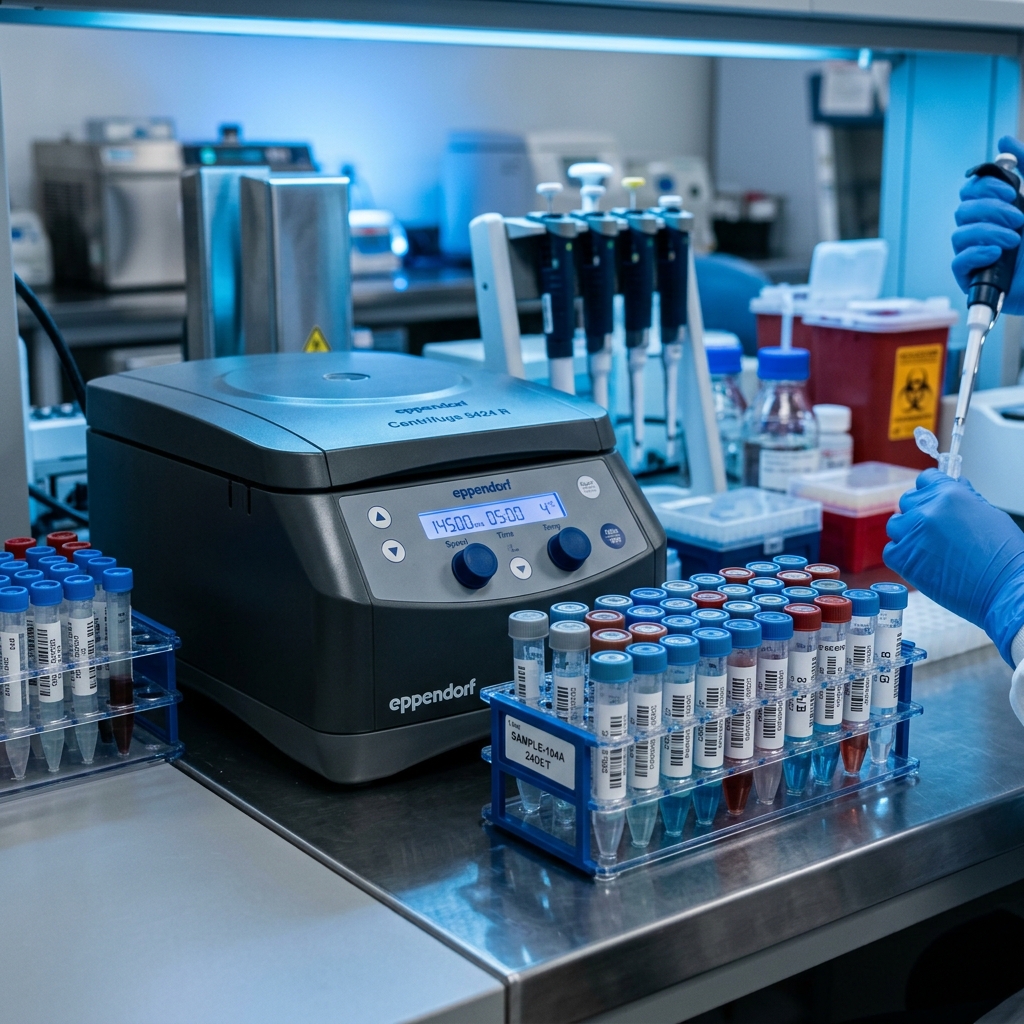
Testing for exogenous anabolic steroids is a profoundly complex and resource-intensive biochemical endeavor. Unlike testing for THC, where a standard, low-cost immunoassay can instantly detect the presence of a single, highly distinct primary metabolite, steroid screening requires the laboratory to chemically differentiate between naturally occurring (endogenous) hormones and synthetically introduced (exogenous) derivatives. The human endocrine system naturally produces varying levels of testosterone, meaning a simple, binary test indicating the presence of testosterone is clinically useless for diagnostic purposes.
To definitively identify steroid use, laboratories often first conduct a Testosterone to Epitestosterone (T/E) ratio test. While the normal human ratio is roughly 1:1, a ratio exceeding 4:1 is a primary clinical indicator of exogenous hormone administration. If the T/E ratio is flagged, the laboratory must then conduct a sophisticated, highly expensive Carbon Isotope Ratio (CIR) mass spectrometry test. The CIR test analyzes the atomic mass of the carbon isotopes within the testosterone molecule; synthetic testosterone, derived from plant sterols like soy or yams, possesses a distinct carbon isotope signature compared to cholesterol-derived endogenous testosterone.
Furthermore, there are hundreds of distinct anabolic compounds, designer steroids, and esterified testosterone variants, each requiring specific testing methodologies and updated laboratory reference standards. The financial burden of subjecting every single military applicant to comprehensive, WADA-style (World Anti-Doping Agency) steroid screening would be exorbitant. While a standard DoD immunoassay panel costs a fraction of a dollar per recruit, comprehensive mass spectrometry for PEDs can cost several hundred dollars per individual sample. Given the tens of thousands of recruits processed annually, blanket steroid testing is fiscally unjustifiable for initial screening. For further insights into the biochemical complexities of these compounds, the NIDA on Anabolic Steroids provides comprehensive clinical data and historical context.
Probable Cause and Commander-Directed Testing
The absence of routine testing does not grant immunity to the applicant. Under the Army drug testing guidelines, MEPS medical officers, and later, military commanders, retain the undisputed authority to order a specialized urinalysis or comprehensive blood draw based entirely on “probable cause.” If a MEPS physician conducting the mandatory physical examination observes distinct clinical indicators of anabolic steroid use, they may halt the enlistment process immediately.
These clinical red flags include profound muscular hypertrophy disproportionate to the applicant’s skeletal frame, severe cystic acne (particularly on the back and shoulders), disproportionate deltoid and trapezius development, male pattern baldness uncharacteristic for the applicant’s age, or gynecomastia (the abnormal development of mammary tissue in males resulting from estrogenic aromatization of excess testosterone). If these symptoms are noted, the physician can mandate a targeted endocrine panel before allowing the applicant to proceed. Furthermore, if an applicant voluntarily discloses the use of PEDs during medical questioning, or if law enforcement background checks reveal prior possession charges related to controlled substances, a specialized GC-MS steroid test will likely be administered as a condition of medical clearance.
Consequences of Steroid Use in the Military
The military’s institutional stance on performance-enhancing drugs is unequivocal and strictly enforced. The unauthorized possession, use, distribution, or introduction of anabolic steroids without a valid, documented medical prescription from a licensed physician is strictly prohibited. The ramifications of violating these regulations extend far beyond a simple administrative disqualification at MEPS; they encompass severe punitive legal actions that can permanently derail a military career and severely impact subsequent civilian life.
UCMJ and Illegal Substance Policies
Anabolic steroids are legally classified as Schedule III controlled substances under federal law in the United States. In the military context, they are governed aggressively by Article 112a of the Uniform Code of Military Justice (UCMJ). Article 112a explicitly and comprehensively prohibits the wrongful use, possession, manufacture, or distribution of controlled substances.
A service member—or an applicant who fraudulent enlists while utilizing these substances—found guilty of violating this article faces a formal court-martial. The disciplinary actions associated with Article 112a are not merely administrative reprimands; they are severe federal offenses. Utilizing steroids to artificially enhance physical fitness test scores, circumvent natural fatigue, or alter combat readiness is viewed as fundamentally incompatible with military ethics, unit cohesion, and the core operational values of the armed forces.
Medical Disqualifications and Waivers
During the MEPS physical, applicants are legally required to disclose their complete and unvarnished medical history on official government forms. Failing to disclose prior or current steroid use constitutes an act of fraudulent enlistment. From a strictly clinical perspective, long-term steroid abuse can induce significant physiological damage that renders a candidate unfit for military service. These complications include profound hepatotoxicity (liver damage or failure), left ventricular hypertrophy (pathological enlargement of the heart muscle), severe dyslipidemia (drastically lowered HDL cholesterol and elevated LDL cholesterol), and severe, sometimes irreversible suppression of the hypothalamic-pituitary-gonadal (HPG) axis.
These medical conditions are inherently disqualifying for military service, as they critically compromise a recruit’s ability to withstand the extreme physical, cardiovascular, and psychological stressors of basic training and subsequent combat deployments. If a candidate requires ongoing medical intervention due to steroid-induced secondary hypogonadism, they will be medically disqualified. While the military does utilize a waiver process for certain manageable medical conditions, waivers for a history of illicit Schedule III substance abuse, or the lingering endocrine damage caused by it, are exceedingly rare and subject to rigorous, skeptical scrutiny by the command surgeon general.
Long-Term Career Impact and Dishonorable Discharge
If an individual somehow manages to bypass the initial MEPS screening while actively using or possessing steroids, the risk of detection remains exceptionally high throughout their entire military career. Random, unit-wide drug testing, while generally focused on recreational narcotics, can be specifically and rapidly augmented to include PED screening if a commander suspects steroid use within their ranks. Furthermore, the harsh physical environments of military training often expose the underlying health complications arising from undisclosed steroid use, such as sudden cardiovascular incidents, severe muscle cramping, or debilitating endocrine crashes during extended field training exercises. Such medical emergencies will inevitably trigger comprehensive medical and legal investigations.
Service members caught using or distributing anabolic steroids face immediate administrative separation or court-martial proceedings. This frequently results in an Other Than Honorable (OTH) or, in severe cases, a Dishonorable Discharge. Such characterizations of military service are catastrophic; they legally strip the individual of critical veteran benefits, including the Post-9/11 GI Bill, VA home loan eligibility, and comprehensive lifetime medical coverage. Furthermore, a dishonorable discharge acts as a permanent federal felony conviction on the individual’s civilian record, severely limiting future employment opportunities in both the public and private sectors.
Performance Enhancing Drugs (PEDs) vs. Permitted Supplements
The modern dietary supplement industry is notoriously fraught with misleading marketing, proprietary blends, and obscured ingredient profiles. Many well-meaning candidates unknowingly ingest banned or dangerous substances disguised as legitimate pre-workout supplements, testosterone boosters, or fat burners. It is absolutely critical for military applicants to understand the clinical and regulatory distinctions between benign dietary supplements and prohibited pharmacological agents.
Pre-Workouts and Over-the-Counter Supplements
Standard over-the-counter dietary supplements, such as whey protein isolate, creatine monohydrate, branched-chain amino acids (BCAAs), and legal pre-workout formulas containing standard stimulants like caffeine and beta-alanine, are fully permitted by all branches of the military. These substances do not trigger false positives on the standard DoD urinalysis and are not regulated under the UCMJ. However, because supplements are regulated under the Dietary Supplement Health and Education Act (DSHEA) of 1994, the FDA does not test them for safety or efficacy prior to market release.
Because of this lack of regulation, the Operation Supplement Safety (OPSS) initiative managed by the DoD consistently warns service members about the pervasive dangers of adulterated supplements. Products aggressively marketed as “hardcore,” “extreme,” or “test-boosting” may contain undisclosed, illegal stimulants like DMAA (1,3-dimethylamylamine) or trace amounts of designer prohormones. Ingestion of these tainted products can lead to adverse medical events, severe cardiovascular distress during physical training, or unexpected urinalysis failures. Applicants and active-duty personnel are strongly advised to utilize only products clearly certified by reputable third-party testing organizations such as NSF International Certified for Sport or Informed-Choice.
SARMs, Peptides, and Prohormones
A significant area of regulatory confusion and risk involves Selective Androgen Receptor Modulators (SARMs) such as Ostarine (MK-2866), Ligandrol (LGD-4033), and RAD-140, as well as synthetic therapeutic peptides like BPC-157 or growth hormone secretagogues like MK-677. These compounds are frequently marketed online via a legal loophole as “research chemicals not for human consumption” or falsely presented as legal, safe alternatives to traditional steroids. From a strict military regulatory standpoint, SARMs and unregulated peptides are absolutely prohibited.
The DoD firmly classifies these substances as unapproved and potentially dangerous pharmacological drugs. While SARMs are not currently included in the standard MEPS EMIT immunoassay, they share the exact same legal and medical disqualification criteria as traditional injectable anabolic steroids. Furthermore, emerging clinical evidence definitively demonstrates that prolonged SARM usage can cause severe endogenous testosterone suppression, significant lipid profile skewing, and notable hepatotoxicity—biological anomalies that may be readily detected during routine MEPS blood work or subsequent military physicals.
Prescription TRT (Testosterone Replacement Therapy)
Testosterone Replacement Therapy (TRT) presents a highly complex medical scenario for potential recruits. TRT is a legitimate, clinically prescribed, and FDA-approved treatment for males suffering from diagnosed, medically documented hypogonadism. However, joining the military while actively requiring exogenous testosterone administration is exceptionally difficult and, in the vast majority of cases, prohibitive.
The military’s stringent medical readiness standards require all active-duty personnel to be universally deployable to austere, combat environments worldwide. In these environments, reliable access to consistent medical care, temperature-controlled pharmaceutical refrigeration, and sterile injection supplies cannot be guaranteed. Therefore, a physiological reliance on regular testosterone injections, transdermal gels, or subcutaneous pellets is generally a disqualifying medical condition for initial entry into the armed forces.
An applicant undergoing legitimate TRT would require an extensive, time-consuming medical waiver process. This process demands comprehensive endocrinological documentation proving an underlying organic pathology (such as primary testicular failure or a pituitary adenoma) rather than self-induced, secondary hypogonadism resulting from prior illicit PED abuse. This documentation must then be reviewed and approved by the highest levels of the military medical command. In practical reality, applicants heavily dependent on TRT are frequently medically disqualified from processing through MEPS due to the insurmountable logistical challenges of wartime deployment.
How to Prepare for the MEPS Medical Examination
The Military Entrance Processing Station is a strict, highly controlled, and regimented environment designed specifically to comprehensively assess physiological readiness and medical history accuracy. The process often involves an overnight hotel stay, an extremely early morning wake-up, and a battery of tests including breathalyzers, vision screening, and auditory evaluations. The most critical component of preparation for any applicant is comprehensive transparency and a thorough understanding of the clinical evaluations that will occur.
Honesty in Medical Questionnaires
Prior to arriving at MEPS, candidates are required to complete an exhaustive medical prescreening questionnaire (often the DD Form 2807-2). It is a serious federal offense to knowingly conceal, falsify, or omit medical history on this official government document. If an applicant has a history of anabolic steroid use, hormone replacement therapy, or any associated endocrine treatments, they must disclose it. While this disclosure may necessitate additional medical documentation, specialized endocrinology consultations, or complex waiver applications, concealing the information constitutes fraudulent enlistment.
Recruiters may sometimes apply pressure to omit “minor” medical details to expedite processing, but the ultimate legal and disciplinary liability rests entirely on the applicant. If the concealment of prior steroid use is discovered later—either through sudden medical complications during basic training or via subsequent background investigations for security clearances—the consequences are far more severe than an initial, honest disqualification at MEPS.
Blood Work and Physical Screening
The MEPS medical examination is incredibly thorough and unforgiving. While the urinalysis primarily screens for recreational drugs, the physical examination and accompanying blood work are specifically designed to detect systemic, underlying health issues. The medical staff meticulously evaluates cardiovascular function, auditory and visual acuity, musculoskeletal integrity, and neurological reflexes. Crucially, the attending physician conducts a comprehensive physical inspection that can reveal the lingering clinical stigmata of PED use.
During the examination, applicants undergo an orthopedic evaluation (colloquially known as the “duck walk”) to test joint mobility and muscular function. Extreme muscular rigidity resulting from heavy androgen use can impair the flexibility required to pass this evaluation. Furthermore, physicians actively check for abnormal blood pressure readings, significant dermatological issues (like severe cystic acne or extensive striae/stretch marks indicative of rapid, unnatural tissue growth), and glaring signs of endocrine disruption such as profound testicular atrophy or gynecomastia.
The mandatory blood draw at MEPS, while primarily screening for infectious diseases such as HIV and RPR (syphilis), can also reflect underlying toxicological issues. For example, steroid abuse often causes profound, long-lasting dyslipidemia and elevated liver enzymes (AST and ALT). If a MEPS physician identifies these biological markers alongside physical symptoms, they possess the full authority to halt the enlistment process and mandate comprehensive endocrine, hepatic, and lipid workups, effectively neutralizing any attempt to bypass the medical screening system.
Frequently Asked Questions About Military Drug Testing
Does MEPS do blood tests for steroids?
Routine MEPS processing does not include direct blood tests for anabolic steroids. The standard MEPS blood draw is specifically designed to screen for infectious diseases like HIV and syphilis, and occasionally to evaluate basic metabolic functions. However, if the examining physician observes clinical signs of steroid abuse (such as gynecomastia, severe acne, testicular atrophy, or abnormal blood pressure), or if the applicant discloses prior usage, the medical officer possesses the authority to order a targeted, comprehensive blood panel or Carbon Isotope Ratio (CIR) urinalysis to detect exogenous hormones.
Are SARMs allowed in the military?
No, Selective Androgen Receptor Modulators (SARMs) are strictly prohibited in all branches of the United States military. Despite being frequently marketed on the civilian internet as dietary supplements, legal alternatives, or “research chemicals,” the Department of Defense explicitly classifies them as unapproved, potentially dangerous performance-enhancing drugs. Their use, possession, or distribution directly violates military policy and can result in severe disciplinary action, immediate medical disqualification, or administrative separation.
What happens if you get caught with steroids in the military?
Being caught utilizing, possessing, or distributing anabolic steroids without a valid, military-approved medical prescription is a direct violation of Article 112a of the Uniform Code of Military Justice (UCMJ). The consequences are extraordinarily severe and can include a federal court-martial, reduction in rank, forfeiture of military pay, confinement in a military prison, and administrative separation frequently resulting in an Other Than Honorable (OTH) or Dishonorable Discharge. A dishonorable discharge permanently revokes critical veteran benefits such as the GI Bill and VA loans, and remains on a permanent federal criminal record.
Can I join the military on TRT?
Joining the military while actively prescribed Testosterone Replacement Therapy (TRT) is highly improbable and generally constitutes a disqualifying condition. Military medical readiness standards absolutely require all personnel to be universally deployable to austere, hostile environments where access to sterile needles, refrigeration, and consistent pharmaceutical resupply is entirely impossible. While medical waivers technically exist for various conditions, requiring exogenous testosterone for normal endocrine function typically precludes a candidate from passing the rigorous initial entry medical standards at MEPS.
Does the military test for testosterone levels?
The standard DoD urinalysis panel and the initial MEPS medical screening do not routinely measure circulating testosterone levels or conduct comprehensive endocrine panels due to cost and logistical constraints. However, testosterone levels can and absolutely will be tested if a medical officer orders a “for cause” evaluation based on suspected illicit steroid use or obvious clinical symptoms of endocrine disruption. Furthermore, active-duty personnel may have their hormone levels meticulously evaluated during specialized medical screenings or if attempting to qualify for certain elite special operations units.
Do Special Operations Forces Get Tested for Steroids?
Yes. While conventional military forces rely heavily on the standard DoD urinalysis panels, elite tier units such as Navy SEALs, Army Rangers, Special Forces (Green Berets), and Air Force Pararescue operate under drastically stricter medical, operational, and performance guidelines. Due to the extreme physical demands and the incredibly high stakes of their operational environments, the military has increasingly implemented targeted PED testing protocols for special operations candidates and active operators. This ensures that their high-level performance is biologically sustainable, legal, and fully compliant with all UCMJ regulations.
How Long Do Steroids Stay in Your System?
The detection window for anabolic steroids varies drastically depending on the specific chemical compound, the ester attached to it, the dosage, and the method of administration. Oral steroids, which lack esters and have shorter biological half-lives, may clear the system within several weeks. Conversely, oil-based injectable steroids formulated with long, heavy esters (such as Nandrolone Decanoate, boldenone undecylenate, or Testosterone Cypionate) can remain detectable in advanced mass spectrometry tests for up to 18 months post-injection. If a “probable cause” GC-MS or CIR test is ordered by military medical personnel, the sophisticated laboratory analysis is highly likely to detect residual metabolites of these long-ester compounds long after the user has ceased administration.
Get our latest guides, news, and insights highlighted in your Google Search & AI Overviews.