Have you ever watched competitors fly up the Salmon Ladder on American Ninja Warrior and wondered, “Are they all natural?” With bulging biceps, seemingly endless stamina, and insane grip strength on display, fans frequently question whether the hit reality television show screens its athletes for performance-enhancing drugs (PEDs). The reality behind the scenes of television’s toughest obstacle course might surprise you. As the sport of obstacle course racing continues to evolve from niche television entertainment to a globally recognized athletic endeavor, the question of the American Ninja Warrior drug policy has never been more relevant to both fans and aspiring competitors.
While traditional professional athletes are subjected to rigorous anti-doping protocols, the landscape of reality TV operates under an entirely different set of rules. When individuals accomplish superhuman feats of agility and strength, it is a natural human tendency to question the clinical boundaries of natural human performance. Obstacles that demand extreme explosive power and localized muscle endurance frequently lead viewers to suspect the use of ninja athlete steroids. However, understanding the exact legal, medical, and structural framework of the show is crucial to determining the factual perspective.
This comprehensive analysis will explore the truth about drug testing on American Ninja Warrior, the potential motivations for ninja athletes to use steroids, the inherent medical risks of performance-enhancing drugs in obstacle course racing, and how emerging professional ninja leagues are pushing for standardized anti-doping measures. By examining the clinical facts, biomechanical realities, and the regulatory frameworks governing sports entertainment, we aim to provide an objective, educational assessment of PEDs in the modern ninja community.
Does American Ninja Warrior Actually Drug Test?
The short and most direct answer to the prevailing question regarding the American Ninja Warrior drug policy is no: the television show does not conduct formal, routine drug testing for performance-enhancing drugs. To understand why an athletic competition of this magnitude lacks a PED screening protocol, one must look clinically and legally at how the production is structurally classified and governed.
The Reality TV Loophole
Unlike Major League Baseball, the National Football League, or international Olympic events, American Ninja Warrior is not governed by a traditional sporting commission. Instead, it is classified fundamentally as sports entertainment and reality television. Because it operates within the realm of entertainment television rather than as a legally sanctioned professional sport, the production company and the broadcasting network are not legally obligated to comply with the stringent anti-doping regulations set forth by independent organizations like the U.S. Anti-Doping Agency (USADA).
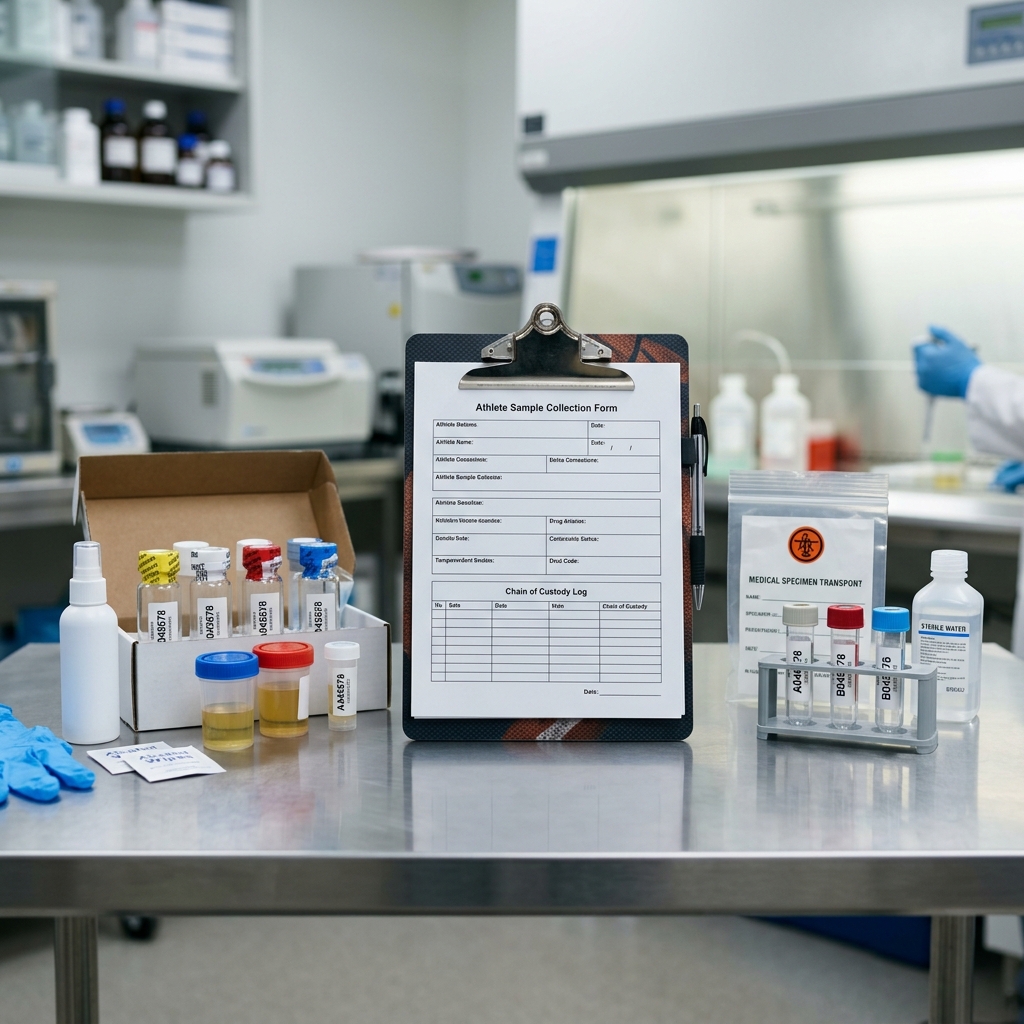
This “reality TV loophole” means that the policing of PEDs in reality TV is not governed by the same ethical and legal frameworks that dictate traditional athletics. For television producers, implementing a comprehensive drug testing program would introduce massive logistical complexities and prohibitive financial costs. Testing thousands of regional applicants, walk-on competitors, and elite veterans for a broad spectrum of anabolic steroids, peptides, diuretics, and other banned substances would require specialized anti-doping laboratories and strict chain-of-custody protocols. The logistics of implementing this across multiple city qualifiers nationwide would be a monumental administrative burden.
Furthermore, identifying positive tests could lead to the disqualification of highly marketable, fan-favorite competitors. From a purely entertainment perspective, doing so would jeopardize viewer ratings and the inspirational narrative arcs that are carefully constructed by the show’s producers. Until legal mandates explicitly require entertainment productions to enforce anti-doping laws, reality television shows will generally avoid self-imposing such complex and costly regulations.
ANW Eligibility and Medical Screenings
While there is no explicit test for anabolic steroids or exogenous testosterone, this does not mean competitors are completely unmonitored regarding their physical health. The ANW medical clearance process is highly rigorous, though its primary focus is on liability mitigation and establishing baseline cardiovascular health rather than active anti-doping enforcement.
Before any competitor is legally allowed to step onto the starting block and attempt the course, they must undergo comprehensive medical screenings conducted by licensed medical professionals. These physicals typically include detailed electrocardiograms (EKGs), continuous blood pressure monitoring, extensive family medical histories, and general health questionnaires designed to identify underlying heart conditions, joint instability, or other medical issues that could result in acute, life-threatening emergencies on the course. The network’s medical team is exclusively tasked with ensuring that individuals are healthy enough to withstand the immense physical and psychological stress of the obstacle course, not with policing their natural endocrine profiles.
If a competitor’s medical screening reveals severe clinical abnormalities—such as unmanaged hypertension, severe cardiac arrhythmias, or critical liver enzyme elevations (which, clinically speaking, can occasionally serve as secondary indicators of oral anabolic steroid use)—the medical staff maintains the authority to deny medical clearance based purely on associated health risks. However, this is fundamentally a safety precaution rather than a punitive anti-doping measure. Unless a competitor explicitly discloses the illegal use of controlled substances in a manner that directly violates a conduct or morality clause embedded within their television contract, they are not systematically barred from competing solely due to the absence of a formal PED testing framework.
Why Would Ninja Competitors Use Steroids?
When discussing the theoretical application of ninja athlete steroids, a common misconception among the general public is that PED use automatically equates to massive, hulking bodybuilder physiques. In the highly specific biomechanical context of obstacle course racing, the pharmacological goals would be vastly different. If a ninja competitor were to utilize exogenous hormones or synthetic peptides, the objective would not be unchecked muscle hypertrophy, but rather enhanced muscular recovery, accelerated connective tissue repair, and highly specific localized strength improvements.
Grip Strength and Accelerated Recovery
The physiological demands of American Ninja Warrior are uniquely grueling and systematically punishing. Competitors are often required to film their respective runs in the middle of the night, sometimes waiting in holding tents until 3:00 AM or 4:00 AM before tackling the course under intense studio lighting. This severe sleep disruption, combined with the extreme neurological and muscular exertion required to navigate complex obstacles, places immense systemic strain on both the central nervous system and the musculoskeletal system.
In this high-stress environment, some individuals might hypothesize clinically that the use of specific anabolic agents or regenerative peptides could offer a tangible advantage in the form of drastically accelerated recovery timelines. Compounds that increase red blood cell count, enhance oxygen delivery to localized muscle tissue, or improve nitrogen retention can theoretically allow an elite athlete to train at maximum intensity more frequently with significantly reduced downtime. Furthermore, injuries are ubiquitous in the competitive ninja community, particularly regarding avascular connective tissue. Chronic tendinitis, severe pulley ligament tears in the fingers, and acute rotator cuff strains are prevalent medical issues among top competitors. Certain specialized PEDs and synthetic growth hormone secretagogues are clinically documented to accelerate collagen synthesis and tissue healing, which could be highly appealing to a competitor desperately attempting to rehabilitate a torn bicep tendon just weeks prior to a major televised city qualifier.
Additionally, the concept of utilizing grip strength performance enhancing drugs is highly complex. While anabolic steroids do not directly build “grip” as an isolated function, the overall physiological increase in neurological drive, aggression, and forearm musculature density can indirectly contribute to sustained hanging endurance. However, the exact clinical efficacy of these highly specific substances for the dynamic, highly technical grip strength required on advanced obstacles like the Cliffhanger or the Ultimate Cliffhanger remains scientifically debated within sports medicine circles.
The Drawback of Extra Muscle Mass
Despite the theoretical recovery benefits and expedited tissue healing, the uncalibrated use of traditional anabolic steroids poses a severe, often insurmountable biomechanical disadvantage for elite ninja competitors. Obstacle course racing is a sport fundamentally governed by the strict laws of physics, specifically relying on an optimized strength-to-weight ratio. Every additional pound of body weight—even if it is comprised of pure, functional lean muscle mass—exponentially increases the gravitational force pulling the athlete downward during sustained hanging obstacles.
This biomechanical reality is precisely why massive bodybuilders, elite powerlifters, and heavily muscled cross-training athletes historically struggle significantly on American Ninja Warrior. While a professional bodybuilder may possess the absolute raw strength required to deadlift over 600 pounds, their relative strength is often severely compromised by their overall mass. Obstacles like the Warped Wall, the Jumping Spider, and the infamous Salmon Ladder heavily require explosive plyometric power and the precise ability to propel one’s body weight through open space efficiently. Unnecessary muscle hypertrophy, particularly localized in the lower body or lower back, acts as biomechanical dead weight that the upper body musculature and delicate finger grip must continually sustain against gravity.
Therefore, a competitor haphazardly utilizing heavy doses of aromatizing steroids that cause significant water retention and rapid, uncalibrated muscle weight gain would almost certainly see a rapid, measurable decline in their actual course performance. If PEDs are actively used in this specific athletic subculture, clinical evidence suggests they are far more likely to be utilized in micro-doses or by relying on specific non-hypertrophic compounds, heavily mimicking the covert doping protocols seen in professional endurance sports, cycling, and elite rock climbing, rather than the mass-building protocols utilized in professional open-weight bodybuilding.
How Ninja Leagues Compare to Traditional Sports
While American Ninja Warrior operates strictly as highly produced television entertainment, the actual athletic sport of obstacle course racing (OCR) has expanded exponentially far beyond the confines of network television broadcasts. Independent, highly competitive ninja leagues have emerged globally, and their structural approach to athletic integrity, competitive fairness, and medical safety differs significantly from their reality TV counterparts.
USADA and WADA Standards
To fully understand the rapidly shifting landscape of ninja athletics, it is essential to actively contrast un-regulated reality television with the stringent standards enforced by international governing bodies like the World Anti-Doping Agency (WADA). WADA is the supreme international independent agency explicitly responsible for promoting, coordinating, and rigorously monitoring the ongoing fight against clinical doping in sport in all its global forms. Their medical protocols involve randomized, completely unannounced out-of-competition testing, strict chain-of-custody urine and blood sampling procedures, and the sophisticated implementation of the Athlete Biological Passport (ABP), a clinical tool which longitudinally monitors select biological variables over time that indirectly reveal the physiological effects of doping.
The institutional push for WADA obstacle course racing standards is aggressively gaining momentum as the sport actively attempts to legitimize itself on the global athletic stage. Discussions regarding the active implementation of USADA ninja testing protocols are beginning to circulate heavily among elite, top-tier competitors who desperately wish to see the sport officially recognized by the International Olympic Committee (IOC). For any emerging sport to successfully achieve official Olympic status, it must be overseen by a universally recognized international governing body that strictly and unconditionally adheres to the World Anti-Doping Code. This non-negotiable legal requirement creates a stark, undeniable dividing line between television entertainment spectacles and heavily sanctioned international athletic championships.
The Shift Toward Testing: USA Ninja and UNAA
Recognizing the critical need for standardized competitive fairness and clinical athletic integrity, organizations deeply embedded within the sport are actively evolving their frameworks. The USA Ninja Association and the Ultimate Ninja Athlete Association (UNAA) strongly represent the competitive athletic core of the community, actively organizing regional, national, and high-level international championships that operate entirely independently of NBC’s television production oversight.
As these independent professional leagues mature, the clinical implementation of UNAA anti-doping policies has become a major internal talking point among athletes and organizers alike. While comprehensive, WADA-compliant testing at the local grassroots level remains financially prohibitive for most regional gyms, the elite championship tiers are increasingly exploring viable partnerships with independent drug-testing agencies. By firmly establishing baseline regulations regarding medically banned substances, these leagues aim to fundamentally protect the long-term health of their athletes and ensure a completely level playing field. This ongoing organizational shift demonstrates a clear, undeniable desire within the core ninja community to firmly elevate their discipline from a televised spectacle to a legitimate, highly regulated professional sport.
Health Risks of PEDs in Obstacle Course Racing
Beyond the philosophical and ethical debate surrounding competitive fairness, the clinical medical reality is that the unprescribed use of performance-enhancing drugs carries severe, potentially life-threatening physiological risks. For an elite athlete violently navigating a high-impact, physically traumatic obstacle course, the artificial introduction of exogenous hormones can paradoxically increase the statistical likelihood of suffering a catastrophic, career-ending injury.
Tendon Tears and Joint Strain
One of the most heavily documented clinical dangers of anabolic steroid use in dynamic, plyometric sports is the disproportionate strengthening of muscle tissue relative to its underlying connective tissue. According to extensive clinical research on the health risks of anabolic steroids, these synthetic compounds can rapidly trigger extreme muscle hypertrophy and force generation. However, tendons and ligaments, which are largely avascular (meaning they lack a robust, direct blood supply), physiologically adapt and strengthen at a fraction of the rate of skeletal muscle.
During a typical, high-level ninja run, athletes routinely subject their bodies to extreme eccentric loading. When a competitor forcefully drops from one overhead bar to another, their shoulder capsule, primary bicep tendons, and delicate finger pulleys must instantly absorb, stabilize, and decelerate their entire body weight in a fraction of a second. If an athlete has utilized specific PEDs to artificially inflate their muscle power and overall mass, their connective tendons may simply not possess the requisite tensile strength necessary to physically withstand the sudden, immense force generated by the hypertrophied muscle bellies. This critical biomechanical mismatch frequently leads to sudden, catastrophic tissue ruptures, such as violently torn pectorals, fully detached biceps, and severe ligament avulsions. The very pharmacological substances taken to artificially enhance performance can ultimately and violently end an athlete’s career on a single dynamic obstacle.
Cardiovascular Risks Under Extreme Stress
The cardiovascular demands of elite obstacle course racing are exceptionally high. A typical competitive run involves intense, sustained anaerobic bursts of maximal energy heavily intertwined with prolonged aerobic endurance, often violently pushing the athlete’s heart rate dangerously near its absolute physiological maximum. When factoring in the extreme adrenaline dump of competing under bright television lights, amidst blaring alarms and roaring crowds, the acute cardiac stress is profound and clinically significant.
The Centers for Disease Control and Prevention (CDC) and various prestigious medical institutions have consistently and repeatedly warned against the severe cardiovascular consequences of anabolic steroid abuse. The introduction of exogenous testosterone and highly synthetic oral derivatives can rapidly lead to severe left ventricular hypertrophy (the pathological, abnormal thickening of the heart’s primary pumping muscle), highly adverse alterations in blood lipid profiles (drastically decreased HDL and simultaneously increased LDL cholesterol), and chronically elevated baseline blood pressure. Furthermore, certain anabolic compounds can dangerously increase total blood viscosity by artificially elevating red blood cell counts, thereby drastically increasing the immediate clinical risk of thrombosis, strokes, and blood clots.
Subjecting a pharmacologically altered, hyper-stressed cardiovascular system to the extreme physiological demands of a ninja course dramatically increases the statistical risk of experiencing acute cardiac events. Severe arrhythmias, myocardial infarctions (heart attacks), and dangerous hypertensive crises are highly legitimate medical concerns. The mandated ANW medical clearance process is designed in part to clinically screen for these very cardiac anomalies, inherently highlighting the severe physiological incompatibility between unmonitored PED use and the necessary safety requirements of extreme obstacle racing.
The Future of Drug Testing in Ninja Sports
As the barrier between highly produced reality television and sanctioned, competitive athletics continues to organically blur, the long-term trajectory of anti-doping regulations in ninja sports finds itself at a fascinating and critical crossroads. The broader athletic community is watching closely to see exactly how both television network producers and international sports federations navigate this highly complex medical and legal issue.
Will ANW Ever Implement Testing?
In the immediate, foreseeable future, it is highly unlikely that American Ninja Warrior will voluntarily pivot to a strict, comprehensive USADA-style drug testing protocol. The immense financial burden, logistical hurdles of nationwide testing, and the massive potential for damaging negative publicity surrounding officially failed tests create a highly strong disincentive for the broadcast network. The television show’s primary objective remains character storytelling, mass entertainment, and inspiring viewers through incredible physical feats, rather than ensuring pristine, clinical athletic integrity.
Unless there is a sudden, drastic legislative shift in federal regulations regarding reality television competition standards, or a severe, high-profile medical incident directly linked to PED abuse on the actual course that legally forces a massive liability reassessment, the American Ninja Warrior drug policy will likely remain heavily focused on baseline preventative health clearances rather than active anti-doping enforcement. Competitors will likely continue to be bound solely by standard medical safety checks and behavioral contracts, leaving the strict policing of athletic integrity to the individual athletes’ internal moral compasses.
The Olympic Push for Obstacle Sports
The most historically significant catalyst for systemic change in the ninja community comes not from television networks, but from the highest levels of the international athletic community. The sport is currently undergoing a massive, unprecedented structural transformation. The Modern Pentathlon, a deeply historic and foundational Olympic event, has officially voted to permanently replace its traditional equestrian show jumping discipline with an intensely physical obstacle course racing segment. This structural decision represents a truly monumental milestone: the formal integration of obstacle sports Olympics formats into the absolute highest echelon of global athletic competition.
This integration fundamentally and permanently alters the athletic landscape. Any aspiring athlete hoping to compete in the new obstacle discipline of the Modern Pentathlon at the Olympic Games will be immediately and unconditionally subjected to the absolute strictest WADA testing protocols. There will be absolutely no reality TV loopholes and no entertainment exemptions. This impending, heavily regulated reality is proactively forcing grassroots ninja leagues to align their internal standards with international doping norms to properly prepare their elite athletes for the unyielding rigors of Olympic scrutiny. While the television show may comfortably remain a PED-untested entertainment arena, the future of the sport as a widely recognized, professional athletic discipline will undeniably be built on a firm foundation of rigorous, standardized, and clinically sound drug testing.
Frequently Asked Questions
Does American Ninja Warrior drug test its contestants?
No, American Ninja Warrior does not conduct formal, WADA-style drug testing for performance-enhancing drugs (PEDs). Because the show is legally classified as reality television and sports entertainment rather than a sanctioned professional sport, it is not required by law to implement strict anti-doping protocols. Competitors do, however, undergo rigorous general medical and cardiovascular physicals to clinically ensure they are healthy enough to safely compete on the course.
Can you be disqualified from ANW for using steroids?
While there is no active chemical testing program to catch steroid users, competitors are strictly bound by extensive legal contracts with the production network. If an elite athlete were to publicly admit to using illegal substances, or if their PED use created a severe medical liability crisis that inherently violated their television contract’s morality or health clauses, they could theoretically be disqualified or permanently banned from all future network competitions.
Do professional ninja leagues test for PEDs?
Independent ninja leagues are increasingly and proactively moving toward implementing formalized anti-doping measures. While local grassroots gym competitions generally cannot afford the high financial costs of clinical drug testing, top-tier national championship events hosted by organizations like the Ultimate Ninja Athlete Association (UNAA) and USA Ninja are developing stricter internal policies and actively exploring partnerships with independent drug-testing agencies to conclusively ensure fair play.
Why don’t bodybuilders do well on American Ninja Warrior?
Massive bodybuilders typically struggle heavily on obstacle courses because the physical sport relies almost entirely on an optimized strength-to-weight ratio. Extreme, hypertrophied muscle mass acts as severe dead weight when an athlete is navigating dynamic hanging obstacles. A professional bodybuilder might possess immense absolute lifting strength, but physically supporting heavy lower-body and torso mass through explosive upper-body movements rapidly depletes their localized grip strength and overall cardiovascular endurance.
Is obstacle course racing going to be an Olympic sport?
Yes, obstacle course racing is actively making its official way into the Olympic Games. The Union Internationale de Pentathlon Moderne (UIPM) has officially and permanently replaced the traditional equestrian show jumping segment of the Modern Pentathlon with a highly competitive obstacle course racing discipline. Athletes competing in this new, rigorous Olympic format will be strictly subject to comprehensive, year-round clinical drug testing enforced by the World Anti-Doping Agency (WADA).
Get our latest guides, news, and insights highlighted in your Google Search & AI Overviews.