When dealing with pain, inflammation, or cardiovascular conditions, it’s not uncommon to find multiple medications in your medicine cabinet. But mixing common over-the-counter drugs with prescription medications can sometimes lead to dangerous consequences. If you are wondering, “Can you take aspirin with steroids?”, the short answer is that combining them significantly increases your risk of serious gastrointestinal bleeding and stomach ulcers. While doctors may occasionally prescribe them together under strict supervision, doing so without medical guidance can be life-threatening.
Understanding the intricacies of how these two powerful classes of medications interact within the human body requires a deep dive into pharmacology, specifically focusing on the gastrointestinal tract and blood clotting mechanisms. For many patients, the temptation to reach for a common pain reliever like aspirin while taking a prescribed course of corticosteroids—such as prednisone, dexamethasone, or hydrocortisone—is high. However, the synergistic harm they can cause to the stomach lining is well-documented in medical literature. The aspirin and prednisone interaction is one of the most frequently flagged warnings by pharmacists worldwide.
This comprehensive safety overview will explore the pharmacological mechanisms of both aspirin and corticosteroids, the specific dangers of taking them concurrently, the clinical signs of gastrointestinal bleeding, and the safer alternatives available for pain management during a steroid cycle. By the end of this guide, patients will be better equipped to make informed health decisions and understand the crucial importance of medical supervision when dealing with complex medication regimens.
Understanding Aspirin and Corticosteroids
To fully grasp why combining these medications is highly discouraged without clinical oversight, it is essential to first understand how each medication operates individually within the human body. Both aspirin and corticosteroids are highly effective at what they do, which is precisely why their combined force can overwhelm the body’s natural protective systems.
How Aspirin Works in the Body
Aspirin, chemically known as acetylsalicylic acid, belongs to a class of medications called nonsteroidal anti-inflammatory drugs (NSAIDs). It has been a cornerstone of modern medicine for over a century, widely used for its analgesic (pain-relieving), antipyretic (fever-reducing), and anti-inflammatory properties. Furthermore, aspirin possesses unique antiplatelet characteristics, making it a critical component in the prevention of cardiovascular events such as heart attacks and ischemic strokes.
The primary mechanism of action for aspirin involves the irreversible inhibition of cyclooxygenase (COX) enzymes, specifically COX-1 and COX-2. COX-1 is a constitutive enzyme present in most tissues, playing a vital role in maintaining normal physiological functions, including the protection of the gastric mucosa (the stomach lining) and the regulation of platelet aggregation. By inhibiting COX-1, aspirin prevents the formation of thromboxane A2, a lipid responsible for blood clotting. This is what gives aspirin its blood-thinning effect. For more comprehensive details on how it functions, you can refer to the MedlinePlus guide on aspirin.
While the inhibition of COX-2 reduces inflammation and pain, the simultaneous blockade of COX-1 is what leads to aspirin’s primary adverse effect: gastrointestinal irritation. Prostaglandins, synthesized via the COX-1 pathway, are crucial for secreting the protective mucus layer in the stomach and reducing gastric acid secretion. When aspirin inhibits this pathway, the stomach becomes highly vulnerable to its own acidic environment, laying the groundwork for ulceration and bleeding.
The Role of Prescription Steroids
Corticosteroids, commonly referred to simply as steroids, are synthetic drugs that closely resemble cortisol, a hormone naturally produced by the adrenal glands. Unlike anabolic steroids, which are used to build muscle mass, corticosteroids (such as prednisone, methylprednisolone, and cortisone) are primarily utilized for their potent anti-inflammatory and immunosuppressive capabilities.
These medications are prescribed for a wide array of medical conditions, ranging from acute allergic reactions and severe asthma exacerbations to chronic autoimmune diseases like rheumatoid arthritis, lupus, and inflammatory bowel disease. Corticosteroids work by binding to intracellular glucocorticoid receptors, which then migrate to the cell nucleus to alter gene expression. This process effectively downregulates the production of various pro-inflammatory cytokines and enzymes, profoundly suppressing the immune system’s inflammatory response.
However, this systemic suppression comes at a cost. Long-term or high-dose corticosteroid use can lead to numerous side effects, including bone density loss, hyperglycemia, immunosuppression, and, notably, a reduction in the healing capacity of the gastric mucosa. Corticosteroids also mildly inhibit the synthesis of protective prostaglandins in the stomach and can mask the early symptoms of inflammation, meaning a patient might not feel the pain of a developing stomach ulcer until it becomes severe.
The Dangerous Interaction: Why Combining Them is Risky
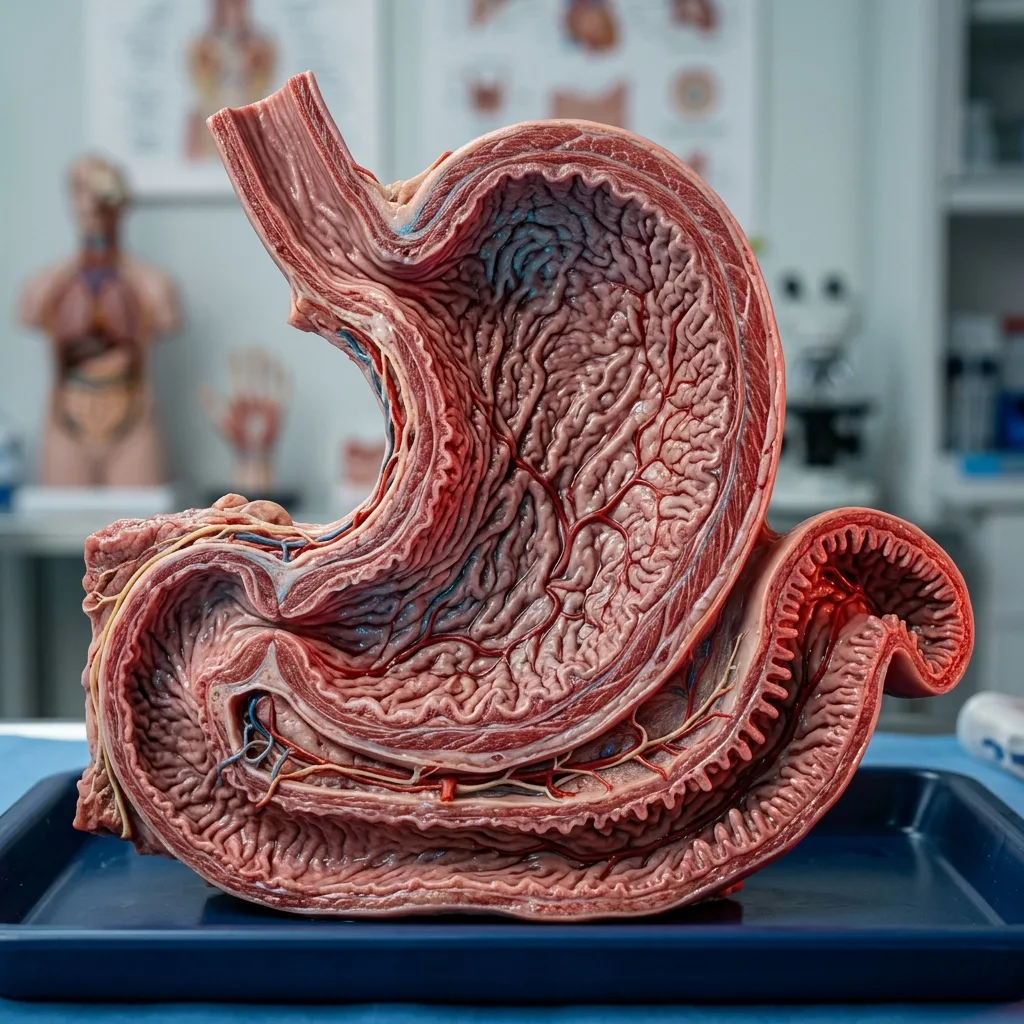
When you combine NSAIDs and steroids, you are essentially attacking the gastrointestinal tract from two different pharmacological angles. This is why the medical community strongly advises against combining aspirin and cortisone or other corticosteroids unless specifically directed by a physician.
The Synergistic Effect on the Stomach Lining
The interaction between aspirin and corticosteroids is a classic example of a synergistic adverse effect. Synergy occurs when the combined effect of two drugs is greater than the sum of their individual effects. In this context, the synergy is highly detrimental to the stomach lining protection mechanisms.
As previously established, aspirin aggressively depletes the stomach’s protective mucus barrier by blocking COX-1-mediated prostaglandin synthesis. Simultaneously, corticosteroids impede the cellular repair and regeneration processes of the gastric mucosa. When an aspirin-induced micro-erosion occurs in the stomach lining, the presence of corticosteroids prevents that erosion from healing properly. Instead of a minor irritation that the body can quickly repair, the lesion deepens, eventually developing into full-blown peptic ulcer disease.
Furthermore, because corticosteroids possess strong anti-inflammatory properties, they can mask the localized pain and inflammation that would normally alert a person to a developing ulcer. A patient might unknowingly continue taking both medications, completely unaware that a severe ulcer is forming until a catastrophic bleeding event occurs. This silent progression is one of the most perilous aspects of combining these two drug classes.
Increased Risk of Gastrointestinal Bleeding
The danger is not limited to ulcer formation; it extends significantly to the risk of severe hemorrhage. Clinical data consistently shows an increased risk of upper gastrointestinal bleeding when antiplatelet drugs and steroids are co-administered. The combination amplifies the gastrointestinal bleeding risk exponentially compared to taking either medication alone.
Aspirin’s antiplatelet effect—its ability to prevent blood from clotting—means that if an ulcer does begin to bleed in the highly vascularized environment of the stomach, the body’s normal hemostatic (clotting) response is severely impaired. The bleeding will be prolonged and potentially massive. Corticosteroids stomach ulcers are notorious for being deep and prone to hemorrhaging. When you add a blood thinner like aspirin to the equation, a bleeding ulcer can rapidly become a life-threatening medical emergency, requiring hospitalization, blood transfusions, and endoscopic surgical intervention.
Recognizing the Warning Signs of a GI Bleed
Given the high stakes associated with this drug combination, patients who are concurrently taking aspirin and corticosteroids—even under medical supervision—must be hyper-vigilant about monitoring their health. Understanding the early clinical signs of internal bleeding can mean the difference between a manageable complication and a fatal outcome.
Common Symptoms to Watch For
Gastrointestinal bleeding can present in various ways, depending on the severity and exact location of the ulceration. The symptoms can be insidious, developing slowly over weeks, or they can be sudden and dramatic. Patients and their caregivers should monitor for the following warning signs:
- Melena (Black, Tarry Stools): This is one of the most common and definitive signs of upper GI bleeding. The blood turns dark and sticky as it is digested and travels through the intestinal tract. It often has a distinct, foul odor.
- Hematemesis (Vomiting Blood): Vomiting bright red blood indicates an active, rapid bleed in the stomach or esophagus. Alternatively, the vomit may look like dark coffee grounds, which occurs when blood has been partially digested by stomach acid.
- Persistent Abdominal Pain: A burning, gnawing, or sharp pain in the upper abdomen, particularly between meals or during the night, can be indicative of an ulcer. However, remember that corticosteroids can sometimes mask this pain.
- Unexplained Fatigue and Weakness: A slow, chronic GI bleed may not produce obvious visual signs like melena or hematemesis. Instead, the steady loss of red blood cells leads to anemia, characterized by profound fatigue, lethargy, and a pale complexion.
- Dizziness or Lightheadedness: Feeling faint, especially when standing up quickly (orthostatic hypotension), can result from a drop in blood pressure caused by significant internal blood loss.
When to Seek Emergency Medical Help
Certain symptoms indicate a critical medical emergency. Do not wait to schedule an appointment with a primary care physician if you experience severe manifestations of bleeding. Proceed immediately to the nearest emergency room or call emergency services if you notice any of the following:
- Vomiting large amounts of bright red blood or coffee-ground material.
- Passing large amounts of dark red or maroon blood from the rectum.
- Sudden, severe, and unbearable abdominal pain.
- Difficulty breathing, confusion, or a rapid, weak pulse.
- Fainting or losing consciousness.
When arriving at the hospital, it is paramount to inform the medical staff immediately about the exact medications and dosages being taken, specifically highlighting the concurrent use of aspirin and corticosteroids.
Are There Situations Where They Are Prescribed Together?
Despite the stark warnings, there are specific, complex clinical scenarios where a physician may determine that the therapeutic benefits of combining these drugs outweigh the inherent risks. However, this is never a decision made lightly, and it is never appropriate for a patient to initiate this combination on their own.
Strict Medical Supervision
In certain cardiovascular or rheumatological conditions, a patient may require both medications. For example, a patient with a history of heart attacks who has a prescribed daily low-dose aspirin regimen may suddenly develop a severe flare-up of an autoimmune disease, necessitating a short course of corticosteroids. In such cases, the attending physician must carefully weigh the cardiovascular necessity of the aspirin against the immunological necessity of the steroid.
If the combination is deemed absolutely essential, the doctor will implement a strategy of strict medical supervision. This often involves using the lowest possible effective dose of both medications for the shortest duration possible. The physician will frequently monitor the patient’s blood counts (to check for anemia indicating a slow bleed) and assess for any clinical signs of gastrointestinal distress.
Using Gastroprotective Medications
To mitigate the high risk of ulceration and hemorrhage, doctors will almost universally prescribe a concurrent gastroprotective agent when aspirin and corticosteroids are used together. The standard of care typically involves prescribing a Proton Pump Inhibitor (PPI), such as omeprazole, pantoprazole, or esomeprazole.
PPIs work by drastically reducing the amount of gastric acid produced by the stomach. By raising the pH level of the stomach environment, PPIs help protect the vulnerable gastric mucosa from acid-induced damage, allowing for mucosal healing and significantly lowering the risk of ulcer formation and subsequent bleeding. Sometimes, H2-receptor antagonists (like famotidine) or mucosal protectants (like sucralfate) may be utilized, though PPIs are generally considered superior for preventing NSAID-associated ulcers.
However, patients must understand that while PPIs offer substantial protection, they do not eliminate the risk entirely. The synergistic danger of combining antiplatelet drugs and steroids remains a formidable clinical challenge.
Safer Alternatives and Precautions
For individuals taking prescription corticosteroids who experience occasional headaches, muscle aches, or mild fevers, avoiding aspirin and other NSAIDs (like ibuprofen and naproxen) is critical. Fortunately, there are safer pharmacological alternatives available, as well as general precautions that should be strictly adhered to.
Pain Relief Alternatives to Aspirin
When seeking pain relief while on a steroid regimen, the safest over-the-counter alternative is generally acetaminophen (Tylenol). Acetaminophen is not an NSAID; it provides analgesic and antipyretic effects primarily through mechanisms in the central nervous system, rather than by inhibiting COX enzymes in peripheral tissues. As a result, acetaminophen does not cause the severe gastrointestinal irritation or antiplatelet effects associated with aspirin.
However, acetaminophen carries its own set of precautions. It is metabolized by the liver, and taking doses exceeding the recommended daily limit (usually 3,000 to 4,000 milligrams per day for a healthy adult) or combining it with alcohol can lead to severe liver damage. It is imperative to read all labels, as acetaminophen is often a hidden ingredient in many over-the-counter cold and flu medications.
It is highly recommended to review the NSAID safety and bleeding risks and Aspirin precautions and side effects before making any decisions regarding pain management while on steroids.
Discussing Your Medication Regimen With Your Doctor
The cornerstone of medication safety is open, transparent communication with your healthcare provider and pharmacist. Never assume that an over-the-counter medication is completely safe simply because it does not require a prescription. Over-the-counter status does not negate the potential for severe drug interactions.
When prescribed a corticosteroid, you should provide your doctor with a comprehensive list of everything you are currently taking. This list must include:
- All prescription medications.
- Over-the-counter pain relievers, cold medicines, and allergy pills.
- Vitamins and dietary supplements.
- Herbal remedies (some herbs can also affect blood clotting or stomach acidity).
If you are already on a daily low-dose aspirin regimen for cardiovascular protection and are subsequently prescribed a steroid by a different specialist, it is crucial that both doctors are aware of the overlapping treatments. Pharmacists also serve as an excellent final line of defense; always use the same pharmacy for all your prescriptions so their database can automatically flag potentially dangerous interactions like the one between aspirin and prednisone.
Conclusion
In summary, the interaction between aspirin and corticosteroids represents a significant and potentially life-threatening medical risk. The combined assault on the gastrointestinal tract—through the depletion of protective mucosal barriers and the impairment of blood clotting mechanisms—dramatically elevates the likelihood of severe stomach ulcers and internal hemorrhage. Unless explicitly directed and closely monitored by a qualified healthcare professional, who will likely implement gastroprotective strategies, you should never combine these medications. Always opt for safer alternatives like acetaminophen for routine pain relief, and maintain vigilant communication with your medical team to ensure your health and safety during any steroid treatment protocol.
Frequently Asked Questions
Can you take low-dose baby aspirin with prednisone?
Even low-dose “baby” aspirin (typically 81mg) carries a significant risk when combined with prednisone or other corticosteroids. While the dose is smaller, the synergistic effect on the stomach lining and the antiplatelet properties still apply, elevating the risk of GI bleeding. You should only combine them if a doctor determines your cardiovascular risk outweighs the bleeding risk, and they will usually prescribe a protective stomach medication alongside it.
What are the first signs of stomach bleeding from aspirin and steroids?
Early signs can be subtle but often include passing black, tarry stools (melena), vomiting material that looks like dark coffee grounds, persistent or worsening abdominal pain (often described as burning or gnawing), and unexplained feelings of extreme fatigue, weakness, or dizziness due to blood loss.
How long after taking steroids can I safely take aspirin?
The timeline depends entirely on the specific steroid, the dosage, and the duration of your treatment. Corticosteroids can linger in your system and continue affecting your stomach lining for days or even weeks after your last dose. You must consult your prescribing physician to determine when it is safe to resume taking NSAIDs like aspirin.
Can I take Tylenol instead of aspirin while on corticosteroids?
Yes, acetaminophen (Tylenol) is generally considered a safer over-the-counter alternative for pain and fever relief while taking corticosteroids. Because it is not an NSAID, it does not irritate the stomach lining or inhibit blood clotting in the same way aspirin does. However, you must still follow dosing guidelines carefully to protect your liver.
Do stomach protectors completely prevent ulcers when mixing these drugs?
No. While gastroprotective medications like Proton Pump Inhibitors (PPIs) significantly reduce the risk of ulcer formation and bleeding by lowering stomach acid, they do not offer 100% protection. The underlying mechanisms that damage the mucosa and prevent clotting are still active, meaning the risk, while mitigated, is still present.
Get our latest guides, news, and insights highlighted in your Google Search & AI Overviews.