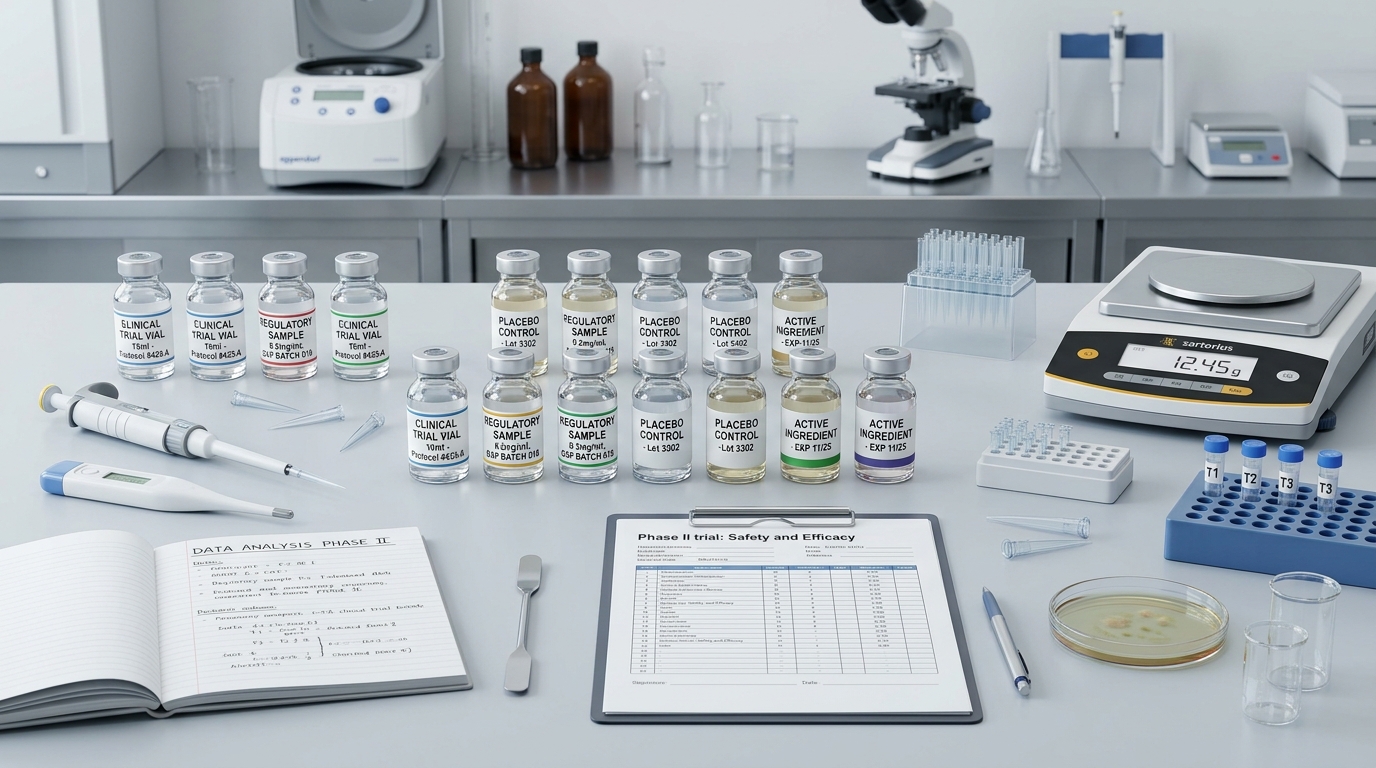
Many people use steroids for medical conditions or performance enhancement, but a common and serious concern is their impact on liver health. If you are wondering, ‘Can steroids cause liver damage?’, the short answer is yes—but the level of risk depends heavily on the type of steroid used. Understanding the difference between anabolic-androgenic steroids and corticosteroids, as well as recognizing the early signs of hepatotoxicity, is crucial for protecting your liver from long-term harm.
Executive Summary
- Hepatotoxicity Risk: Liver damage is primarily associated with oral anabolic-androgenic steroids (AAS), particularly those utilizing 17-alpha-alkylation to survive initial hepatic metabolism.
- Corticosteroids vs. AAS: Standard corticosteroids pose a remarkably low risk of direct acute liver toxicity but can contribute to secondary metabolic issues such as non-alcoholic fatty liver disease (NAFLD) over extended therapeutic timelines.
- Hepatic Conditions: Chronic steroid misuse can manifest as severe, progressive liver pathologies, including bland cholestasis, peliosis hepatis, and the formation of hepatic adenomas that risk malignant transformation.
- Diagnostic Monitoring: Regular liver enzyme panels (assessing AST, ALT, ALP, GGT, and bilirubin fractions) and strict medical supervision are critical for identifying early-stage hepatic stress and mitigating permanent cellular necrosis.
Understanding Steroids and Liver Health
The human liver is the primary metabolic engine and primary detoxification center of the body. Structurally composed of thousands of hepatic lobules—the functional units containing specialized cells known as hepatocytes—the liver is responsible for filtering circulating toxins, synthesizing essential systemic proteins, regulating glycogen storage, and metabolizing complex pharmacological compounds. When foreign substances overwhelm the liver’s robust capacity to process them safely, cellular damage inevitably occurs. In the context of steroid administration, the physiological burden placed on hepatic tissues can range from mild, transient enzyme elevations to life-threatening acute liver failure. This variance depends almost entirely on the chemical structure of the specific steroid, the route of administration, the precise dosage, and the total duration of exposure.
What is Hepatotoxicity?
Hepatotoxicity, often referred to broadly in clinical literature as drug-induced liver injury (DILI), is the precise medical term for liver damage directly caused by exposure to pharmaceutical drugs, botanical chemicals, or dietary supplements. Because the liver acts as the body’s primary filtration system and metabolic checkpoint, it must process almost every substance that enters the bloodstream through the digestive tract. During this highly complex metabolic process—specifically phase I and phase II metabolism mediated by the cytochrome P450 enzyme system—certain synthetic compounds are broken down into toxic electrophilic intermediates. These reactive metabolites can trigger intense oxidative stress, mitochondrial dysfunction, and ultimately apoptosis (programmed cell death) within the hepatocytes.
When this chemical-driven cellular damage progresses unchecked, it frequently leads to a clinical state of toxic hepatitis, which is characterized by profound, widespread inflammation of the liver parenchyma. Toxic hepatitis severely compromises the liver’s ability to produce bile, clear conjugated bilirubin from the blood, and manufacture essential clotting factors like prothrombin. If the offending toxic agent—such as a heavily modified oral anabolic steroid—is not withdrawn promptly, the continuous inflammatory cascade can induce irreversible tissue fibrosis, leading to cirrhosis, and ultimately culminating in acute liver failure requiring transplantation.
Corticosteroids vs. Anabolic Steroids
A critical, non-negotiable distinction must be established between the two primary classifications of steroids discussed in modern medicine, as their pharmacological mechanisms, receptor affinities, and hepatic risk profiles are vastly different.
Anabolic-androgenic steroids (AAS) are synthetically engineered derivatives of the primary male sex hormone, testosterone. They are meticulously designed to maximize the anabolic (tissue-building and protein-synthesizing) properties of the hormone while attempting to minimize the androgenic (masculinizing) side effects. These compounds are utilized in legitimate clinical settings to treat conditions such as severe muscle wasting (cachexia) associated with HIV/AIDS, delayed male puberty, severe burns, and specific refractory types of anemia. However, they are most widely recognized globally for their illicit, unmonitored use in powerlifting, professional bodybuilding, and athletic performance enhancement. It is primarily within this specific category of steroids—most notably the oral formulations—that the profound risk of direct, acute hepatotoxicity resides.
Conversely, corticosteroids (such as prednisone, hydrocortisone, dexamethasone, and methylprednisolone) are synthetic analogs of cortisol, a vital glucocorticoid hormone naturally produced by the adrenal cortex. Corticosteroids function as extraordinarily powerful immunosuppressive and anti-inflammatory agents. By binding to glucocorticoid receptors, they alter gene transcription to rapidly suppress the inflammatory cascade. They are foundational, life-saving therapies for managing severe autoimmune disorders (like rheumatoid arthritis and lupus), severe allergic reactions, acute asthma exacerbations, and inflammatory bowel diseases. Unlike oral AAS, standard oral corticosteroids do not inherently damage liver cells through direct toxic metabolites. However, their profound and systemic impact on human metabolism can lead to secondary, indirect liver complications, which will be explored in greater detail later in this clinical overview.
How Anabolic Steroids Cause Liver Damage
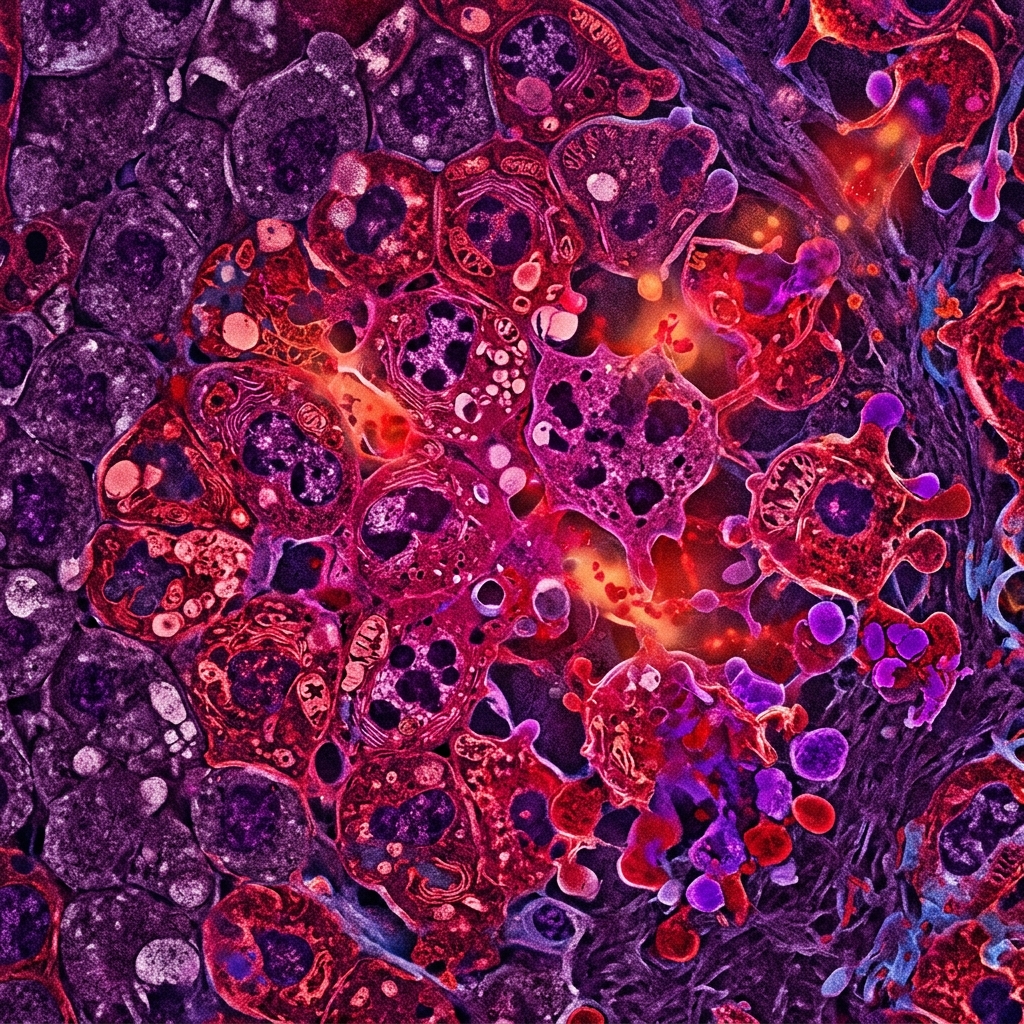
To comprehend exactly how anabolic-androgenic steroids cause severe liver damage, one must deeply analyze the pharmacokinetics of oral drug administration and hepatic clearance. It is vital to note that not all anabolic steroids are equally toxic to the liver. Injectable steroids, which are administered deeply into muscle tissue (intramuscularly), largely bypass the initial gastrointestinal digestive tract and the primary hepatic filtration systems, entering systemic circulation directly. Oral steroids, however, must navigate the harsh acidic environment of the stomach, the intestinal mucosa, and the liver before they can exert any systemic anabolic effects. This challenging physiological reality necessitates a specific chemical modification of the steroid molecule to ensure its survival.
The Role of 17-Alpha-Alkylation (Oral Steroids)
If natural, unesterified testosterone or a standard unmodified synthetic testosterone derivative were ingested orally, it would be rapidly identified, intercepted, and dismantled by aggressive liver enzymes before ever reaching the bloodstream in a clinically significant or therapeutic concentration. This efficient process of hepatic destruction is why early pharmaceutical researchers modified the chemical structure of oral anabolic steroids by adding an alkyl group—typically a specific methyl or ethyl carbon configuration—to the alpha position of the 17th carbon atom on the steroidal backbone. This essential molecular alteration is clinically referred to as 17-alpha-alkylation.
The 17-alpha-alkylation process effectively acts as an impenetrable chemical armor, preventing the liver’s primary metabolic enzymes (specifically those within the robust cytochrome P450 system) from successfully breaking down and conjugating the steroid molecule for excretion. While this modification ensures the drug survives the initial pass and maintains incredibly high oral bioavailability, it comes at a severe and undeniable biological cost. The liver inherently registers these modified, resilient molecules as highly resistant foreign toxins. According to the LiverTox database on the NCBI Bookshelf, the continuous, futile effort by the hepatic system to metabolize these nearly indestructible 17-alpha-alkylated compounds creates an immense and sustained metabolic burden. This results in profound localized hepatic stress, disrupted bile transport mechanisms, and direct cellular injury to the hepatocytes. Common 17-alpha-alkylated oral steroids globally recognized for their exponentially high hepatotoxic potential include Methandrostenolone (Dianabol), Oxymetholone (Anadrol), Oxandrolone (Anavar), and Stanozolol (Winstrol).
First-Pass Metabolism and Hepatic Stress
The specific physiological mechanism by which the liver filters orally ingested substances before they reach systemic circulation is known as first-pass metabolism. When an oral steroid is swallowed and subsequently absorbed through the highly vascular intestinal walls, it enters the portal vein. The portal vein acts as a massive direct conduit, delivering this nutrient- and drug-rich blood straight to the liver lobules for immediate inspection, filtration, and processing.
During this critical first pass, thousands of hepatocytes attempt to neutralize and excrete the 17-alpha-alkylated steroids. Because the molecules are deliberately engineered to resist enzymatic deactivation, they linger extensively within the intricate hepatic architecture, causing a localized and dangerous accumulation of toxic electrophilic metabolites. This sustained chemical presence rapidly triggers severe oxidative stress, leading to the rapid depletion of the liver’s primary endogenous antioxidant, glutathione. As cellular glutathione levels plummet, the resulting uncontrolled accumulation of reactive oxygen species (ROS) structurally damages the mitochondrial membranes of the liver cells. This severely impairs the cell’s ability to produce ATP (cellular energy) and eventually triggers irreversible apoptosis. This relentless, continuous chemical assault is the foundational pathophysiological mechanism behind all oral AAS-induced hepatotoxicity.
Common Liver Conditions Linked to Steroid Use
When the hepatic system is subjected to chronic, unyielding stress from high doses of anabolic-androgenic steroids, the resulting damage rarely manifests as acute, overnight organ failure. Instead, the toxicity typically presents through a progressive spectrum of specific, identifiable hepatic conditions. Understanding these distinct clinical conditions is crucial for recognizing the long-term medical and physical consequences of unmonitored AAS abuse.
Cholestasis (Bland Cholestasis) and Jaundice
The most frequent, heavily documented, and predictable liver injury directly associated with 17-alpha-alkylated anabolic steroids is a condition known in hepatology as bland cholestasis. Cholestasis is a serious clinical state characterized by a severe reduction or complete physiological stoppage of bile flow from the liver down into the duodenum (the first part of the small intestine). Bile is a vital, complex digestive fluid produced continuously by healthy hepatocytes; it is essential for emulsifying dietary fats, absorbing fat-soluble vitamins, and excreting hepatic waste products, most notably bilirubin (a yellow byproduct of normal red blood cell degradation).
In the specific context of AAS use, the resulting cholestasis is uniquely defined as “bland” because, remarkably, it occurs with minimal parenchymal inflammation or acute cellular necrosis. The exact molecular mechanism remains partially understood but is widely believed to involve steroid-induced structural alterations in the microfilament network of the hepatocytes and the subsequent genetic down-regulation of essential bile salt export pumps located on the canalicular cellular membrane. Because the bile is physically unable to flow normally through the biliary tree, bilirubin backs up directly into the systemic bloodstream. This massive systemic accumulation of conjugated bilirubin directly leads to clinical jaundice—the distinct and alarming yellowing of the skin, mucous membranes, and the sclera (white portion) of the eyes. Accompanying this deep jaundice is often severe pruritus (intense, agonizing whole-body itching) caused directly by the continuous deposition of irritating bile salts within the dermal layers of the skin.
Peliosis Hepatis (Blood-Filled Cysts)
A far rarer, yet exponentially more dangerous and potentially fatal condition linked directly to prolonged anabolic steroid use is peliosis hepatis. This is a severe, degenerative vascular condition in which the normal, healthy hepatic tissue is progressively replaced by multiple, randomly distributed, blood-filled cysts or cavernous cavities. These dangerous cystic spaces lack a normal endothelial lining and can range in size from a few microscopic millimeters to several massive centimeters in diameter.
The precise pathogenesis of peliosis hepatis remains heavily debated in the medical literature, but it is strongly and undeniably associated with the profound endothelial damage and sinusoidal dilation caused by the prolonged presence of androgenic compounds in the hepatic vasculature. The primary, life-threatening danger of peliosis hepatis lies in the high risk of spontaneous or minor trauma-induced rupture of these fragile, blood-filled cavities. A ruptured hepatic cyst can lead instantly to massive, rapidly fatal intra-abdominal hemorrhage (internal bleeding). Because the condition is often entirely asymptomatic and undetectable without advanced medical imaging until a catastrophic rupture occurs, it represents a silent but uniquely deadly threat to long-term AAS users.
Hepatic Adenomas and Tumors
The continuous, unnatural cellular stimulation and profound metabolic disruption caused by chronic anabolic steroid abuse significantly elevate the risk of developing hepatic adenomas. Hepatic adenomas are benign (non-cancerous) liver tumors that originate from the monoclonal proliferation of hepatocytes. While they are most commonly associated in the general public with long-term oral contraceptive use in women, they are a strictly well-documented clinical consequence of prolonged, high-dose androgen therapy in both male and female patients.
Although these tumors are classified as benign, they present two major clinical surgical hazards. First, as they continuously grow under the influence of constant steroid exposure, they become highly vascularized and increasingly prone to sudden internal necrosis and severe hemorrhage. A bleeding hepatic adenoma constitutes an immediate surgical emergency requiring potential hepatic resection. Second, while statistically rare, there is established, peer-reviewed clinical evidence demonstrating that prolonged exposure to incredibly high doses of AAS can prompt these initially benign adenomas to undergo genetic mutation and malignant transformation into hepatocellular carcinoma (HCC)—a primary, highly aggressive, and deadly form of liver cancer. This risk underscores the profound, long-term mutagenic potential of continuous hepatic stress induced by androgens.
Signs and Symptoms of Steroid-Induced Liver Injury (DILI)
Identifying the early clinical manifestations of chemical hepatotoxicity is notoriously difficult, as the human liver is a highly resilient, highly compensatory organ that can sustain substantial, prolonged damage before producing outward systemic symptoms. However, recognizing the progressive signs of liver injury is imperative for halting steroid administration before irreversible cirrhosis or fatal multi-organ failure occurs.
Early Warning Signs to Watch For
In the initial stages of steroid-induced liver stress, symptoms are typically vague, systemic, and easily mistaken for general viral illnesses, fatigue, or severe overtraining in dedicated athletes. The earliest warning signs indicating the onset of hepatic dysfunction include:
- Unexplained Fatigue and Lethargy: A profound, unshakeable drop in systemic energy levels as the liver struggles to process metabolic waste and regulate blood glucose effectively.
- Gastrointestinal Distress: Persistent mild nausea, a sudden and total loss of appetite (anorexia), and a dull, aching discomfort in the upper right abdomen.
- Dark Urine (Bilirubinuria): A sudden shift in urine color to a deep amber, dark brown, or tea-like hue, signaling the abnormal, high-volume excretion of water-soluble conjugated bilirubin directly through the kidneys.
- Pale or Clay-Colored Stools: A distinct lack of bile pigment (stercobilin) reaching the intestines results in unusually light-colored, chalky, or clay-like bowel movements.
- Pruritus: An agonizing, deep-seated itching of the skin that is typically worse at night and unresponsive to traditional antihistamines, caused directly by systemic bile acid accumulation in peripheral tissues.
When to Seek Immediate Medical Attention
As hepatic impairment rapidly transitions from mild chemical stress to severe parenchymal injury, the physical symptoms become impossible to ignore and require immediate, emergency medical intervention. You must seek immediate clinical care if you experience any of the following:
- Deep Jaundice: Distinct, undeniable yellowing of the skin and the sclera (whites of the eyes).
- Severe Abdominal Pain: Acute, intense, sharp pain localized heavily to the right upper quadrant of the abdomen, just below the rib cage, often indicating severe liver engorgement, capsular stretching, or a ruptured hepatic adenoma.
- Unusual Bleeding or Bruising: Because a healthy liver constantly manufactures the vital proteins responsible for blood coagulation, profound liver damage leads rapidly to spontaneous bruising, petechiae, prolonged bleeding from minor cuts, or severe gastrointestinal bleeding.
- Cognitive Changes (Hepatic Encephalopathy): Sudden confusion, significantly altered mental status, severe disorientation, or extreme lethargy. These are critical signs of hepatic encephalopathy—a life-threatening condition where the failing liver is unable to clear neurotoxins, particularly ammonia, from the bloodstream before they reach the brain.
Clinical Warning
Never ignore the early warning signs of progressive hepatotoxicity, especially sudden changes in urine color, systemic itching, or mild onset jaundice. Continuing the administration of highly toxic 17-alpha-alkylated oral steroids in the direct presence of these symptoms exponentially increases the immediate risk of acute fulminant liver failure, massive internal hemorrhage from peliosis hepatis, and irreversible cellular necrosis. Immediate cessation of the offending compound is absolutely mandatory to preserve organ viability.
Are Corticosteroids Safe for the Liver?
The broader conversation surrounding steroids and human liver health is almost entirely skewed toward the dangers of anabolic variants. However, for a complete and objective medical perspective, it is equally important to address the hepatic risk profile of corticosteroids, as these vital medications are prescribed daily to millions of patients globally for legitimate, strictly regulated, and often life-saving medical interventions.
Low-Dose vs. High-Dose IV Therapy
In standard, day-to-step clinical practice, oral corticosteroids—such as daily low-dose prednisone, budesonide, or dexamethasone used to manage chronic asthma, severe allergies, or rheumatoid arthritis—are decidedly not considered directly hepatotoxic. They absolutely do not undergo the aggressive, toxic 17-alpha-alkylation process that makes oral AAS so distinctly dangerous, and their normal metabolic breakdown within the liver does not inherently destroy healthy hepatocytes or cause cholestasis.
However, the clinical paradigm shifts slightly when examining high-dose, intravenous (IV) pulse therapy protocols. In specific acute medical crises, such as severe exacerbations of multiple sclerosis, acute organ transplant rejection, or severe lupus nephritis flares, patients may receive massive, concentrated doses of IV methylprednisolone. While still considered relatively rare in the grand scope of medicine, there are highly documented clinical case studies firmly linking these massive IV corticosteroid pulses to acute, transient episodes of toxic hepatitis and drug-induced liver injury. These documented cases are generally considered idiosyncratic—meaning they occur unpredictably and randomly in a very small subset of genetically susceptible patients—and hepatic function typically normalizes rapidly once the massive IV dose is discontinued and the protocol is concluded.
Fatty Liver Disease (Steatosis) Risks
The primary, overwhelming liver-related clinical concern with corticosteroids is not direct, acute cellular toxicity, but rather chronic, indirect metabolic damage. Long-term, continuous corticosteroid therapy radically alters the body’s endocrinological balance and baseline metabolic function. These medications forcefully promote increased systemic appetite, severe fluid retention, rapid weight gain, centralized adiposity (visceral fat storage concentrated tightly around the abdominal organs), and profound peripheral insulin resistance.
This massive cascade of metabolic disruption creates the absolute perfect physiological environment for the rapid development of Non-Alcoholic Fatty Liver Disease (NAFLD), clinically referred to in earlier stages as hepatic steatosis. As the patient develops worsening insulin resistance, free circulating fatty acids are continuously and inappropriately deposited directly into the hepatic parenchyma (the hepatocytes). Over consecutive months and years of chronic, unmitigated corticosteroid use, this heavy fat accumulation causes the liver to physically swell (hepatomegaly), leading directly to chronic localized inflammation (steatohepatitis) and, eventually, irreversible fibrosis. Therefore, while a standard, short-term prednisone prescription absolutely won’t trigger sudden acute liver failure like an oral AAS cycle might, its long-term metabolic side effects demand incredibly strict dietary management, metabolic monitoring, and regular clinical evaluation to prevent progressive, silent fatty liver disease.
Diagnosing and Treating Steroid-Related Liver Damage
When steroid-induced hepatotoxicity is clinically suspected, rapid, accurate, and comprehensive diagnosis is absolutely essential for determining the precise extent of the cellular damage and outlining a strict medical recovery protocol. Diagnosis relies heavily on detailed biochemical blood work analysis and advanced medical imaging techniques.
Liver Enzyme Blood Tests (ALT, AST, Bilirubin)
The foundational cornerstone of diagnosing active liver stress is the comprehensive metabolic panel (CMP) or a highly specific liver function test (LFT) panel. These standardized blood tests accurately measure the precise serum levels of various hepatic enzymes and systemic proteins. When liver cells are actively damaged, inflamed, or their cellular membranes are physically compromised, they leak these specific intracellular enzymes directly into the systemic bloodstream.
- ALT (Alanine Aminotransferase) and AST (Aspartate Aminotransferase): These specific aminotransferase enzymes are primary markers of direct hepatocellular injury. Highly elevated serum levels strongly suggest active, ongoing destruction of liver cells. Important clinical note for athletes: Heavy, intense resistance training and muscle hypertrophy also significantly elevate systemic AST and ALT due strictly to skeletal muscle breakdown. Therefore, finding elevated AST/ALT alone in a heavily muscled bodybuilder does not definitively prove active liver failure without analyzing other corroborating hepatic markers.
- ALP (Alkaline Phosphatase) and GGT (Gamma-Glutamyl Transferase): These specific enzymes are distinctly elevated in clinical cases of biliary obstruction and intrahepatic cholestasis. If a patient actively using oral AAS presents with massively elevated GGT and ALP alongside jaundice, it is a virtually undeniable clinical indicator of steroid-induced bland cholestasis.
- Total and Direct Bilirubin: Elevated conjugated (direct) bilirubin directly correlates with the physical severity of the patient’s jaundice and highlights the liver’s total inability to clear metabolic waste through the bile ducts.
If these blood markers are highly alarming or indicative of severe stress, physicians will almost always immediately order an abdominal ultrasound, a CT scan, or a hepatic MRI. These imaging modalities are crucial to physically visualize the liver and definitively rule out the hidden presence of peliosis hepatis, bleeding hepatic adenomas, or underlying, advanced cirrhosis.
Reversibility and Recovery Timeline
The absolute most crucial and immediately necessary step in treating any form of drug-induced liver injury is the immediate, total, and permanent cessation of the offending toxic agent. In the specific context of AAS use, stopping the ingestion of oral steroids is entirely non-negotiable. Fortunately for the patient, the human liver possesses an extraordinary, almost unparalleled physiological capacity for rapid cellular regeneration and repair. If the toxic damage is caught early in the initial stages of cholestasis or mild toxic hepatitis, the clinical condition is highly reversible.
Upon total discontinuation of the hepatotoxic steroids, the intense peripheral pruritus and visible jaundice may still take several agonizing weeks to fully resolve, as the heavily accumulated bile salts and tissue-bound bilirubin are slowly cleared from the dermal tissues and systemic bloodstream. Key liver enzyme levels (ALT, AST, ALP) often remain distinctly elevated for one to three full months before gradually returning to baseline normal ranges. In severe, prolonged cases of cholestasis, a treating hepatologist may frequently prescribe specialized medications like Ursodeoxycholic acid (UDCA)—a therapeutic secondary bile acid—to help actively stimulate bile flow, reduce the inherent toxicity of the stagnant bile acids accumulating in the liver, and protect surviving hepatocytes from apoptosis.
How to Protect Your Liver During Treatment
Whether a patient is undergoing a highly necessary, long-term prescription corticosteroid therapy for an autoimmune disease, or an individual has made the deeply personal, high-risk decision to utilize anabolic steroids for athletic enhancement, mitigating the profound risk of hepatotoxicity must remain the absolute highest priority. Proactive, intelligent liver protection involves strict medical oversight, non-negotiable lifestyle modifications, and a deep scientific understanding of compounding chemical toxicities.
Medical Supervision and Regular Blood Work
The single most effective, evidence-based strategy for ensuring liver protection is continuous, uncompromising clinical monitoring. Before ever initiating any steroid regimen, a comprehensive baseline blood panel must be drawn to establish the individual’s natural, healthy liver function and metabolic baseline. Once the specific steroid therapy begins, follow-up blood work should ideally be conducted every 4 to 8 weeks without fail.
Regular, scheduled monitoring allows physicians and patients to identify subtle, early upward trends in critical liver enzymes (specifically GGT, ALT, and direct bilirubin) long before severe clinical symptoms like jaundice, dark urine, or severe fatigue physically manifest. If liver enzyme levels begin to climb exponentially beyond normal reference ranges, the drug dosage can be immediately titrated down, or the medication can be completely discontinued. This rapid clinical response definitively prevents the dangerous transition from mild hepatic stress to permanent, life-altering liver injury.
Avoiding Alcohol and Hepatotoxic Supplements
The human liver has a remarkably robust but ultimately finite capacity for systemic detoxification. Introducing multiple hepatotoxic agents into the body simultaneously creates a dangerous synergistic effect, heavily compounding the localized damage and rapidly, aggressively depleting the liver’s protective antioxidant reserves (most importantly, cellular glutathione). Individuals actively using oral anabolic steroids or high-dose oral corticosteroids must absolutely, categorically abstain from all alcohol consumption. The complex metabolic pathways required to properly process ethanol actively compete with the exact pathways attempting to process the synthetic steroids, leading inevitably to a massive, toxic buildup of cellular byproducts.
Furthermore, one must exercise extreme, unyielding caution with common over-the-counter medications and dietary supplements. High, frequent doses of acetaminophen (Tylenol), nonsteroidal anti-inflammatory drugs (NSAIDs like ibuprofen), and certain potent oral acne medications (such as Accutane/Isotretinoin) carry their own highly documented hepatotoxic risks and should absolutely never be combined with oral AAS therapy. Finally, the largely unregulated sports supplement and underground bodybuilding market poses a severe, hidden risk. Many over-the-counter “pro-hormones” or unverified muscle-building supplements have been clinically found to be tainted with undisclosed, highly toxic 17-alpha-alkylated compounds, inadvertently subjecting the unsuspecting user to severe, unmonitored, and potentially fatal liver toxicity.
Frequently Asked Questions (FAQ)
How long does it take for steroids to affect the liver?
The precise timeline for the onset of liver stress depends heavily on the specific compound, the daily dosage, and individual genetic metabolic rates. Oral 17-alpha-alkylated steroids can begin acutely elevating liver enzymes (AST, ALT) within just a few days to a week of administration. Clinical signs of toxicity, such as visible jaundice, profound lethargy, or severe pruritus, typically develop within 4 to 12 weeks of continuous, high-dose usage, though severe idiosyncratic reactions can occur much sooner in susceptible individuals.
Can the liver recover from steroid damage?
Yes, in the vast majority of clinical cases involving acute toxic hepatitis or mild to moderate bland cholestasis, the liver possesses remarkable, highly efficient regenerative capabilities. If the offending steroid is discontinued immediately upon recognizing symptoms or detecting heavily elevated liver enzymes in blood work, overall liver function usually returns to its normal baseline within 2 to 6 months. However, advanced, chronic conditions resulting from long-term abuse—like extensive peliosis hepatis, advanced fibrosis, or malignant adenoma formation—are often irreversible and may require intensive surgical intervention or a liver transplant.
Are injectable steroids safer for the liver than oral steroids?
From a strictly hepatotoxic and biochemical perspective, yes. Injectable anabolic steroids (such as testosterone enanthate, cypionate, or propionate) bypass the gastrointestinal tract and the initial first-pass metabolism by the liver. Because they do not require the toxic 17-alpha-alkylation molecular modification to survive liver breakdown and reach systemic circulation, they place significantly less acute stress on hepatic cells compared to their oral counterparts. However, chronically high doses of injectables still pose broader cardiovascular and systemic risks.
What are the first signs of liver damage from steroids?
The absolute earliest indicators of steroid-induced liver injury are often systemic, non-specific, and easily overlooked by athletes. They typically include profound, unexplainable lethargy, a sudden and total loss of appetite, and mild bouts of nausea. As the condition actively progresses to cholestasis, the first undeniable visual signs are abnormally dark (tea-colored) urine, remarkably pale or clay-colored stools, and intense, unexplained itching (pruritus) across the body, followed shortly by the onset of visible jaundice.
Do corticosteroids cause liver damage?
Standard, appropriately prescribed oral corticosteroids (like prednisone or dexamethasone) rarely cause direct, acute liver cell destruction in the aggressive way anabolic steroids do. However, their prolonged therapeutic use dramatically alters systemic metabolism, forcefully promoting insulin resistance, fluid retention, and centralized fat storage. Over time, this metabolic disruption can absolutely lead to secondary liver damage in the form of Non-Alcoholic Fatty Liver Disease (NAFLD) or hepatic steatosis. Additionally, very high-dose intravenous corticosteroid pulses have, in rare idiosyncratic clinical cases, been directly linked to acute toxic hepatitis.
Get our latest guides, news, and insights highlighted in your Google Search & AI Overviews.