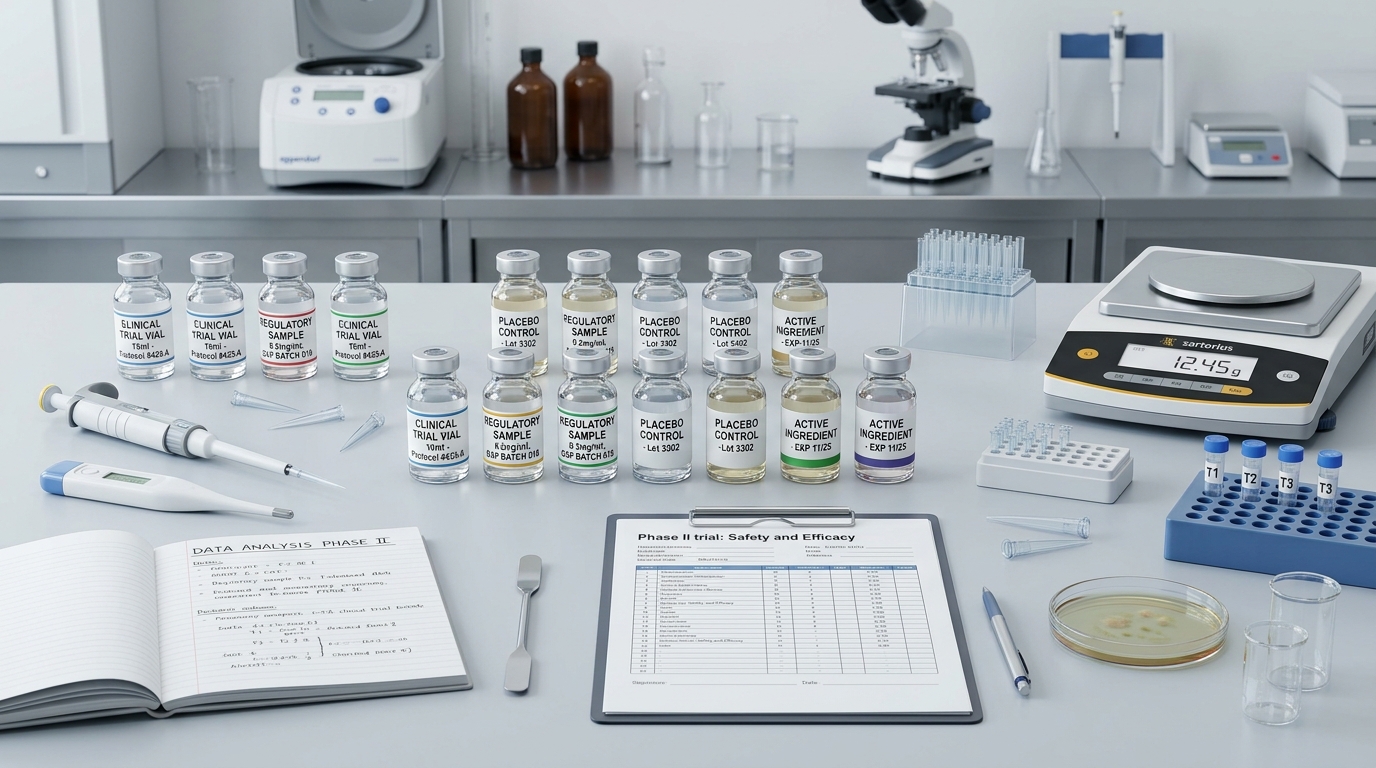
If you are caught with anabolic steroids in Texas without a valid prescription, you could be facing serious criminal charges. Under the Texas Controlled Substances Act, anabolic steroids are classified as Penalty Group 3 substances, meaning possession, distribution, or manufacturing can result in harsh penalties ranging from a Class A Misdemeanor to a First-Degree Felony. In this comprehensive guide, we’ll break down everything you need to know about Texas state drug laws regarding steroids, the specific penalties for possession, and what legal options you might have if you’re facing charges.
The Legal Status of Anabolic Steroids in Texas
To understand the legal landscape surrounding performance-enhancing drugs, it is critical to examine how the State of Texas classifies these compounds. Unlike over-the-counter dietary supplements, anabolic steroids are chemically and pharmacologically related to testosterone, promoting substantial muscle growth but also carrying significant physiological and medical risks when utilized without professional medical supervision.
Classification as a Controlled Substance
The state legislature has determined that the potential for abuse and the medical risks associated with non-prescribed steroid use necessitate strict legal controls. In Texas, a controlled substance is any drug or chemical whose manufacture, possession, and use are heavily regulated by the government. The Texas Controlled Substances Act provides the comprehensive framework for these regulations. Under this robust legal architecture, anabolic steroids are specifically enumerated as controlled substances. This means that an individual cannot legally possess, sell, or distribute these drugs without explicit authorization, typically in the form of a valid medical prescription from a licensed healthcare practitioner.
The statutory definition of an anabolic steroid in Texas generally encompasses any drug or hormonal substance, chemically and pharmacologically related to testosterone (other than estrogens, progestins, and corticosteroids) that promotes muscle growth. This exceptionally broad definition ensures that not only traditional steroids like Dianabol, Deca-Durabolin, or Trenbolone are covered, but also various modern designer steroids and hormonal derivatives that are synthesized in underground laboratories to mimic testosterone’s anabolic effects.
Penalty Group 3 under Texas Law
Texas organizes controlled substances into different “Penalty Groups” ranging from Penalty Group 1 (which includes highly addictive and dangerous drugs like heroin, cocaine, and methamphetamine) to Penalty Group 4. Anabolic steroids fall squarely into Penalty Group 3. Substances categorized within Penalty Group 3 are legally recognized as having a legitimate medically accepted use but also present a moderate potential for physical dependence or a high potential for psychological dependence.
Being categorized under Penalty Group 3 has direct and immediate implications for the severity of the charges an individual might face upon arrest. While the statutory penalties may be proportionally less severe than those for possessing Penalty Group 1 substances, a conviction for possession of a Penalty Group 3 substance still carries life-altering legal and personal consequences. The Texas Health and Safety Code precisely outlines these penalties, which are heavily dependent on the aggregate weight of the controlled substance at the exact time of arrest or seizure by law enforcement.
Penalties for Steroid Possession in Texas
The severity of a steroid possession penalty in Texas is strictly stratified based on the weight of the confiscated drugs. It is crucial to note that Texas law enforcement measures the entire aggregate weight of the substance, including any adulterants or dilutants. For injectable steroids, this includes the volume of the oil or suspension solution the hormone is dissolved in. This legal standard can rapidly increase the total calculated weight and catastrophically elevate the severity of the criminal charge for seemingly small amounts of active hormone.
Less Than 28 Grams (Class A Misdemeanor)
If an individual is found in possession of less than 28 grams of an anabolic steroid without a valid prescription, the charge is typically classified as a Class A Misdemeanor. While a misdemeanor is often viewed by the general public as significantly less serious than a felony, a Class A Misdemeanor is the most severe misdemeanor classification available under Texas criminal law.
A conviction for this baseline offense can result in profound penalties, including:
- Up to one full year in a county jail facility.
- A monetary fine not to exceed $4,000.
- Mandatory probation or community supervision, which strictly requires regular check-ins, random drug testing, community service, and administrative fees.
Even a misdemeanor drug conviction creates a permanent criminal record, which can immediately complicate future employment prospects, educational opportunities, and professional licensing applications.
28 Grams to 400+ Grams (Felony Charges)
When the total weight of the steroids meets or exceeds 28 grams, the offense automatically escalates from a misdemeanor to severe felony drug charges in Texas. The statutory penalties grow increasingly severe as the weight brackets increase. Because the liquid suspension in injectable steroids is factored into the total weight, reaching the 28-gram threshold is surprisingly common. A few standard 10ml vials of testosterone enanthate or cypionate can easily push a standard user into third-degree felony territory, exposing them to significant prison time.
| Weight Category | Charge Level | Potential Incarceration | Maximum Fine |
|---|---|---|---|
| 28 grams to under 200 grams | Third-Degree Felony | 2 to 10 years in state prison | $10,000 |
| 200 grams to under 400 grams | Second-Degree Felony | 2 to 20 years in state prison | $10,000 |
| 400 grams or more | First-Degree Felony | 5 to 99 years or life in prison | $50,000 |

Charges for Selling or Distributing Steroids
While simple possession carries strict and unforgiving penalties, the Texas criminal justice system reserves its most aggressive prosecutions for individuals accused of manufacturing, selling, or distributing controlled substances.
Manufacturing and Delivery Penalties
Possession with intent to deliver (or distribute) is an elevated charge compared to simple personal possession. Law enforcement and prosecutors routinely infer the “intent to deliver” based on circumstantial evidence at the scene, even if a direct hand-to-hand drug sale is not witnessed. This circumstantial evidence can include a variety of factors:
- Possessing quantities of steroids that far exceed typical personal use cycles.
- The presence of packaging materials, such as small baggies, empty glass vials, or specialized shipping supplies.
- Digital scales, raw hormone powders, or capping machines used for manufacturing.
- Large amounts of unexplained physical cash found alongside the substances.
- Communications on mobile devices, encrypted messaging apps, or social media indicating sales transactions or price lists.
If convicted of manufacturing or delivering Penalty Group 3 substances, the baseline penalties begin at a state jail felony (for less than 28 grams), which carries 180 days to 2 years in a state jail facility. However, the penalties rapidly increase to first-degree felonies for larger distributed quantities, effectively guaranteeing long-term imprisonment in a state penitentiary.
Aggravating Factors in Distribution Cases
In addition to the baseline weight classifications, Texas state law provides for massive penalty enhancements if certain aggravating factors are present during the offense. For instance, if the distribution or possession with intent to deliver occurs within a designated “drug-free zone”—such as within 1,000 feet of a public school, playground, youth center, or public swimming pool—the charges and potential sentences are automatically enhanced by one degree. Furthermore, delivering steroids to a minor is treated with exceptional severity and will virtually guarantee an aggressive prosecution and enhanced sentencing guidelines aimed at maximum deterrence.
Prescription Exceptions and Medical Use
It is entirely legal to possess, transport, and use anabolic steroids in Texas if they are explicitly prescribed by a licensed medical professional for a legitimate medical purpose. The medical community recognizes several valid medical uses for anabolic steroids, ranging from treating delayed puberty in adolescents to addressing severe muscle-wasting diseases caused by chronic conditions like HIV/AIDS or cancer.
Valid TRT and Doctor Prescriptions
One of the most common and legally protected avenues for steroid use is a valid TRT prescription Texas doctors issue to men suffering from hypogonadism (clinically diagnosed low testosterone). If you have been formally diagnosed with low testosterone by a licensed physician via bloodwork and have a legitimate, active prescription, you are protected under state law. However, the prescription must be valid, current, and issued specifically to your legal name. You must also keep the medication stored in its original prescription bottle or box with the pharmacy label clearly intact. Storing legally prescribed testosterone in an unlabeled syringe or a secondary, unmarked vial can still lead to a detainment or arrest, forcing you to prove the legality of the substance in court retroactively.
The Risks of Fraudulent Prescriptions
The legal protection afforded by a medical prescription vanishes entirely if that prescription was obtained fraudulently or through deceptive means. “Doctor shopping”—the practice of visiting multiple physicians simultaneously to acquire multiple prescriptions for controlled substances—is a serious criminal offense in Texas. Furthermore, forging a prescription pad or altering the dosage instructions on a legitimate prescription constitutes criminal fraud.
Law enforcement agencies, including the DEA, heavily monitor “pill mills” and unscrupulous anti-aging or wellness clinics that distribute steroids without establishing a legitimate, face-to-face doctor-patient relationship or conducting necessary follow-up blood work. Patients involved with such rogue clinics can find themselves facing unexpected possession charges if the clinic is raided and its prescriptions are deemed invalid or medically unnecessary by state medical boards.
Federal vs. Texas State Steroid Laws
The legal regulation of anabolic steroids is not limited exclusively to state law; the federal government also maintains strict, overlapping oversight, creating a complex web of dual jurisdiction for offenders.
Schedule III under Federal Law
At the federal level, steroids are rigidly governed by the Anabolic Steroids Control Act of 1990 (and subsequently updated by the Designer Anabolic Steroid Control Act of 2014). This sweeping legislation classifies all anabolic steroids as Schedule III controlled substances under the federal Controlled Substances Act. The federal classification closely mirrors the Texas Penalty Group 3 categorization, indicating a moderate to low potential for physical dependence but a high potential for severe psychological dependence and abuse.
Dual Jurisdiction and Prosecution
Because anabolic steroids are heavily controlled at both the state and federal levels, an individual can theoretically be prosecuted by both jurisdictions for the exact same offense, under the legal doctrine of “dual sovereignty.” In standard practice, simple personal possession cases are usually handled at the state level by local county district attorneys. However, cases involving the importation of raw steroid powders across international borders, large-scale domestic manufacturing operations (underground labs), or interstate mail distribution networks are frequently adopted by federal agencies like the DEA, the FDA Office of Criminal Investigations, or the FBI.
Federal prosecutions are notoriously severe and highly organized. Under federal drug trafficking penalties, a first-time offense for trafficking a Schedule III substance can result in up to 10 years in a federal penitentiary and staggering fines of up to $500,000 for an individual. Furthermore, federal prison sentences do not offer the same lenient parole opportunities as the Texas state prison system, meaning a convicted individual will serve the vast majority, if not the entirety, of their handed-down sentence.
Common Defenses for Steroid Charges in Texas
Facing a drug possession or distribution charge does not automatically equate to a guaranteed conviction. Experienced criminal defense attorneys utilize several procedural and substantive strategies to vigorously challenge the prosecution’s case in steroid-related cases.
Illegal Search and Seizure
One of the most potent legal defenses revolves around the Fourth Amendment of the United States Constitution, which protects citizens from an illegal search and seizure by the government. If law enforcement officers stop your vehicle without reasonable, articulable suspicion, or search your home without a valid, signed warrant or established probable cause, any evidence obtained during that unconstitutional search can be suppressed. If the confiscated steroids are deemed legally inadmissible in court due to a constitutional violation, the prosecution will typically be forced to dismiss the charges entirely.
Lack of Knowledge or Intent
To successfully secure a conviction for possession of a controlled substance in Texas, the state prosecutor must prove beyond a reasonable doubt that the defendant intentionally and knowingly possessed the substance. In complex cases of constructive possession, a defense attorney may successfully argue that the defendant had absolutely no knowledge that the steroids were present. For example, if steroids were found hidden in the trunk of a recently borrowed car or tucked away in the common area of an apartment shared with several other roommates, it can be extraordinarily difficult for the prosecution to definitively link the drugs to one specific individual without additional, compelling corroborating evidence.
Other vital defenses include demonstrating that the substance seized by police was not actually an anabolic steroid (which requires independent forensic laboratory testing and chemical validation), or presenting a valid, legally obtained prescription that fully justifies the possession of the medication.
The Long-Term Impact of a Steroid Conviction
The ramifications of a drug conviction in Texas extend far beyond the immediate sentence of jail time, mandatory probation, or heavy financial fines. The collateral consequences can permanently alter an individual’s life trajectory and restrict their freedoms for decades.
Criminal Record Consequences
A conviction for steroid possession or distribution results in a permanent, publicly accessible criminal record. Even a Class A Misdemeanor will appear on standard employment background checks. Felony drug charges in Texas carry even heavier, life-altering burdens. Convicted felons lose essential civil rights, including the right to vote in local and federal elections while serving their sentence (and until fully discharged), the right to sit on a jury, and the constitutional right to own, purchase, or possess a firearm. The social stigma of a drug conviction can isolate individuals from their communities and severely damage their professional and personal reputations.
Effects on Employment and Licensing
Finding gainful employment with a drug conviction is notoriously difficult in a competitive job market. Many corporate employers and government agencies implement strict, zero-tolerance policies against hiring individuals with felony records, and even some misdemeanor convictions can automatically disqualify applicants. Furthermore, individuals holding specialized professional licenses—such as registered nurses, licensed physicians, public school teachers, real estate agents, and commercial drivers—face immediate disciplinary action from their respective state licensing boards. A steroid conviction often triggers an automatic board review, which can result in the long-term suspension or permanent revocation of the professional license, effectively destroying a carefully built career. Additionally, drug convictions can render college students permanently ineligible for federal financial aid and create significant, enduring barriers to securing standard rental housing or apartment leases.
Frequently Asked Questions
Get our latest guides, news, and insights highlighted in your Google Search & AI Overviews.