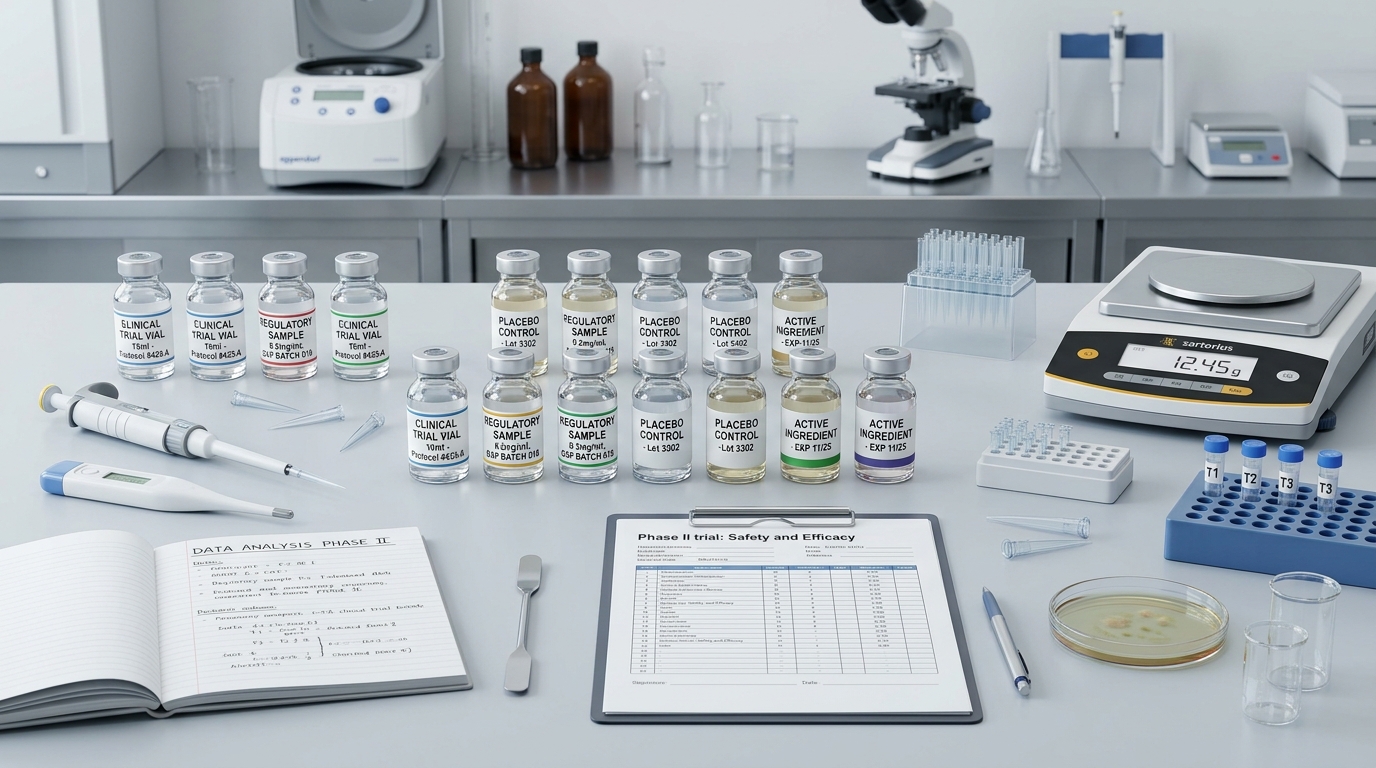
Wondering if steroids are illegal in Indiana? Navigating the complexities of state and federal drug laws can be daunting. In Indiana, anabolic steroids are heavily regulated under state law and are classified as Schedule III controlled substances. Whether you’re an athlete, bodybuilder, or just seeking clarity on TRT (Testosterone Replacement Therapy) regulations, this comprehensive guide explains Indiana’s steroid laws, potential penalties, and legal exceptions.
Executive Summary: Indiana Steroid Laws
Under Indiana law, the possession, distribution, and manufacturing of anabolic steroids without proper medical authorization is strictly prohibited. State regulations mirror the federal classification system, placing performance-enhancing hormones firmly within the Schedule III category. Lawful use is entirely contingent upon holding a valid prescription issued by a licensed healthcare provider for a recognized medical condition, such as hypogonadism or specific endocrine disorders. Engaging in the acquisition or use of these substances strictly for muscle building, athletic enhancement, or anti-aging without clinical justification subjects individuals to significant criminal liability.
The legislative framework governing pharmacological substances in the United States requires close examination at both the federal and state levels. In Indiana, the intersection of these jurisdictions creates a robust legal mechanism designed to control the distribution and utilization of synthetic derivatives of testosterone. This clinical and legal analysis aims to delineate the precise boundaries of legal steroids in Indiana, scrutinizing the statutes that differentiate between lawful medical intervention and illicit drug offenses.
Legal Status of Anabolic Steroids in Indiana
Understanding the legal status of performance-enhancing drugs requires a thorough examination of how the State of Indiana categorizes controlled substances. The legal framework relies on a tiered scheduling system that assesses a drug’s accepted medical use, safety profile, and potential for abuse or dependence. Anabolic-androgenic steroids (AAS) have been subjected to intense legislative scrutiny over the past three decades due to their profound physiological effects and the prevalence of their misuse outside of clinical environments.
Schedule III Controlled Substance Classification
Under the Indiana Code, specifically within the controlled substances statutes (IC 35-48), anabolic steroids are definitively classified as Schedule III controlled substances. This classification indicates that the state recognizes these compounds have a currently accepted medical use in treatment in the United States, but also possess a potential for abuse less than the drugs or other substances in Schedules I and II. Furthermore, abuse of Schedule III substances may lead to moderate or low physical dependence or high psychological dependence.
The explicit categorization as Schedule III controlled substances aligns with the pharmacological consensus that while these hormones are critical for treating specific medical anomalies—such as delayed puberty, muscle-wasting diseases, and severe burn injuries—their unsupervised administration poses significant health risks. The definition of anabolic steroids under Indiana law broadly encompasses any drug or hormonal substance, chemically and pharmacologically related to testosterone, that promotes muscle growth.
Because of this classification, the unauthorized possession, sale, or distribution of these compounds is prosecuted under the same statutory framework as other Schedule III substances, which include certain barbiturates, ketamine, and medications containing moderate quantities of narcotic compounds. The law makes no distinction between steroids acquired for recreational bodybuilding and those acquired for other non-medical purposes; the absence of clinical authorization is the primary vector for legal action.
State vs. Federal Steroid Laws
The alignment between Indiana state law and federal law is critical for understanding the full scope of potential legal exposure. At the federal level, the Anabolic Steroids Control Act of 1990 initially placed these substances into Schedule III of the Controlled Substances Act (CSA), a move that was subsequently reinforced and expanded by the Anabolic Steroid Control Act of 2004. The 2004 legislation notably broadened the definition of anabolic steroids to include numerous designer steroids and prohormones that had previously evaded regulation.
Indiana’s legislative body has largely adopted the federal definitions and scheduling criteria. This parity ensures that law enforcement agencies at both the state and federal levels have concurrent jurisdiction over steroid-related offenses. If an individual is found manufacturing or distributing anabolic steroids within the state, they could theoretically face prosecution from state authorities, federal authorities (such as the DEA), or both, depending on the scale and interstate nature of the operation. While federal agencies typically focus on large-scale clandestine laboratories and international smuggling operations, local and state police actively enforce possession and small-scale distribution laws under Indiana’s penal code.
Prescription Requirements and Lawful Use
The singular pathway to legally possessing and utilizing anabolic steroids in Indiana involves strict adherence to medical protocols. The state recognizes the vital therapeutic role that androgenic compounds play in modern medicine, provided their administration is carefully managed, monitored, and documented by licensed medical professionals.
Valid Medical Prescriptions (TRT)
To comply with Indiana law, an individual must possess a valid prescription issued by a practitioner licensed by the Indiana Board of Pharmacy and the Medical Licensing Board. A valid prescription necessitates a legitimate doctor-patient relationship, which traditionally includes a comprehensive physical examination, a documented medical history, and specific diagnostic testing.
One of the most prevalent legal applications of anabolic steroids today is Testosterone Replacement Therapy (TRT). TRT is clinically indicated for men suffering from hypogonadism—a condition characterized by the body’s inability to produce sufficient endogenous testosterone. Proper TRT protocols require detailed endocrinological evaluations, including comprehensive blood panels to measure total testosterone, free testosterone, luteinizing hormone (LH), follicle-stimulating hormone (FSH), and estradiol levels. When a physician diagnoses a clinical deficiency and prescribes testosterone (e.g., testosterone cypionate or enanthate), the patient is in full compliance with TRT laws in Indiana.
It is imperative that the prescribed medication is dispensed by a licensed pharmacy and maintained in its original, properly labeled container. The label serves as immediate proof of lawful possession, detailing the prescribing physician, the patient’s name, the specific compound, and the prescribed dosage regimen.
Off-Label and Prohibited Prescribing
While physicians possess considerable latitude to prescribe medications “off-label” for conditions not explicitly approved by the FDA, this discretion is tightly constrained when it comes to Schedule III controlled substances like anabolic steroids. The medical community and regulatory boards enforce strict ethical and legal boundaries regarding the indication for androgen therapies.
In Indiana, prescribing anabolic steroids for the sole purpose of enhancing athletic performance, accelerating muscle hypertrophy in healthy individuals, or slowing the natural aging process without an underlying diagnosed endocrine pathology is explicitly prohibited. Practitioners found issuing prescriptions outside the bounds of accepted medical practice face severe administrative sanctions, including the revocation of their medical license, as well as potential criminal liability for drug trafficking or prescription fraud. Clinics that operate purely as “pill mills” or that dispense steroids without conducting necessary diagnostic blood work are routinely targeted by state regulatory agencies and federal law enforcement.

Penalties for Illegal Possession and Distribution
The state of Indiana treats drug offenses with significant severity, and violations involving anabolic steroids are no exception. The criminal justice system differentiates between simple possession for personal use and the more egregious offenses of manufacturing, financing, or dealing controlled substances. The penalties reflect the state’s intent to curb both the individual misuse of performance-enhancing drugs and the illicit market that supplies them.
Misdemeanor vs. Felony Charges
Under Indiana law, the baseline charge for the unauthorized possession of a Schedule III controlled substance, including anabolic steroids, is typically a Class A misdemeanor. A Class A misdemeanor is the most serious classification of misdemeanor in the state, carrying a potential penalty of up to one year in a local county jail and fines reaching up to $5,000.
However, the severity of the charge can escalate to a Level 6 felony under specific circumstances. For instance, if the individual has a prior conviction for a drug-related offense, or if the possession occurs in proximity to protected zones such as a school, public park, or family housing complex, the prosecution will often elevate the charge. A Level 6 felony in Indiana carries a sentencing range of six months to two and a half years in state prison, along with fines of up to $10,000. Therefore, a steroid possession penalty in IN can drastically alter an individual’s life trajectory even if there was no intent to distribute the substance.
Consequences for Dealing or Manufacturing
The legal landscape becomes markedly more perilous for individuals accused of dealing, distributing, or manufacturing anabolic steroids. Indiana statutes define “dealing” broadly; it encompasses not only the actual sale of the substance but also the possession of the drug with the intent to deliver or finance its delivery. Even sharing steroids with training partners without monetary exchange can meet the statutory definition of distribution.
Dealing a Schedule III controlled substance generally begins as a Level 6 felony but quickly escalates based on the aggregate weight of the substance involved. If the amount is between one and ten grams, or if it is measured in pill or vial form exceeding certain statutory thresholds, the charge can be elevated to a Level 5 or Level 4 felony. A Level 4 felony in Indiana is a highly serious offense, mandating a sentencing range of two to twelve years in prison. Furthermore, individuals involved in operating clandestine laboratories to synthesize raw steroid powders into injectable oils or oral tablets face severe manufacturing charges, which often invite multi-agency task force investigations.
Factors Influencing Sentencing
When a conviction is secured, judges in Indiana utilize advisory sentencing guidelines, but they retain discretion to consider aggravating and mitigating factors. Mitigating factors that might lead to a more lenient sentence (such as probation rather than incarceration) include a lack of prior criminal history, demonstrable remorse, stable employment, and compliance with court-ordered substance abuse evaluations.
Conversely, aggravating factors can push a sentence toward the maximum allowed by statute. These include previous felony convictions, the presence of firearms during the commission of the offense, distributing to minors, or evidence of a large-scale, organized distribution network. The courts carefully weigh these elements to determine a proportional response to the specific Indiana drug offenses committed.
Common Types of Regulated Anabolic Steroids
The legislative definition of anabolic steroids is expansive, designed to capture not only traditional pharmaceutical derivatives but also novel synthetic analogues engineered to bypass legal scrutiny. Understanding which specific compounds fall under the Schedule III umbrella is vital for grasping the scope of performance-enhancing drugs laws in Indiana.
Testosterone and Derivatives
The foundational molecule of all anabolic-androgenic steroids is testosterone. In its various esterified forms—such as testosterone cypionate, propionate, enanthate, and undecanoate—it is heavily regulated. Beyond base testosterone, the law explicitly lists dozens of synthetic derivatives that have been modified to alter their anabolic-to-androgenic ratio, half-life, or route of administration.
Commonly regulated pharmaceutical and veterinary derivatives include:
- Nandrolone (Deca-Durabolin): A highly anabolic compound historically used to treat anemia and muscle-wasting syndromes.
- Stanozolol (Winstrol): An oral and injectable derivative of dihydrotestosterone (DHT) known for promoting lean tissue growth.
- Methandrostenolone (Dianabol): One of the oldest and most recognizable oral steroids, strictly regulated due to its potent physiological effects.
- Trenbolone: A powerful veterinary implant hormone that is frequently synthesized in illicit laboratories for human use.
- Oxandrolone (Anavar): A mild oral steroid still used clinically in pediatrics and burn recovery, but heavily controlled due to its popularity in fitness circles.
Designer Steroids and Prohormones
In the late 1990s and early 2000s, the dietary supplement market was flooded with “prohormones”—compounds that were not explicitly listed in the original Controlled Substances Act but would convert into active anabolic steroids upon enzymatic metabolization in the liver (e.g., Androstenedione). Furthermore, “designer steroids” were synthesized to provide steroidal effects while remaining chemically distinct enough to evade current drug tests and legal definitions.
To close this loophole, federal and state lawmakers enacted the Designer Anabolic Steroid Control Act (DASCA) of 2014, which fundamentally shifted how these compounds are categorized. Under current Indiana law, any substance structurally or pharmacologically related to testosterone that promotes muscle growth is presumed to be a Schedule III substance, regardless of whether it is explicitly named in the statute. This broad language ensures that underground laboratories cannot simply tweak a molecule’s structure to circumvent the law. Consequently, over-the-counter prohormones that were once legally sold in nutrition stores are now firmly classified as illegal controlled substances.
| Steroid Type / Classification | Common Clinical Use (If Any) | Legal Status in Indiana (Without Prescription) |
|---|---|---|
| Testosterone Esters (Cypionate, Enanthate) | Hypogonadism, TRT, Delayed Puberty | Illegal – Schedule III Felony/Misdemeanor |
| 17-Alpha-Alkylated Orals (Dianabol, Anavar) | Muscle wasting, severe burns, osteoporosis | Illegal – Schedule III Felony/Misdemeanor |
| Veterinary Compounds (Trenbolone, Equipoise) | Livestock weight promotion | Illegal – Schedule III Felony/Misdemeanor |
| Designer Steroids & Prohormones | None (Historically sold as supplements) | Illegal – Banned under DASCA and state law |
Legal Defenses for Steroid Charges in Indiana
When an individual faces criminal prosecution for steroid-related offenses, navigating the judicial system requires a rigorous, evidence-based legal strategy. Criminal defense attorneys handling these specific cases evaluate the circumstances surrounding the arrest, the handling of the physical evidence, and the statutory definitions of the substances involved to formulate a robust defense.
Challenging Unlawful Search and Seizure
A primary mechanism for contesting a drug charge is examining the constitutional validity of how law enforcement discovered the substances. The Fourth Amendment protects citizens against unreasonable searches and seizures. If police officers found the anabolic steroids during a traffic stop, a home search, or through intercepted mail, the defense will scrutinize the probable cause that initiated the search. If a judge determines that law enforcement lacked appropriate warrants, exceeded the scope of a warrant, or conducted a search without valid consent or exigent circumstances, the evidence may be suppressed. Without the physical evidence of the steroids, the prosecution’s case often collapses, leading to a dismissal of the charges.
Proving Valid Medical Necessity
The most absolute affirmative defense to a charge of possessing a Schedule III controlled substance is demonstrating lawful authorization. If a defendant can produce a valid prescription issued by a licensed medical practitioner concurrent with the time of the arrest, the possession is deemed lawful. This defense requires presenting certified medical records, pharmacy dispensing logs, and potentially testimony from the prescribing physician to establish the legitimacy of the TRT or endocrinological treatment.
It is important to note that presenting an expired prescription, a prescription written for a different individual, or documents obtained from an unverified, overseas online pharmacy will not satisfy this legal burden and could potentially introduce secondary charges related to fraud.
The Impact of a Steroid Conviction
The ramifications of being convicted of a steroid-related offense extend far beyond the immediate fines and periods of incarceration. A drug conviction permanently alters an individual’s societal standing, creating collateral consequences that affect personal, professional, and athletic endeavors for decades.
Professional and Athletic Repercussions
For athletes participating in governed sports, a criminal conviction or even public acknowledgment of illicit steroid possession typically triggers immediate suspensions or lifetime bans from their respective sporting organizations. Governing bodies such as the NCAA, USADA, and various professional leagues maintain strict anti-doping regulations that function independently of the criminal justice system.
Professionally, a drug conviction can be devastating. Many employers, particularly in fields requiring state licensure—such as medicine, nursing, law, education, and law enforcement—will terminate employment or deny applications based on a Schedule III drug offense. Furthermore, individuals holding security clearances or commercial driver’s licenses (CDL) may find their credentials revoked permanently following a conviction.
Long-term Criminal Record Effects
Having a misdemeanor or felony on a permanent record creates pervasive obstacles in daily life. Landlords frequently conduct background checks, and a drug conviction can result in housing application denials. Additionally, federally backed financial aid for higher education can be suspended or revoked for students convicted of drug offenses while receiving aid.
While Indiana law does offer mechanisms for criminal record expungement under specific conditions, this process is complex, time-consuming, and heavily dependent on the severity of the original charge and the individual’s behavior subsequent to the conviction. Navigating the aftermath of a steroid conviction demands continuous legal and professional rehabilitation.
Frequently Asked Questions
Is it illegal to buy steroids online in Indiana?
Yes. Purchasing anabolic steroids online without a valid prescription from a licensed healthcare provider is illegal in Indiana. If the steroids are shipped across state lines or internationally, it constitutes a federal offense (interstate commerce of controlled substances or smuggling) in addition to state possession charges.
Can I get a felony for steroid possession in Indiana?
While basic possession of anabolic steroids is typically charged as a Class A misdemeanor, it can be elevated to a Level 6 felony. This escalation usually occurs if the individual has prior drug convictions, is found in possession within a protected zone (like a school or park), or if the quantity and packaging suggest an intent to distribute.
Are prohormones legal in Indiana?
No. Under both the federal Designer Anabolic Steroid Control Act (DASCA) and aligning Indiana state laws, most prohormones and designer steroids have been reclassified as Schedule III controlled substances. They are treated with the exact same legal severity as traditional injectable or oral steroids.
Does Indiana allow testosterone replacement therapy (TRT)?
Yes. TRT is entirely legal in Indiana provided it is prescribed by a licensed medical practitioner for a legitimate medical condition (such as diagnosed hypogonadism) following appropriate blood work and physical examinations. The medication must be dispensed by a legitimate pharmacy.
What should I do if I am caught with steroids in Indiana?
If you are detained or investigated for steroid possession, it is highly advised to exercise your right to remain silent and refuse consent to searches without a warrant. You should immediately seek the counsel of a qualified criminal defense attorney who specializes in drug offenses to protect your rights and examine the evidentiary procedures used by law enforcement.
Get our latest guides, news, and insights highlighted in your Google Search & AI Overviews.